- The Department of Homeland Security spent 1.5 billion dollars to acquire two massive California detention centers.
- The purchase aims to bypass state sanctuary policies by moving private facilities under direct federal ownership.
- CoreCivic will continue managing both facilities despite the government now owning the underlying properties and land.
(CALIFORNIA) — The Department of Homeland Security bought the Otay Mesa Detention Center in San Diego County and the California City Detention Facility in Kern County from CoreCivic for a total of $1.5 billion, a purchase the agency said will expand ICE detention capacity for President Donald Trump’s deportation agenda.
The sale closed on July 2, 2026. DHS paid $739.2 million for the 1,994-bed Otay Mesa facility and $732.6 million for the newly opened 2,560-bed California City facility, which is now California’s largest migrant detention center.
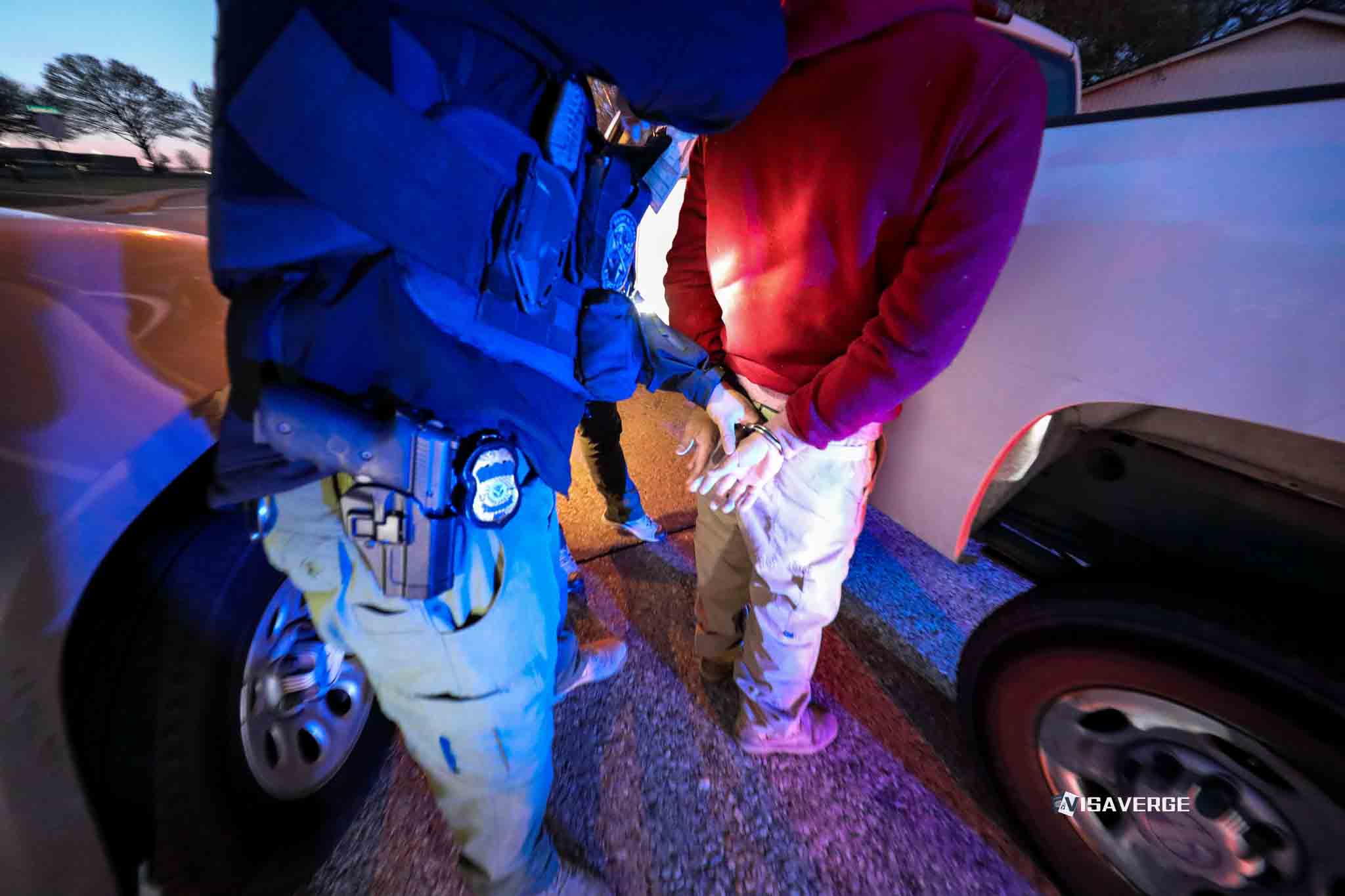
DHS said the purchase was funded by President Donald Trump’s “One Big Beautiful Bill” (H.R. 1), signed in summer 2025, which allocated $45 billion for expanding detention capacity through fiscal year 2029. “This purchase was made possible by President Trump’s One Big Beautiful Bill that allowed ICE to expand detention space to fulfill the President’s promise of mass deportations,” a DHS spokesperson said.
Federal ownership, the agency said, solves a problem ICE faces in California that it does not face in states such as Florida and Oklahoma. DHS said ICE cannot rely on local state or county partners for detention space in California because of the state’s sanctuary policies, which the agency said attempt to block immigration officials from using private prisons.
The spokesperson described the two sites as central to detention operations in the region. “Now, with federal ownership of these detention centers, which are crucial to ICE’s detention network on the west coast, ICE retains the detention capacity needed to arrest, detain, and remove illegal aliens,” the spokesperson said.
The transaction gives the federal government title to two large California detention centers while leaving daily operations in private hands. CoreCivic will continue managing both facilities under existing contracts with ICE, even after the ownership transfer.
Those contract terms already have different timelines. The California City contract expires in August 2027, while the Otay Mesa contract runs through December 2029 and includes a five-year extension option.
CoreCivic said it expects net proceeds of approximately $1.1 billion after taxes and transaction expenses. The company said it plans to use the money for debt reduction and to retire $238.5 million in senior notes due in 2027.
DHS cast the acquisitions as part of a broader restructuring of ICE detention. An unsigned ICE memo described an “ICE Detention Reengineering Initiative”, also called the “new model,” that aims to reduce the number of contracted facilities while increasing total bed capacity, enhancing custody management and speeding removal operations.
The memo set out the administration’s rationale in blunt terms. “This new model will allow ICE to create an efficient detention network by reducing the total number of contracted detention facilities in use while increasing total bed capacity, enhancing custody management, and streamlining removal operations,” the memo said.
That push has already reshaped detention capacity in California. Eight ICE detention facilities now operate in the state with a combined capacity of nearly 9,000 people, up from six facilities under former President Joe Biden.
The two California purchases also fit inside a far larger funding drive. The acquisition forms part of an ongoing $38.3 billion effort to build infrastructure for Trump’s deportation campaign, and the $1.5 billion price tag amounts to roughly 50% more spending than DHS’s earlier $1 billion purchase of 11 warehouses across the country in early 2026.
Officials in at least five states were caught off guard by the detention-center deals and learned of them only after they closed. The surprise extended beyond California, where the administration’s move places two of the state’s largest immigration detention sites under direct federal ownership rather than private ownership operating under contract.
Critics said that ownership change matters because it shifts the legal and political terrain around the facilities. They argued the administration can sidestep state and local oversight by moving the properties under federal control while preserving private management through ICE contracts.
In practical terms, the arrangement gives DHS permanent access to thousands of detention beds in a state where it says local partnerships are unreliable. Otay Mesa alone adds nearly two thousand beds under federal ownership, and California City adds more than two and a half thousand more.
California City now stands out not only because of its size but because it is newly opened and immediately folded into a federal detention expansion plan. Otay Mesa, already an established part of the detention network in San Diego County, sits in a corridor that DHS described as crucial to west coast ICE operations.
CoreCivic’s role did not end with the sale. The company also disclosed it is in early-stage talks with ICE about selling additional detention facilities to the federal government, a sign that the California purchases may serve as a model for further transfers if the administration decides to expand federal ownership elsewhere.
That prospect would mark a shift in how ICE controls detention space. Instead of relying solely on a patchwork of local agreements and private contracts, DHS is using money appropriated through H.R. 1 to buy large sites outright while keeping private operators in place to run them.
The California deals show how that strategy works on the ground. DHS secured 1,994 beds at Otay Mesa and 2,560 beds at California City in one transaction, then kept the existing operating structure intact through CoreCivic while placing the underlying properties in federal hands.
The arrangement also gives the administration longer-term control over detention capacity on the west coast than a short-term contract alone would provide. California City’s current management agreement ends in August 2027, but federal ownership means the government holds the site itself; Otay Mesa’s operating contract extends through December 2029, with a five-year option already built in.
DHS framed that permanence as essential to deportation operations in California, where the agency says sanctuary policies restrict its ability to secure space through state and county partners. With the deals completed and the title transferred, the administration now controls two large detention properties that it says are needed to arrest, detain and remove migrants on the west coast.