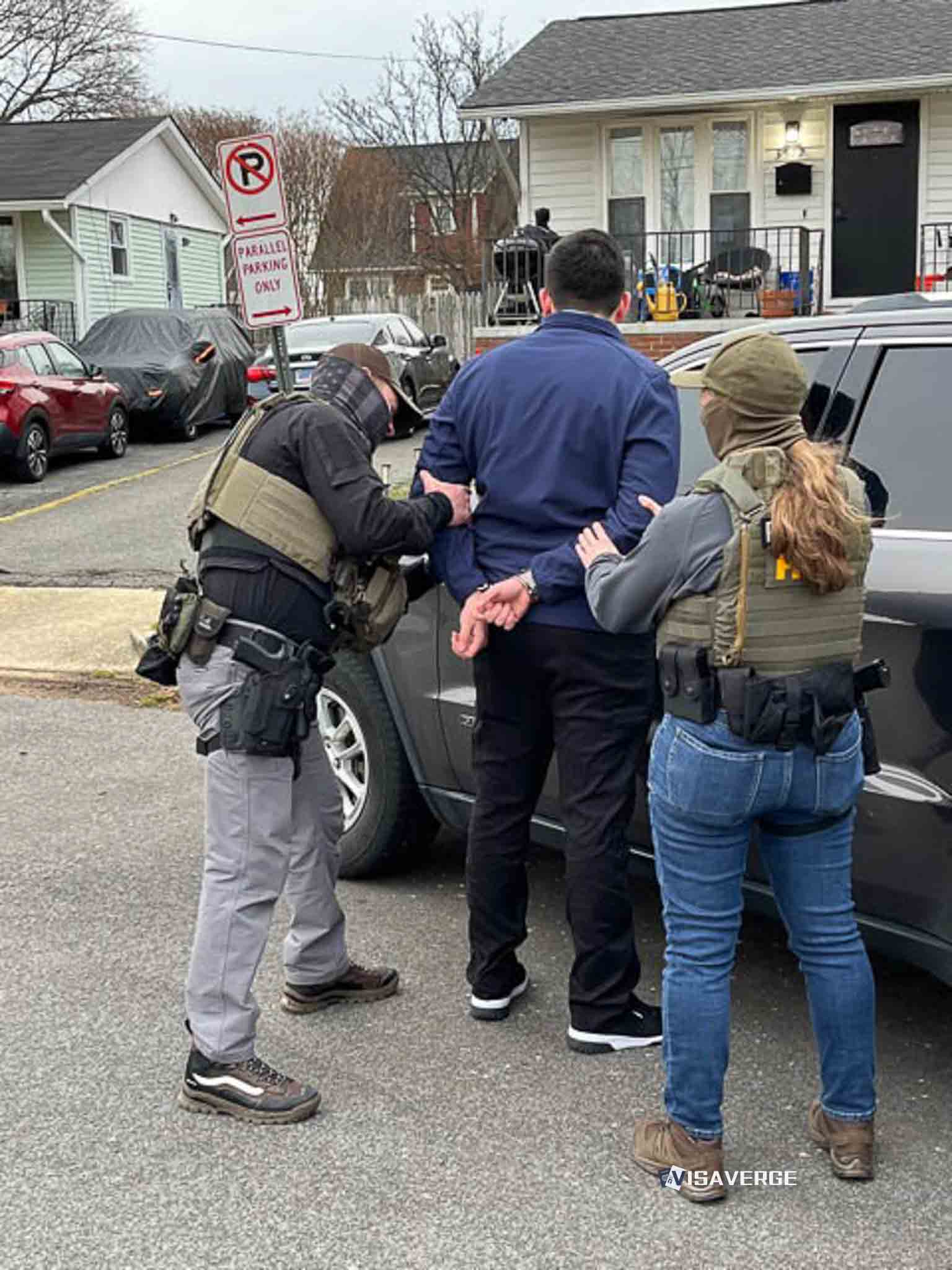
ICE has reversed course on its warehouse detention rollout and is now divesting seven of the 11 acquired warehouses it had targeted for conversion, including the Oakwood, Georgia site. The move marks a sharp pullback from the agency’s earlier plan to turn the Oakwood warehouse into a regional processing facility with 1,400–1,600 beds.
- DHS previously identified the Oakwood, Georgia warehouse in February 2026 for conversion, but Oakwood City Manager stated in late June 2026 that he was in discussions to confirm reports the warehouse is being sold.
- ICE is now selling or donating seven of the 11 warehouses it acquired, scaling back the detention reengineering plan that once aimed to replace contracted jail space with 34 ICE-owned facilities by September 30, 2026.
- The agency had already spent more than $700 million to purchase 9 of 24 intended warehouses, with $1.074 billion tied to the 11 sites now being divested.
- Other warehouses named in the divestment plan include Romulus, Michigan, Salt Lake City, Utah, and Social Circle, Georgia.
(OAKWOOD, GEORGIA) — ICE finalized the purchase of a warehouse in Oakwood, Hall County, Georgia, setting in motion plans to convert the property into an immigration detention center for North Georgia.
The Department of Homeland Security completed the transaction through a warranty deed filed with county authorities, with the seller linked to a Washington, D.C.-based private equity firm.
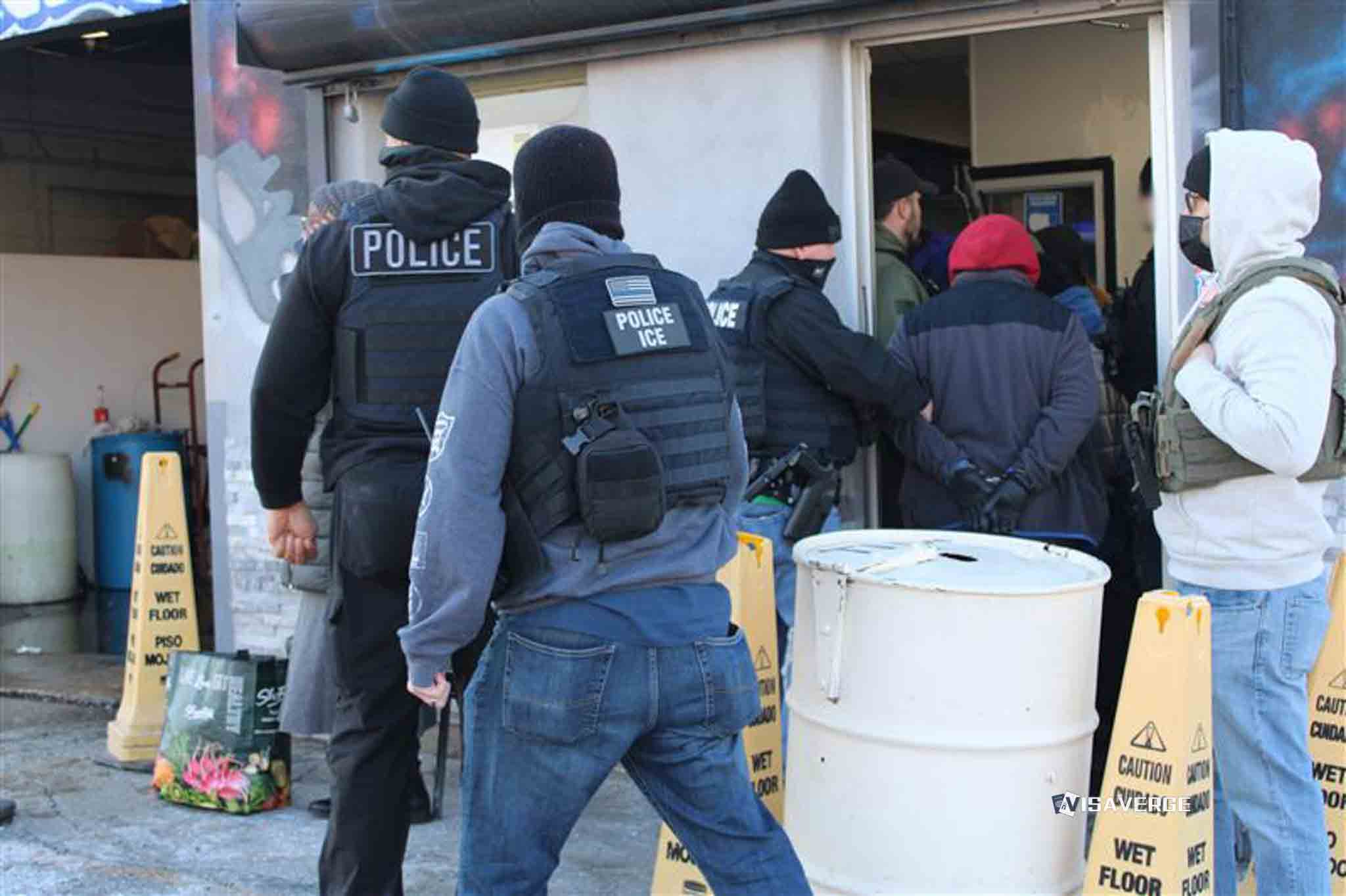
ICE has not opened the detention center yet. The agency still must complete the conversion and build-out of the Oakwood warehouse and secure the operational approvals required to run the site as a detention facility.
The purchase price, described as just over $68 million, marks a rare shift toward a government-owned footprint in a region where immigration enforcement has often depended on contracted detention space.
Leaked ICE planning documents and a congressional briefing described a facility designed for high throughput, with thousands of people expected to cycle through over time rather than remain for long periods.
Leaked planning documents indicate capacity for up to 1,500 detainees. U.S. Representative Andrew S. Clyde (R-GA) confirmed a projected bed capacity of 1,400-1,600 beds after a February 2026 briefing from ICE.
Planners also projected an average stay of 3-7 days, a range that suggests a rapid processing or transfer model rather than long-stay detention. A short detention window can increase turnover even when the bed count stays fixed.
The funding picture laid out in planning figures separates the transaction from the cost of making the Oakwood warehouse operable as a detention center, including security and life-safety upgrades, and the cost of operating the facility once it opens.
Retrofitting and operational costs total $158 million for upgrades and $160 million for the first three years of operation. Those categories typically include security systems, medical space, utilities work, dorm-style housing build-out, food service capacity, transportation, and ongoing maintenance.
Planning documents and briefing materials tie those numbers to a near-term investment that reaches well beyond the acquisition itself. The timing of appropriations tied to those projections was not described.
Local economic impacts outlined for Hall County include jobs during construction and retrofitting, followed by a smaller but steady employment base once the detention center begins operating.
Project documents estimate the conversion phase supports 1,520 jobs, figures that usually include general contractors, electricians, plumbers, HVAC crews, security installers, and other building trades. Local vendors can also see indirect demand through supplies, transport, and service contracts.
During operations, planning estimates point to 429 jobs annually, with roles likely spanning detention officers, administrative support, healthcare staff, food service, transportation, and facility maintenance. Those projections can change if the final operating model shifts.
The Oakwood detention plan also sits inside a policy direction described as a broader DHS and ICE initiative under the One Big Beautiful Bill Act, signed by President Trump in July 2025.
That effort aims at reducing contracted facilities while expanding bed capacity, enhancing custody management, and streamlining removals. Moving from contracted sites to a government-run facility can alter how detention standards are implemented and how oversight and staffing are structured.
ICE also described steps it took before closing on the Oakwood warehouse purchase. The agency conducted due diligence including site inspections, utility analysis, and mechanical/electrical testing before purchase.
DHS said the new model incorporates all existing detention standards to maximize efficiency, minimize costs, shorten processing times, and ensure safety, dignity, and respect for those in custody. Converting a warehouse into detention space typically requires extensive code compliance work and operational readiness planning before detainees arrive.
Political response in North Georgia has focused on coordination and enforcement priorities. Rep. Andrew S. Clyde’s office said it notified Oakwood officials after the February 2026 briefing and pledged ongoing coordination with local and federal partners.
Clyde’s office cited North Georgia cases like the murders of Laken Riley and Mimi Rodriguez-Ramirez as rationale for prioritizing detention of criminal noncitizens. The references have become part of the public argument for expanding ICE detention capacity in the region.
Next steps for the Oakwood warehouse include the conversion timeline, procurement and contracting for upgrades and services, and any local permitting or zoning decisions required as the facility moves from an industrial site to an operating detention center in Hall County.
ICE Buys Oakwood Warehouse for $68 Million to Detain Immigrants in Hall
ICE acquired a warehouse in Oakwood, Georgia, for $68 million to create a 1,600-bed detention center. The facility focuses on rapid processing with stays under a week. The project, costing over $300 million for upgrades and initial operations, aligns with federal efforts to expand government-owned detention space. Local officials cite public safety concerns as the primary rationale for the regional expansion.