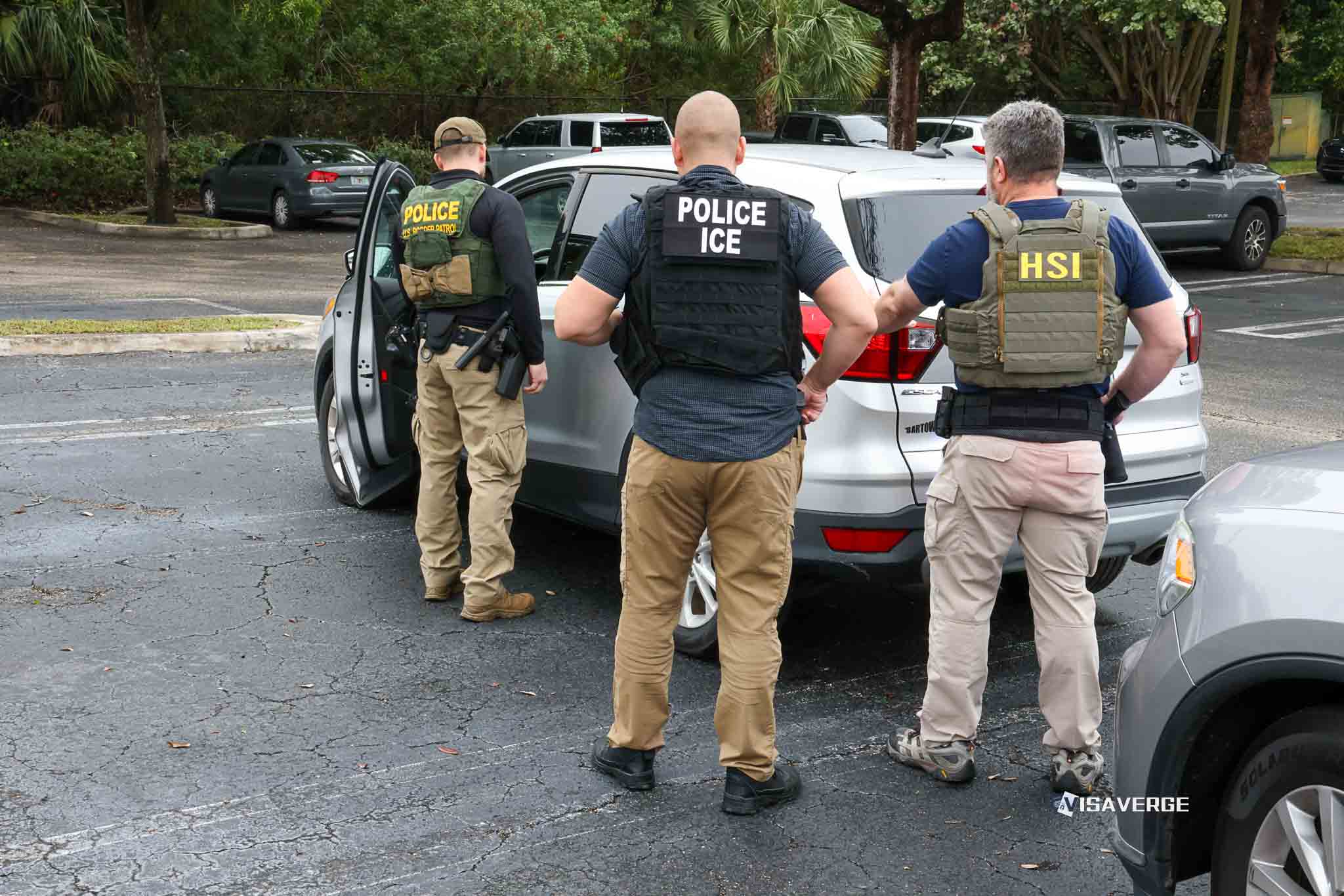
ICE has formally abandoned plans to convert two Pennsylvania warehouses into detention centers after withdrawing its appeal of state permit denials. The reversal was publicly confirmed by Senator John Fetterman on June 22, 2026, and the Department of Homeland Security said it is shifting to existing detention space instead of warehouse conversions.
- ICE filed paperwork on Wednesday withdrawing its appeal of permit denials for warehouses in Tremont Township, Schuylkill County, and Upper Bern Township, Berks County.
- Pennsylvania officials blocked the projects over drinking water and wastewater permit issues, saying local infrastructure could not support the thousands of detainees ICE planned to house.
- Senator John Fetterman said ICE would not move forward with detention facilities in the two townships and credited DHS leadership for recognizing the projects’ local economic and infrastructure impacts.
- DHS said it is now focused on using existing detention space with state and county partners rather than converting empty warehouses into detention sites.
- The Trump administration scrapped warehouse conversion plans for several large ICE detention centers across the United States.
- DHS Secretary Markwayne Mullin ordered the sale of seven sites purchased for over one billion dollars.
- The reversal follows seven federal lawsuits and intense local protests over environmental and infrastructure concerns.
(SOCIAL CIRCLE, GEORGIA) – The Trump administration scrapped plans to convert warehouses into large ICE detention centers. It reversed a signature initiative of former Homeland Security Secretary Kristi Noem after local protests, seven federal lawsuits and a leadership change at the Department of Homeland Security.
DHS Secretary Markwayne Mullin, who replaced Noem in March 2026, ordered the agency to sell or repurpose at least seven of the 11 warehouses. ICE purchased the sites for roughly $1.074 billion, abandoning a strategy that aimed to hold up to 10,000 detainees at single sites.
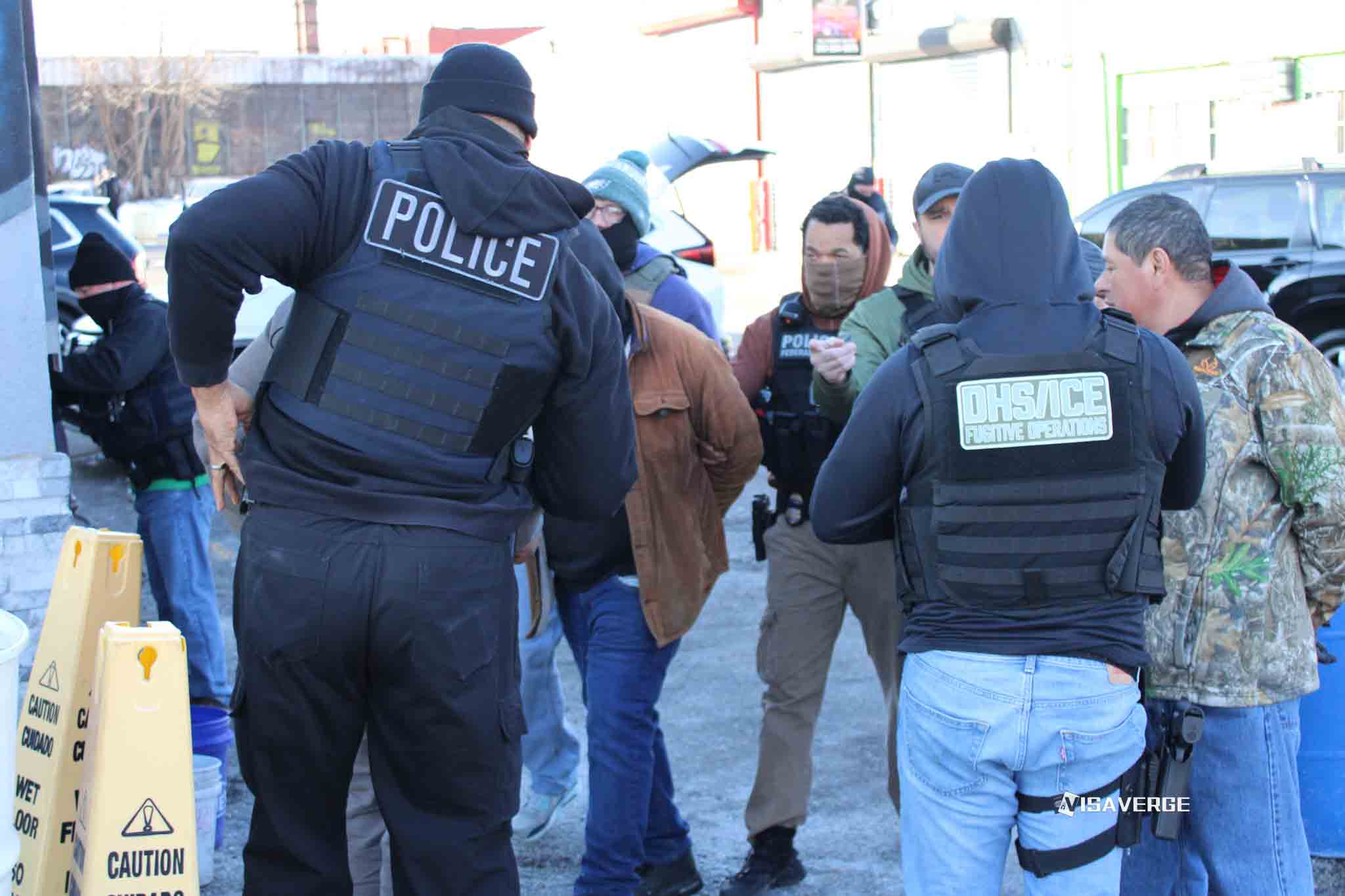
The reversal reaches places where the warehouse push drew sharp local resistance. These include Social Circle in Georgia, Roxbury in New Jersey, Romulus in Michigan, Hamburg and Tremont in Pennsylvania, and Salt Lake City in Utah.
In Texas, ICE changed course in Socorro. Three warehouses bought for $122 million will become an ICE campus with offices and training spaces instead of detention sites for 8,500 immigrants.
Noem’s $38 Billion Push Faces Opposition
Noem had made the warehouse conversion plan a central part of a $38 billion push to expand detention capacity. That effort ran into political opposition in communities across the country, including Republican areas in Georgia and Mississippi.
Residents raised concerns about protests, traffic, and pressure on local water and sewer systems. Mullin took over DHS in March and expressed skepticism about the warehouse strategy. He said he wanted ICE to be “out of the headlines” after months of backlash tied to the administration’s aggressive immigration enforcement.
New Direction for Detention Infrastructure
The administration now plans to move forward with only four warehouse sites in San Antonio and Socorro, Texas, Surprise, Arizona, and Hagerstown, Maryland. DHS is also pursuing existing detention facilities from private prison companies instead of trying to repurpose vacant industrial buildings around the country.
Social Circle had become one of the clearest examples of the scale of the plan. The government bought that warehouse for $128.5 million and considered it for a potential 10,000-person “mega center.”
In New Jersey, ICE spent $130 million on the Roxbury warehouse. In Pennsylvania, the agency paid $206.9 million for two sites in Hamburg and Tremont.
U.S. Senator John Fetterman, a Pennsylvania Democrat, said on June 22 that ICE had canceled plans for the two warehouses in his state. “I am pleased to confirm that ICE will not proceed with detention facilities in Tremont and Upper Bern Township,” Fetterman said.
Legal Challenges and Financial Scrutiny
DHS also filed to sell the Romulus, Michigan, warehouse in a June 22 court filing. In Maryland, a judge blocked ICE from taking action at a $100 million warehouse. The agency agreed in court to halt work in New Jersey and Michigan pending environmental tests.
The court fights followed claims in seven federal lawsuits that ICE had failed to conduct appropriate environmental assessments before moving ahead. Those challenges, combined with the protests, turned what had been pitched as a rapid detention expansion into a drawn-out legal and political fight.
An internal review added financial pressure. It found DHS had paid twice the tax-assessed value for the New Jersey warehouse and nearly five times the assessed value for the Social Circle property.
Former ICE official TricklercN, who served under Obama, Trump, and Biden, called the initiative “wildly foolhardy.”
The phrase captured criticism that followed the spending. Lawmakers and local officials questioned why the agency was paying so far above assessed values for sites now being discarded or reworked.
Shift Toward Existing Partnerships
DHS said it is “acting quickly to make use of existing detention facilities with our state and county partners” rather than repurposing vacant warehouses. That shift places more weight on arrangements with local governments and existing detention operators as the administration retools its deportation infrastructure.
Georgia’s two Democratic senators welcomed the move. Senator Jon Ossoff said, “This development clearly shows that public activism and dissent can lead to change.”
In Roxbury, Mayor Shawn Potillo said he welcomed the report that the detention plan had been dropped. He cautioned that federal officials had not yet formally confirmed the change in writing. His response reflected a pattern seen in several communities.
Residents and local leaders treated the apparent reversal as real but still waited for federal paperwork to match the public statements. The scrapped plans mark a broad departure from the detention buildout Noem championed.
Under Mullin, DHS has shifted away from turning empty warehouses into giant holding centers. The agency is now working with state and county partners. This narrower approach contrasts with the one that drove ICE to buy 11 warehouses for roughly $1.074 billion.