- An Air Canada Express flight diverted to Boston on Wednesday after the captain became incapacitated.
- The first officer took sole control of the Bombardier DHC-8-400 to ensure a safe landing.
- None of the sixty-one passengers or remaining crew members reported injuries during the emergency event.
(BOSTON, MASSACHUSETTS) — An Air Canada Express flight with 61 passengers aboard diverted to Boston’s Logan Airport on Wednesday after the captain experienced a medical issue that required removal from the cockpit midair.
Flight AC7664, operated by a Bombardier DHC-8-400 Dash 8 turboprop, was en route from Newark to Halifax when the incident occurred on June 24, 2026. The first officer assumed sole control of the aircraft and landed safely at Logan Airport without further complication.
Free toolCanada Express Entry Points Calculator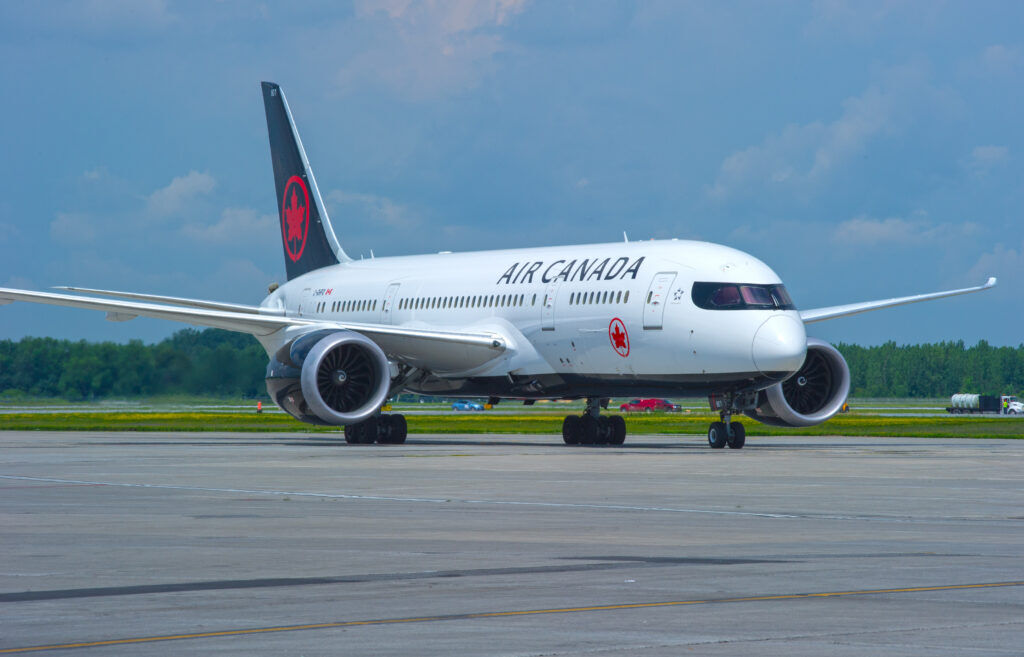
Air Canada confirmed the captain was removed from the flight deck “in accordance with safety protocols.” The airline declined to disclose the nature of the medical issue or the captain’s current condition. The Aviation Safety Network subsequently logged the event as an emergency diversion.
None of the passengers or remaining crew members were injured. Air Canada arranged alternative transportation for travelers to complete their journey to Halifax. The airline has not specified how long the delay lasted or whether passengers reached their destination the same evening.
Aircraft and Route Background
The Dash 8-400, marketed by manufacturer De Havilland Canada as the Q400, is a twin-engine turboprop widely used on regional routes across Canada and the northeastern United States. Air Canada Express deploys the type on shorter sectors like the Newark-to-Halifax corridor, where jet service would be less economical for the carrier. The aircraft typically seats up to 78 passengers and is recognized for its short-field performance and fuel efficiency on routes under 500 nautical miles.
Regulatory and Safety Protocols
Federal aviation regulations in both Canada and the United States require a minimum of two qualified pilots on the flight deck during commercial operations. First officers hold full type ratings on the aircraft they operate and are certified to fly commercially without the captain present. The protocol for removing an incapacitated pilot from the cockpit is a trained procedure designed to give the remaining crew member unobstructed access to all flight controls, instruments, and emergency equipment.
Wednesday’s diversion followed that protocol as designed. The first officer coordinated with air traffic control to route the aircraft to Boston Logan, the nearest major airport along the flight path with suitable runway infrastructure and medical facilities nearby.
Crew medical emergencies that force diversions are uncommon in commercial aviation. When they occur, the remaining pilot generally selects the closest suitable airport rather than pressing on to the planned destination. This approach prioritizes both medical care for the incapacitated crew member and the safest possible completion of the flight.
| Flight Detail | Information |
|---|---|
| Flight Number | AC7664 |
| Operator | Air Canada Express |
| Aircraft | Bombardier DHC-8-400 Dash 8 |
| Scheduled Route | Newark (EWR) → Halifax (YHZ) |
| Diversion Airport | Boston Logan (BOS) |
| Passengers | 61 |
| Incident Date | June 24, 2026 |
Operational Aftermath and Passenger Impact
Air Canada has not indicated whether the diversion will disrupt other scheduled Dash 8-400 operations on the Newark-Halifax route. When an aircraft ends up at a non-scheduled airport, crew scheduling adjustments can create minor ripple effects across a regional network. Travelers booked on Air Canada Express regional flights in the northeastern corridor this week should monitor flight status updates through the Air Canada app or website.
Passengers on the diverted flight who experienced a significant delay may have recourse under Canada’s Air Passenger Protection Regulations. The rules require airlines to provide food, accommodations, and rebooking at no cost when a diversion occurs for reasons within the carrier’s control. Medical emergencies involving crew members, however, are typically classified as events outside the airline’s control, which limits the compensation passengers can claim.
Aeroplan members on the affected flight should still earn miles and status-qualifying segments based on their ticketed itinerary. Air Canada’s policy generally credits original routing in diversion cases, meaning passengers earn miles as if the flight had operated normally. Affected members should retain boarding passes and contact Air Canada customer service if credit does not post automatically within 14 days.
The Newark-Halifax route is one of several transborder regional corridors Air Canada Express operates in the northeastern United States. Travelers with flexibility in their schedules can consider alternative routing through Air Canada’s Toronto or Montreal hubs, which offer multiple daily departures to Halifax on both mainline and regional aircraft.
Air Canada has not released additional details about the captain’s condition. The incident remains under review by the airline’s safety team, and the aircraft involved was inspected after landing at Logan Airport as part of standard post-diversion procedures.
Travelers with upcoming Air Canada Express bookings through the northeastern corridor should check flight status before heading to the airport this week. Crew and aircraft repositioning following the diversion could affect regional schedules through the weekend.