


- Georgia recorded eighty-three immigrant children in state custody through March thirty-first, twenty twenty-six.
- The state’s child welfare agency faces an eighty-six million dollar shortfall amid rising placement costs.
- Immigration attorneys suggest the state’s reported figures grossly undercount the actual population in foster care.
Georgia recorded 83 immigrant children in state custody during the six months ending March 31, 2026, as an ICE crackdown pushed more families into crisis and added to the state’s foster-care burden.
The Georgia Department of Human Services counted the children from October 1, 2025, through March 31, 2026. The total was roughly 80% higher than the 46 children recorded during the same period a year earlier.

The children entered a system overseeing approximately 12,700 young people in foster care, group homes or institutions. They represented a small share of the overall population, but their cases often involve immigration proceedings, family separation and specialized behavioral or mental-health needs.
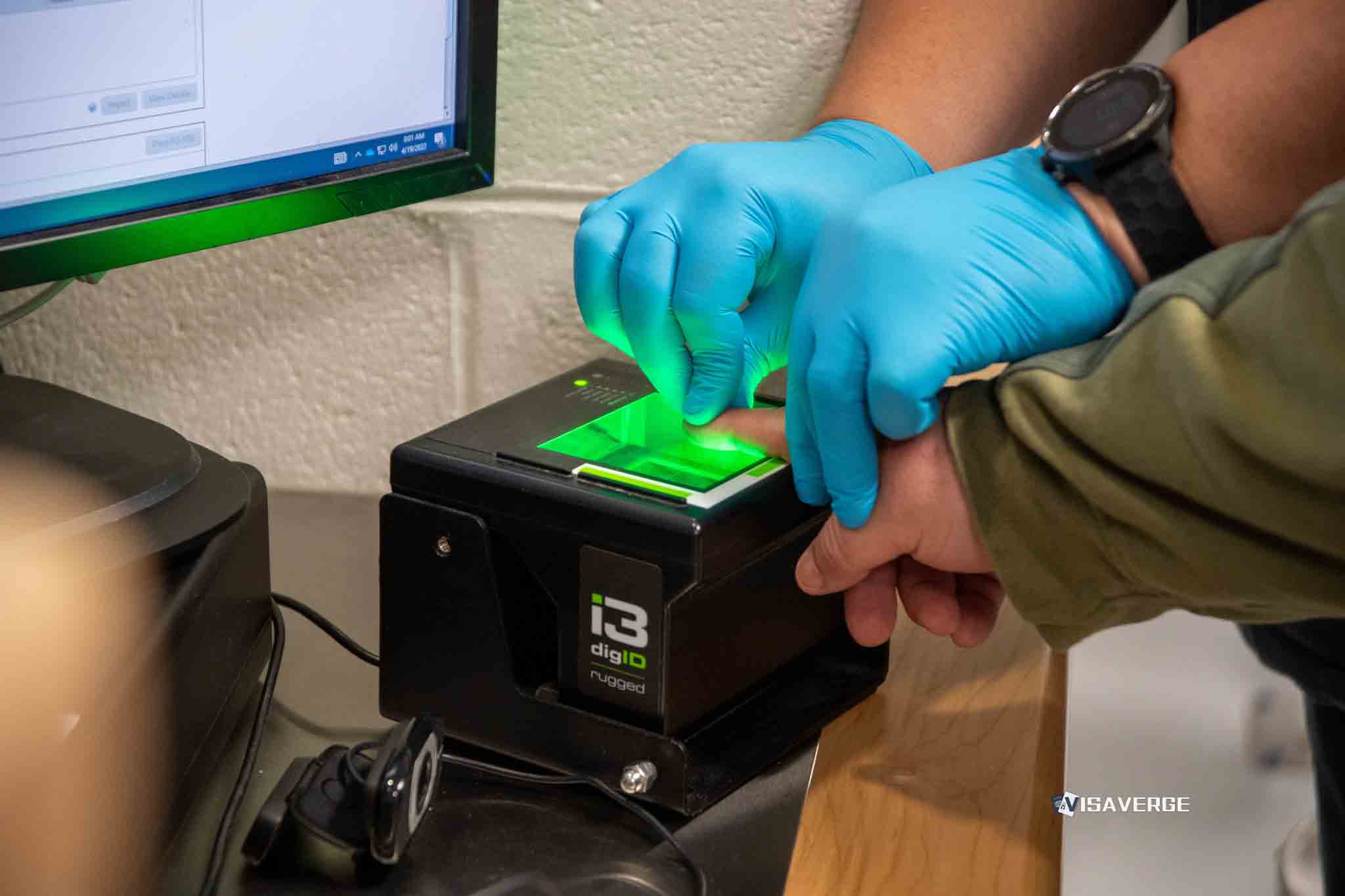
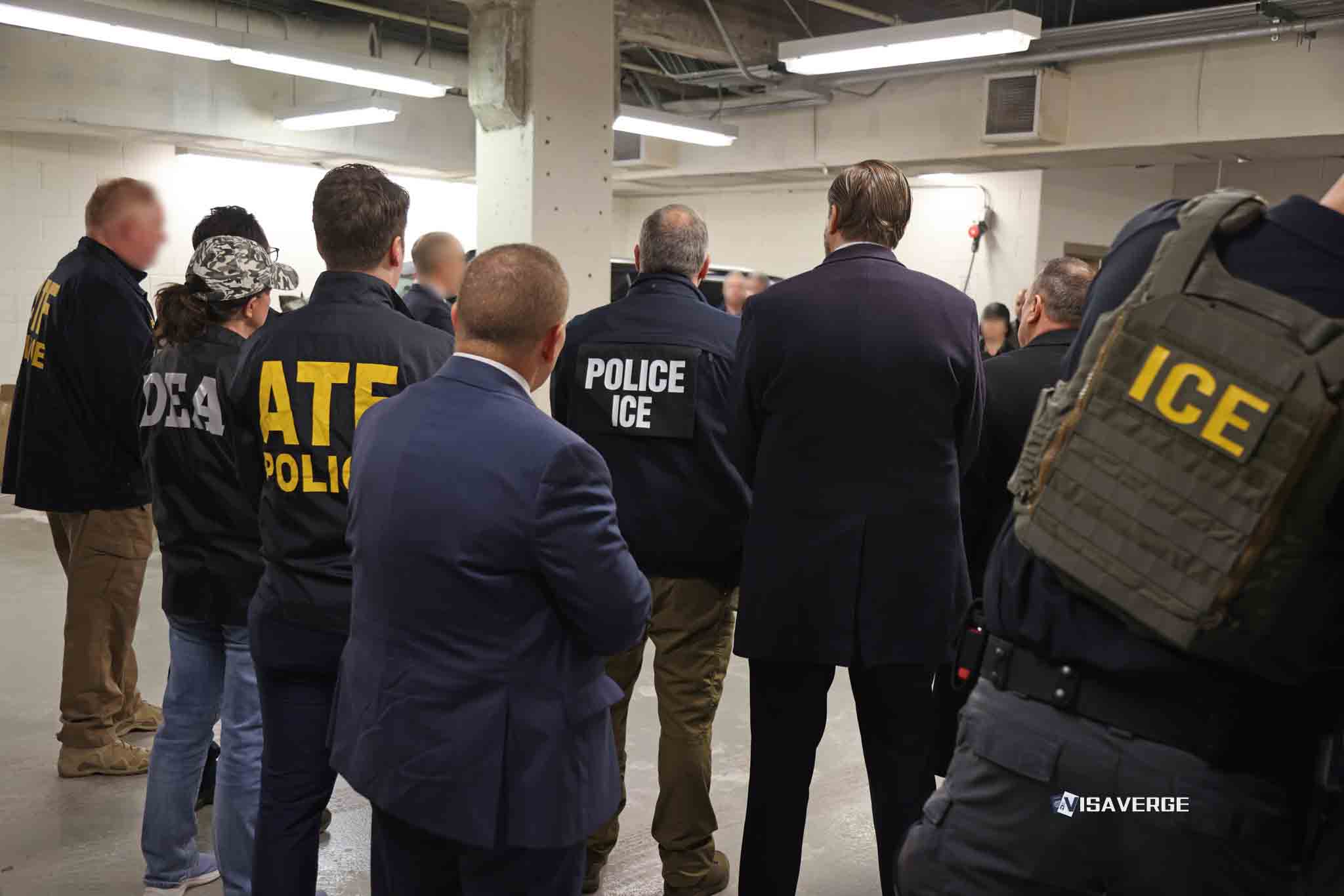
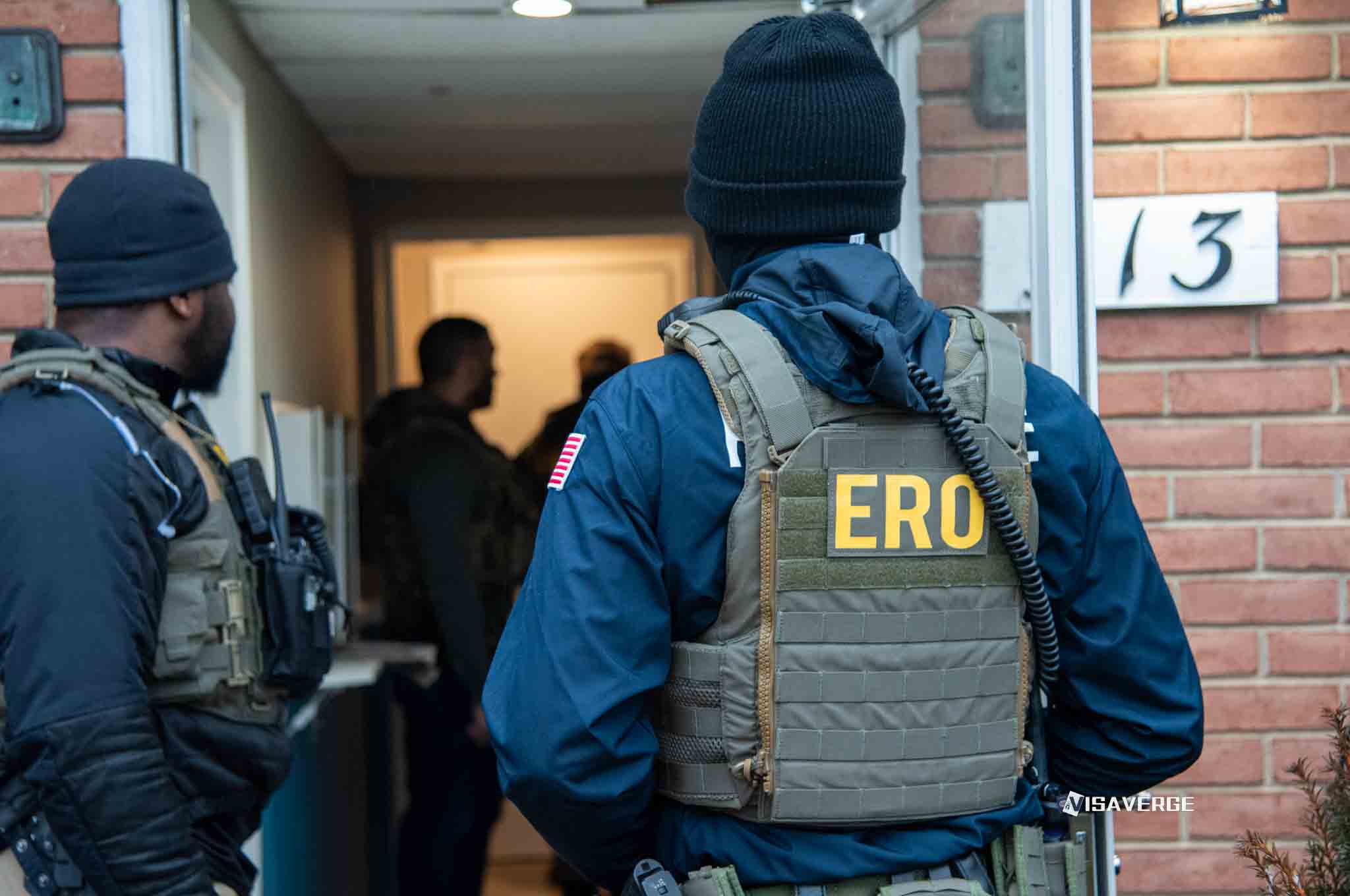
Georgia recorded 13,600 ICE arrests through March 10, 2026. The arrest total and the child-welfare count cover different periods.
Rebeca Salmon, an immigration attorney with Access to Law who specializes in juvenile cases, said the state’s number understates the scale of the problem.
“I 100% disagree with that 83 number. I know there’s at least 16 [immigrant children in foster care] in Hall County alone, and we have 159 counties. The state-provided data is grossly underinflated.”
Salmon’s Hall County figure represents nearly one-fifth of the statewide count on its own. Georgia has 159 counties.
Georgia’s child-welfare agency was already short millions of dollars
The Georgia Department of Human Services reported an $86 million budget shortfall in late 2025 and early 2026. Its Division of Family and Children Services eliminated or suspended multiple foster-care contracts as expenses rose.
The agency also described the deficit as $85.7 million. Officials attributed the gap to a 40-day federal government shutdown in late 2025, inflationary costs and an “unpredictable influx” of children with complex behavioral needs.
Candace Broce, commissioner of the Georgia Department of Human Services, described the pressure during testimony before a Georgia House appropriations subcommittee in December 2025.
“A colleague of mine recently described our lack of resources and support as fighting a forest fire with a squirt bottle. That is absolutely true. I’m doing what I can with what I have. I do not have alternatives.”
The financial strain arrived as counties and private providers faced cases involving parental detention, removal or prolonged absence. Those cases can require a placement, medical decisions, school support and legal representation at the same time.
Tom Rawlings, a former head of Georgia DFCS and former juvenile court judge, said the system needs services aimed at the effects of family separation.
“There needs to be services to address the trauma of the separation. We all have to recognize that while we generally consider immigration policy and enforcement to be a federal issue, it greatly impacts our ability to provide services to individuals at the state level.”
Family separation can disrupt care, schooling and daily stability
Many of the affected children are U.S. citizens living in mixed-status families. A child’s citizenship does not prevent a parent’s immigration case from affecting custody arrangements.
Sarah Mehta, deputy director for the ACLU’s Equality Division, said children may face two upheavals at once: separation from a parent and adjustment to an unfamiliar state system.
The consequences can reach the classroom. Research published in June 2026 linked increased immigration enforcement near schools with chronic absenteeism and “trauma-related avoidance” among immigrant youth.
Children without legal guardians may also have difficulty obtaining basic services, including medical care. Salmon said some parents are increasingly forced to make the “sacrifice” of leaving their children in the United States to preserve their future opportunities, even when the choice could produce permanent separation.
A U.S. Department of Homeland Security spokesperson rejected the characterization of the enforcement process as family separation in May 2026.
“ICE does not separate families. Parents are asked if they want to be removed with their children or ICE will place the children with a safe person the parent designates. This is consistent with past administrations' immigration enforcement.”
The policy described by the spokesperson gives parents two stated options: removal with their children or placement with a designated safe person. When a designated arrangement does not provide care, the state child-welfare system may become involved.
Federal enforcement expanded while Georgia faced a fiscal crisis
The increase in placements has been linked to the Trump administration’s mass deportation campaign and its rescission of Biden-era “protected area” guidance. That change allowed immigration agents to operate more freely near schools and hospitals.
Enforcement activity intensified as DFCS confronted its deficit and an influx of children with complex behavioral needs. Federal immigration decisions therefore created cases that state agencies had to manage with limited capacity.
On June 18, 2026, the federal government abandoned plans to convert warehouses in Oakwood and Social Circle into large ICE detention facilities. Local protests and opposition from officials, including Sen. Jon Ossoff, preceded the decision.
Ossoff has also continued investigations into Georgia’s foster system. In April 2026, he alleged that some children had been “trafficked while in the care of the state” because of systemic neglect and a lack of oversight.
The allegation adds another layer of scrutiny while DFCS manages placements, contracts and services across the state. It also places the state’s handling of children in custody alongside broader questions about immigration enforcement.
New financial accounts do not replace immediate placement services
Gov. Brian Kemp signed a measure on June 10, 2026, making Georgia foster children eligible for “Trump Accounts.” The tax-advantaged investment accounts include a $1,000 seed investment for children aging out of the system.
That benefit addresses a child’s financial position later in life. DFCS still must arrange immediate housing, supervision, schooling and care when children enter custody.
The state’s six-month count remains disputed. DHS reported 83 children, while Salmon pointed to at least 16 in Hall County and questioned whether the statewide figure captures children consistently across all 159 counties.
The data period ended March 31, 2026, while the arrest total ran through March 10. As of July 13, 2026, the two figures provide separate snapshots of enforcement and child-welfare pressure during the same period.
This article provides general information and is not legal advice. Consult a qualified immigration attorney about your specific case.





Put the children up for adoption if they are in fact legal citizen otherwise send them back to the country they came from.