- The Department of Homeland Security purchased a massive warehouse in Salt Lake City for $145.4 million.
- Local leaders are vowing to block the project citing safety, infrastructure, and land-use violations.
- The site could potentially house a 7,500-bed detention facility, exceeding Utah’s entire prison population.
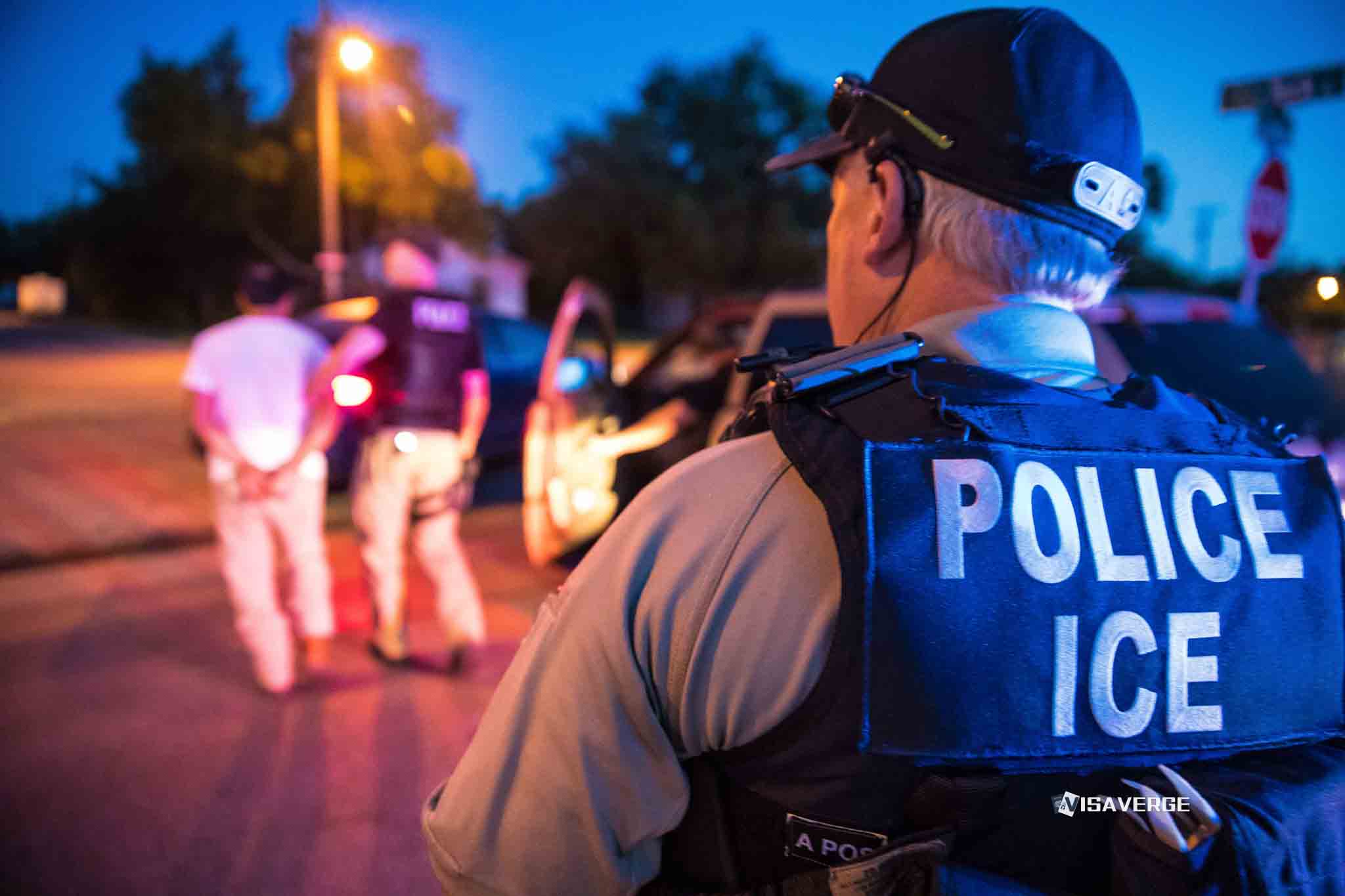
(SALT LAKE CITY, UTAH) — The U.S. Department of Homeland Security, through ICE, purchased an 833,000-square-foot warehouse at 6020 West 300 South in Salt Lake City for $145.4 million, raising concerns that a large immigrant detention center is planned near the airport.
The deed for the nearly 25-acre property was recorded on Wednesday, March 11, 2026, placing a major federal real-estate transaction at the center of a growing local and state political fight over land use, safety rules and the impact of a high-occupancy facility.
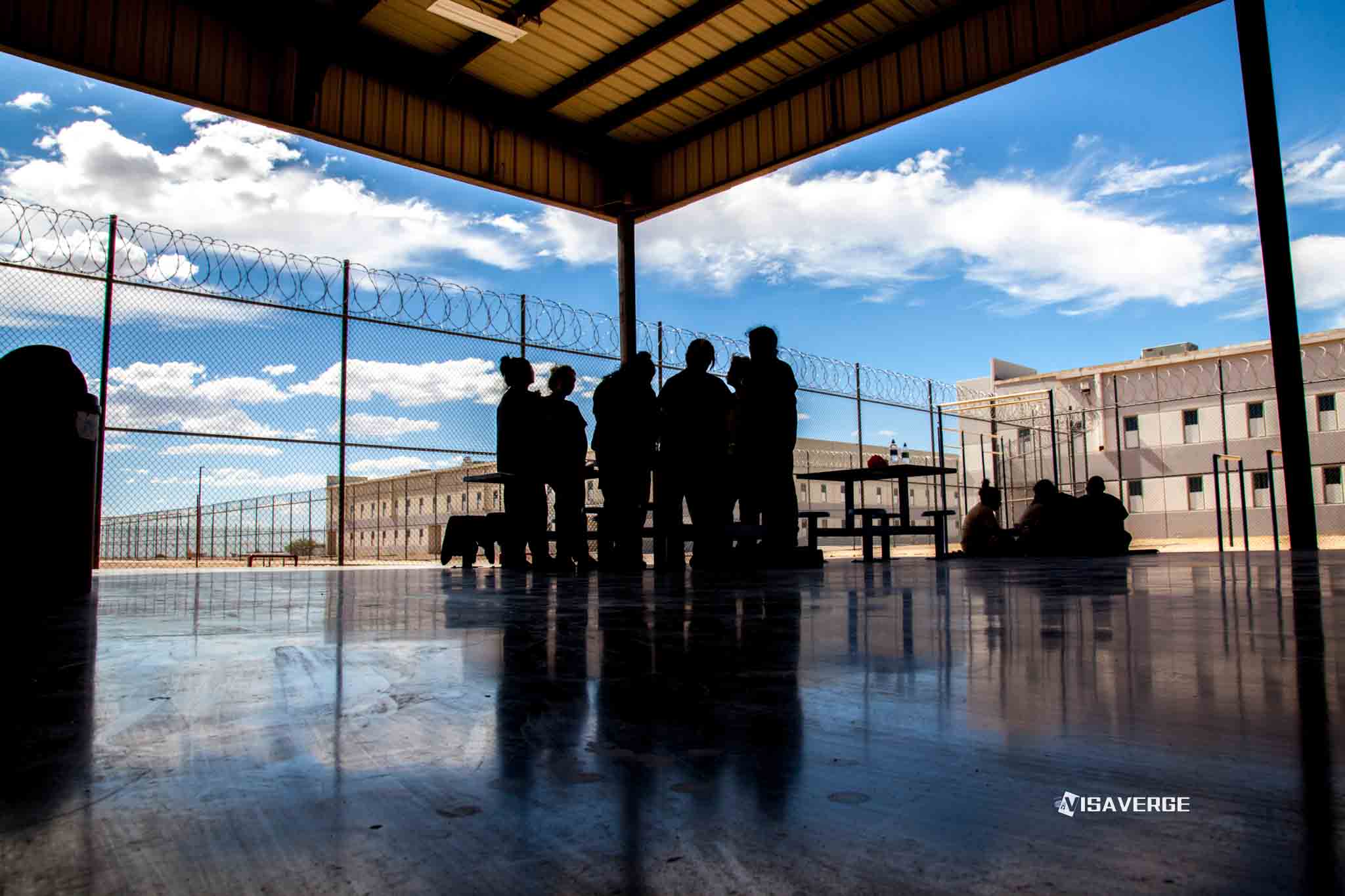
Salt Lake City Mayor Erin Mendenhall said the intended use violates city code for high-occupancy use because it lacks required bathrooms, utilities, exits, and infrastructure, and her office is evaluating the sale and plans.
Salt Lake County Mayor Jenny Wilson called it a “bleak day,” and said she will use land-use authority and regulatory review to block it, citing strain on resources and community fabric.
| India | China | ROW | |
|---|---|---|---|
| EB-1 | Feb 01, 2023 | Aug 01, 2023 ▲31d | Current |
| EB-2 | Nov 01, 2013 | Oct 01, 2021 | Apr 01, 2025 ▲90d |
| EB-3 | Jan 22, 2014 ▲21d | Jan 22, 2022 ▲14d | Jun 15, 2024 ▲31d |
| F-1 | Jan 22, 2021 ▲366d | Jan 22, 2021 ▲366d | Jan 22, 2021 ▲366d |
| F-2A | Oct 22, 2026 ▲30d | Oct 22, 2026 ▲30d | Oct 22, 2026 ▲30d |
DHS bought the warehouse near Salt Lake City International Airport in an industrial area where opponents say a large detention center could reshape the surrounding neighborhood and increase pressure on local public services.
The seller was RREEF CPIF 6020 W 300 S, LLC, a Delaware entity managed by DWS Group’s real estate arm. The transaction was previously misreported as involving Ritchie Group.
The property transferred directly to DHS, with ICE as the acquiring agency, a fact pattern that local officials and opponents cite as evidence the deal is complete even as key details about the site’s future use remain unannounced.
Reports have described the warehouse as potentially supporting a 7,500-bed facility, a scale that drew scrutiny because it would exceed Utah’s entire state prison population and outsize the current largest ICE site in El Paso, Texas.
Supporters and opponents have debated what that number would mean in practice, but local leaders have focused their public comments on the implications of adding a high-occupancy facility of that size inside Salt Lake City limits.
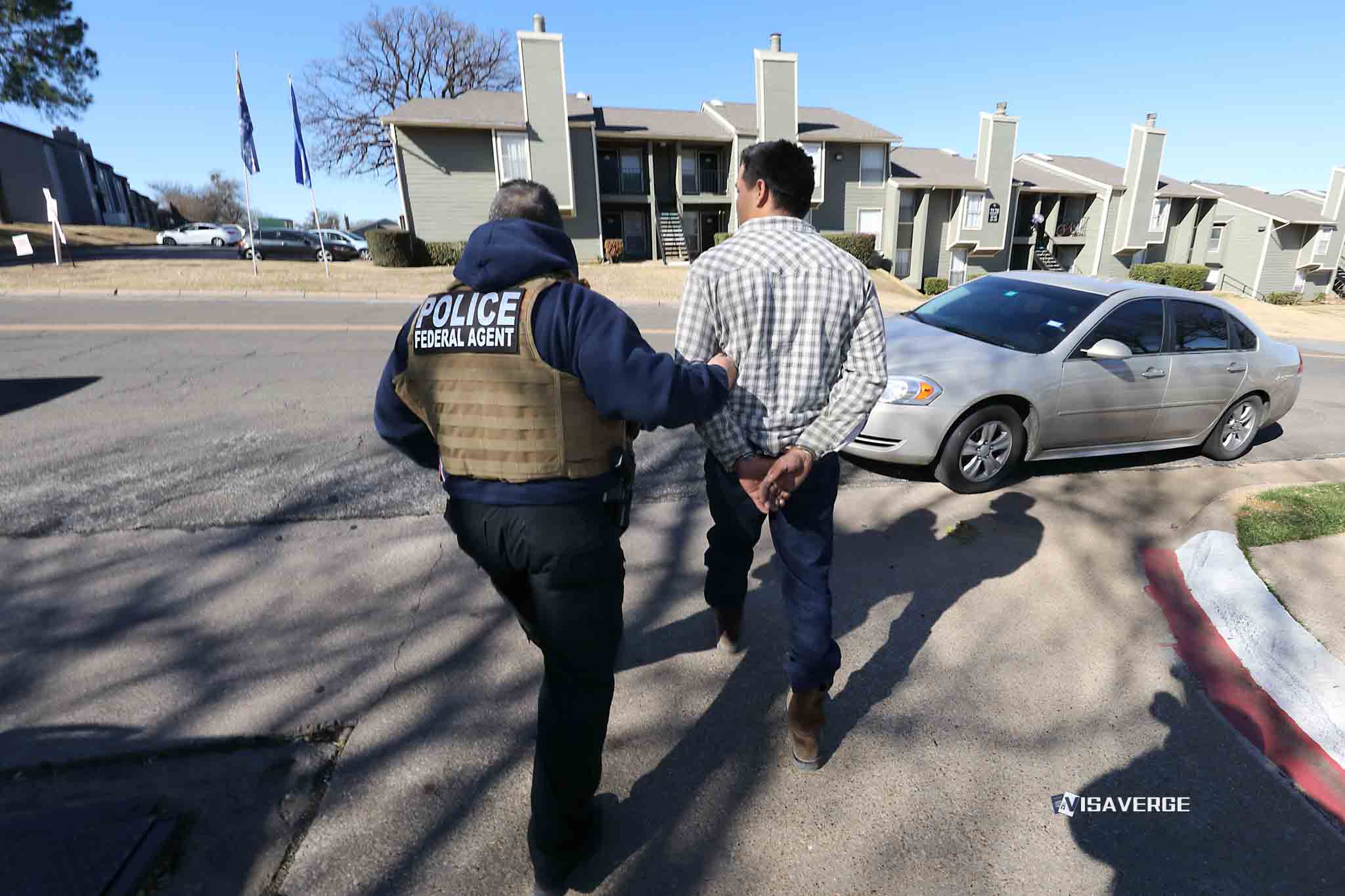
The purchase also fits a broader ICE strategy described in reports to convert warehouses into detention centers as arrests rise, including in Utah, where arrests tripled last year.
Utah ICE detainees already move through a patchwork system that includes local jails and transfers out of state, a network that opponents say makes oversight harder and increases disruption for families and lawyers.
County jails in Davis, Salt Lake, Tooele, Washington and Weber currently hold Utah ICE detainees, reports said, and others are transferred to facilities in Aurora, Colorado, Las Vegas, or elsewhere.
Transfers also move through Salt Lake City International Airport. In 2025, ICE used 99 flights from the airport as part of detainee movement, reports said, a detail that has drawn attention because of the warehouse’s proximity to the airfield.
Mendenhall’s objections center on city code and occupancy requirements, not on who owns the land, and her office has pointed to infrastructure and life-safety concerns as a basis for review.
The mayor cited required bathrooms, utilities, exits, and infrastructure, describing those systems as necessary for a high-occupancy use that would concentrate thousands of people at a single site.
Wilson has framed the dispute as both a regulatory and community issue, arguing that Salt Lake County will feel the impact even if federal authorities own the property and direct the operation.
Calling the purchase a “bleak day,” Wilson said her office intends to pursue a combination of land-use authority and regulatory review to block the project, language that signals a fight over permitting and occupancy approvals.
The local objections come as Utah Senate and House Democrats join city and county leaders in warning about effects beyond the facility itself.
Utah Senate and House Democrats, led by Senator Luz Escamilla, warned the project would disrupt communities beyond detention alone, aligning state-level opposition with local government resistance.
Opponents have described potential impacts on public services, neighborhood effects, governance and oversight, arguing that a facility of this size would require more than federal ownership to operate without local consequences.
Protests have also emerged near the airport. In January 2026, demonstrators gathered at a nearby warehouse that was also rumored as an ICE site, carrying “ICE out of Utah” signs.
Those protests followed earlier disputes tied to federal-deal rumors involving Ritchie Group, reports said, after the business denied federal deals connected to detention planning.
The Salt Lake City warehouse purchase also follows December 2025 reports that identified Salt Lake as a candidate processing site, adding momentum to local fears that ICE’s Salt Lake City footprint could expand rapidly.
Even with the deed recorded and the acquisition price public, DHS and ICE have not publicly detailed construction schedules, opening timelines, or operational plans for the site as of March 13, 2026.
That absence of detail has left local officials focusing on what they can control: land-use review, occupancy classifications, and infrastructure and life-safety requirements tied to how a property is used.
The dispute also has a financial dimension that officials say raises accountability questions, including how the sale price compares with local valuation references.
Wilson said the sale price exceeds the county’s $97 million valuation by nearly $50 million, a comparison that opponents have cited as they press for clarity on the intended use and the expected demands on local systems.
The $145.4 million purchase price has become a central talking point for officials who argue that the scale of the transaction, paired with the described 7,500-bed facility concept, warrants intense scrutiny before any occupancy approvals move forward.
For local governments, valuation comparisons matter because they shape public debate about the use of taxpayer-backed federal spending, and because the numbers feed into political arguments about transparency and the scale of the federal presence.
ICE’s role in the acquisition has also sharpened attention on how detention and processing systems work in the region, including the continued use of county jails and the reliance on transfers that can move people across state lines.
With detainees held in multiple Utah counties and transferred to Colorado, Nevada, and other locations, opponents argue that adding a large detention center near Salt Lake City International Airport could change the region’s role in ICE transportation.
Mendenhall and Wilson have both pointed to the practical burdens they expect, with Mendenhall focusing on the high-occupancy requirements in city code and Wilson emphasizing strain on resources and community fabric.
The federal government’s purchase, local leaders’ stated intent to challenge the project, and statewide Democratic opposition have turned a warehouse deed into a defining immigration flashpoint for Salt Lake City, even as DHS and ICE remain publicly silent on what comes next.