- The TSA’s three-one-one rule remains the national standard despite new screening technologies.
- New CT scanners allow liquids to stay inside carry-on bags at specific airport checkpoints.
- Medical liquids and infant formula remain exempt from limits but require separate declaration during screening.
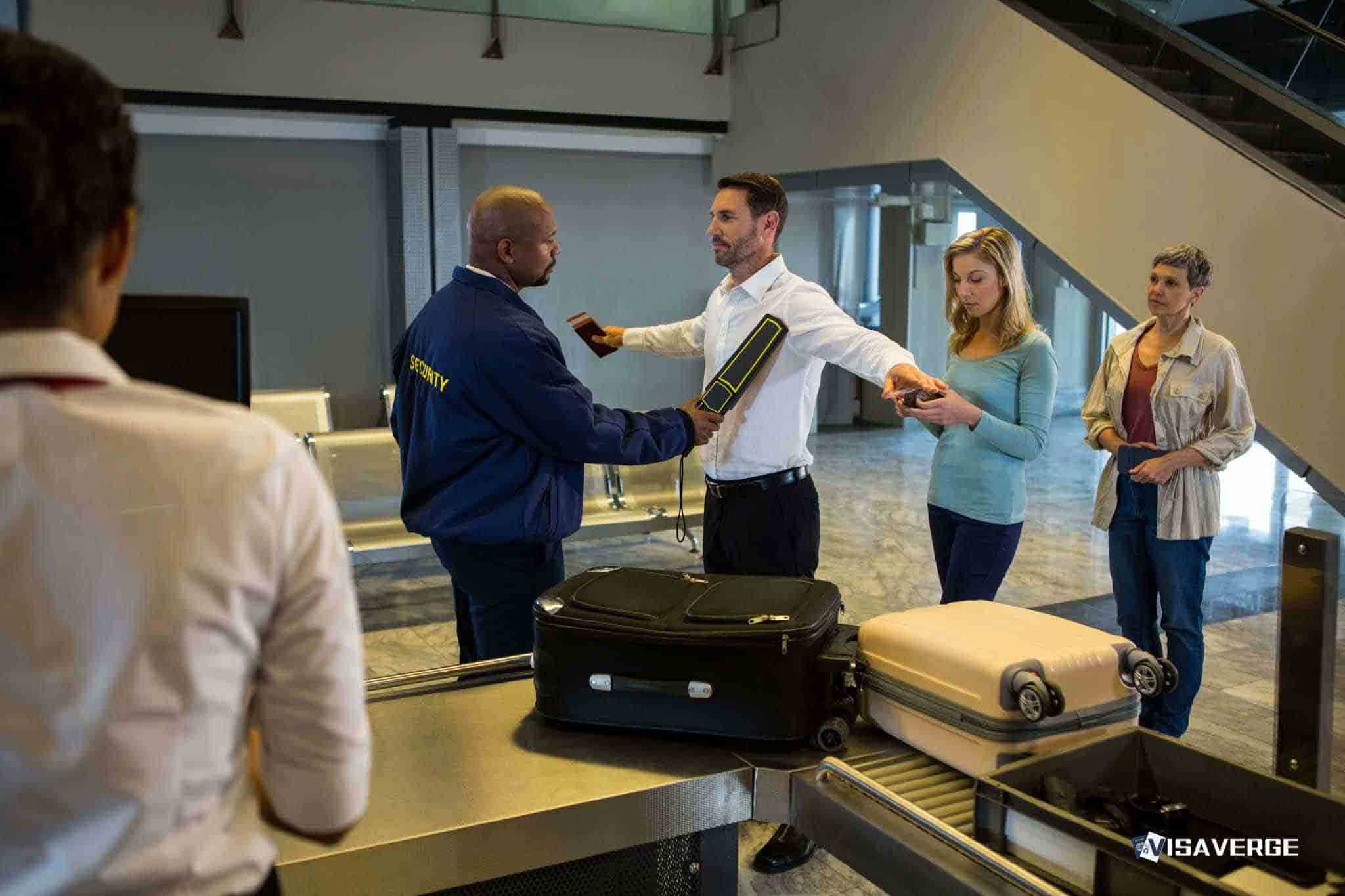
(U.S.) — The TSA’s liquid rule has not gone away, but some travelers are seeing a different screening experience at airports with CT scanners. The familiar 3-1-1 rule still applies at U.S. checkpoints, yet certain lanes now let passengers leave liquids in their bags, which can shave a few minutes off security lines when the right equipment is in use.
That change matters most when the checkpoint is busy or the connection is tight. A traveler who still packs by the old rules will get through almost anywhere; a traveler who assumes the rule has been repealed can get delayed when the lane still uses standard screening.
Free toolB1/B2 Tourist Visa Stay Calculator online
The Nationwide Rule Remains Unchanged
The nationwide rule is unchanged for most passengers. Carry-on liquids, gels, aerosols, creams, and pastes must stay in containers of 3.4 ounces or less, which is 100 milliliters, and all of them must fit in one quart-sized, clear, resealable bag per passenger.
TSA still treats that as the baseline, not a suggestion. It also still catches items travelers often forget about, including peanut butter, hummus, dips, and similar spreads when they exceed the limit.
CT Scanners and Checkpoint Variability
CT scanners are the reason some airports now look different at security. In lanes with that equipment, TSA has allowed passengers to keep the liquids bag inside carry-on luggage during screening, and in some cases laptops stay packed as well. That is a checkpoint-by-checkpoint change, not a blanket repeal of liquid limits across the country.
Airport procedures can vary from one lane to the next. One checkpoint may use CT equipment and process bags with less unpacking; another lane in the same terminal may still require the old routine. The result is uneven, and travelers see that difference when they move between airports or even between lines at the same airport.
Common Exceptions and Planning Needs
Several common exceptions remain in place. Prescription liquid medications are exempt from the 3.4-ounce cap. Breast milk and infant formula are also exempt. Duty-free liquids can pass if they are sealed properly and accompanied by the receipt TSA requires. Frozen liquids can be carried if they stay completely frozen at screening.
Those exceptions still need some planning. Medicine and infant feeding items should stay separate and easy to show if an officer asks. Duty-free bags can create problems if the seal is broken or the receipt is missing. Frozen items that have started to melt get treated differently from items that remain solid.
Impact on Travel Experience
Airlines have little control over how TSA handles the lane, but the screening time still affects the trip. Faster security can help if you are cutting it close to boarding, and it can reduce the chance of missing a priority boarding group or a short connection. That benefit depends on the airport’s equipment, not the ticket you bought or your elite status.
Premium travelers, frequent flyers, and anyone chasing a tight connection still face the same practical choice: pack for the stricter version of the rule and treat any faster screening as a bonus. The safest approach is to keep liquids in a quart bag, leave oversized containers in checked luggage, and separate anything exempt before reaching the checkpoint.
That is especially useful on routes with crowded hub connections, where a few minutes at security can decide whether a traveler makes the next flight. If the itinerary includes an airport known for CT scanners, screening may move faster; if not, the old 3-1-1 rule still governs the line.
Pack as if every checkpoint still requires the standard liquid bag, keep exempt items easy to declare, and do not count on CT scanners unless the lane clearly uses them. The safest bet for a flight this week is still the same one travelers have used for years: 3.4 ounces, one quart-sized bag, and no assumptions at the checkpoint.