- The Trump administration is establishing a 528-bed holding center at Alexandria International Airport in Louisiana.
- The facility targets migrant families and unaccompanied children to streamline the federal deportation pipeline.
- Legal challenges may focus on child-welfare protections and statutes including the Flores settlement and trafficking laws.
(ALEXANDRIA, LOUISIANA) — The Trump administration plans to open a 528-bed holding center next to Alexandria International Airport, expanding a Louisiana immigration enforcement corridor that has become a central part of the federal government’s deportation pipeline.
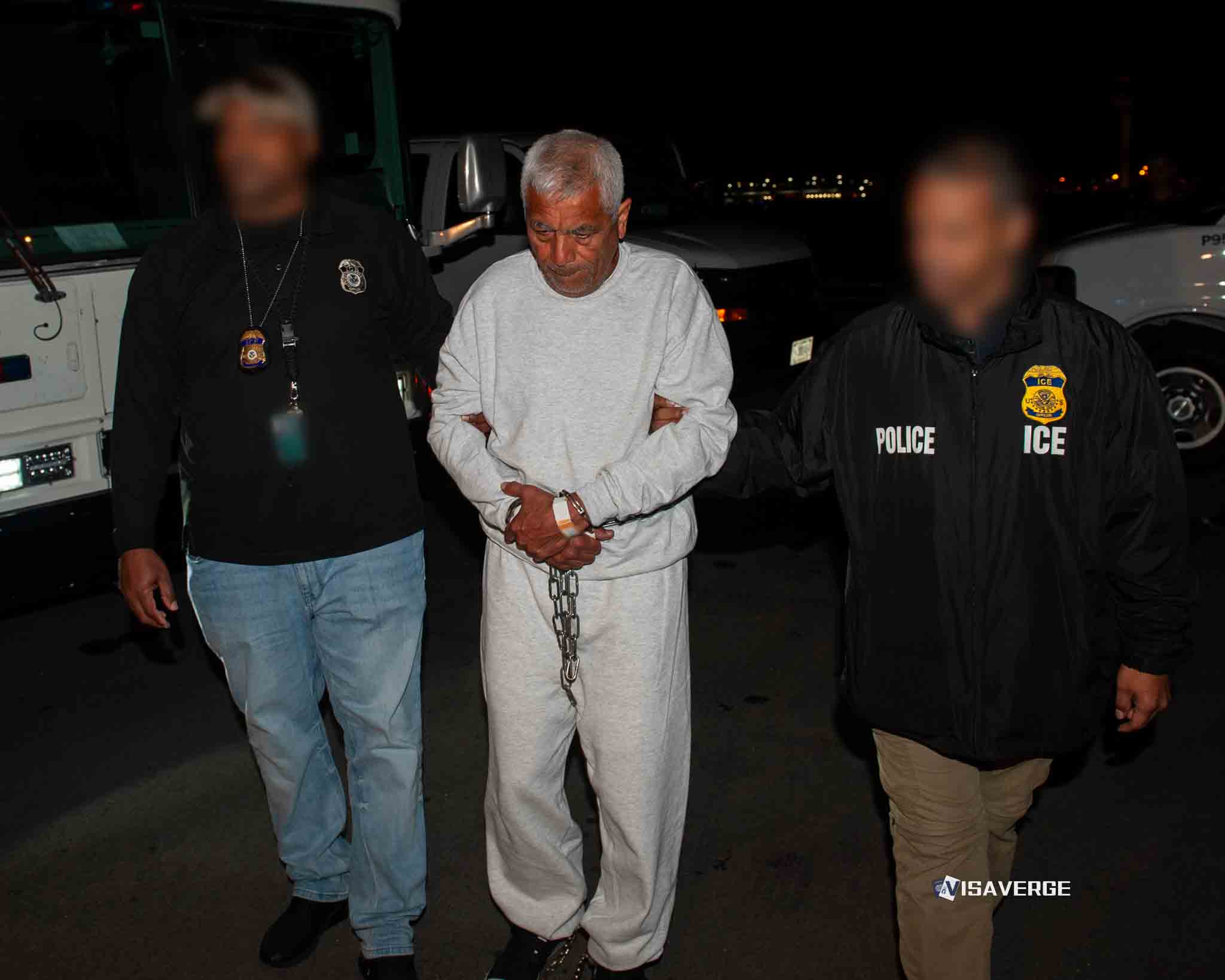
The planned site is described as a temporary holding facility for migrant families and unaccompanied children awaiting removal from the United States. Public reporting to date has not identified a published Department of Homeland Security, Department of Justice, EOIR, or USCIS policy memorandum that formally announces the center as part of a nationwide rule change. The legal picture, at least for now, looks more like an operational detention expansion tied to removal processing in central Louisiana.

That distinction matters in court. A detention site can be challenged even without a new national regulation if advocates argue that the government’s use of the facility violates existing detention statutes, child-welfare protections, or limits on holding children and families for immigration purposes. The federal government’s detention authority generally arises under INA § 235, INA § 236, and INA § 241, depending on whether a person is treated as an arriving noncitizen, is in removal proceedings, or already has a final order of removal.
Families and unaccompanied children raise a separate set of legal questions. Federal custody of minors is shaped not only by immigration statutes, but also by the Flores settlement framework and trafficking protections for children. Unaccompanied children are also covered by the Trafficking Victims Protection Reauthorization Act, codified in part at 8 U.S.C. § 1232. If children are held at or moved through the Alexandria site, litigation may focus on transfer practices, length of custody, access to counsel, and whether the placement is consistent with federal standards for minors.
The facility’s location is not incidental. Alexandria International Airport has long been used for deportation flights and transfer operations. Placing a 528-bed holding center beside the airport would reduce transport time and could allow ICE to move people more quickly from detention or short-term custody to removal flights. That physical link is why immigration lawyers and advocacy groups often describe the airport area as part of a deportation pipeline rather than just a transportation hub.
No public filing reviewed as of July 6, 2026 appears to show a final appellate ruling on this specific site. That leaves the near-term legal fight, if one develops, likely in federal district court through emergency motions or civil rights claims, or in individual immigration cases where detention conditions, transfer decisions, or access to relief become disputed. Jurisdiction would matter. Challenges to detention authority, custody conditions, or minors’ treatment can take different paths depending on the claim and the circuit.
Warning: A transfer to Louisiana can affect access to family, counsel, and local service providers. People in custody should try to keep a copy of all charging documents, custody paperwork, and hearing notices.
The administration has not publicly tied the Alexandria project to a new formal detention rule. That may limit one kind of Administrative Procedure Act challenge, but it does not foreclose others. If the government begins housing families or unaccompanied children there, plaintiffs may test whether actual operations comply with statutory detention authority, due process requirements, and child-custody rules. Courts have repeatedly treated immigration detention of minors as a legally distinct category. In Reno v. Flores, 507 U.S. 292 (1993), the Supreme Court upheld certain federal juvenile custody regulations, but later litigation and settlement terms reshaped how minors may be held and released.
Any challenge involving release, bond, or custody review would also depend on the person’s posture in the system. Noncitizens in expedited removal, people with reinstated removal orders, and those in regular removal proceedings do not all have the same procedural rights. Some may seek parole or custody review; others may face narrower options. Children may have separate screening rights or placement protections. Families with fear-based claims may still pursue asylum under INA § 208, withholding of removal under INA § 241(b)(3), or protection under the Convention Against Torture if they meet the legal standard.
Deadline: Immigration court hearing dates and ICE check-in dates remain binding after a transfer. Missing a hearing can result in an in absentia removal order.
The practical data points are straightforward. The proposed center would have 528 beds, sit at Alexandria International Airport, and target migrant families and unaccompanied children. The legal consequences are less simple. A short-term holding designation does not remove the government from statutory and constitutional limits, especially where children are involved. The absence of a published nationwide policy does not insulate a facility from court review if conditions or procedures are challenged once operations begin.
People who believe a relative has been transferred to Alexandria should check the ICE detainee locator, review any Notice to Appear or custody paperwork, and contact counsel quickly. Attorneys often ask first whether the person is classified as an unaccompanied child, whether there is a final removal order, and whether any asylum or protection claim is pending. Those details shape which agency has custody, what deadlines apply, and where relief may still be available. Official information is available through ICE,
⚖️ Legal Disclaimer: This article provides general information about immigration law and is not legal advice. Immigration cases are highly fact-specific, and laws vary by jurisdiction. Consult a qualified immigration attorney for advice about your specific situation.
Legal resources: AILA Lawyer Referral: Lawyer Referral
Immigration Advocates Network: Immigration Advocates Network legal directory