- The Department of Labor plans to modernize PERM certification procedures starting in twenty twenty-six.
- Proposed changes will focus on updated recruitment standards and protections for United States workers.
- Existing labor market rules remain in effect until the final rulemaking process is completed.
(UNITED STATES) — The U.S. Department of Labor is planning a proposed rule in 2026 to modernize the PERM labor certification system, an early step in many employer-sponsored green card cases under EB-2 and EB-3.
The proposal appears in the U.S. regulatory agenda under the title “Modernizing the Labor Market Test and Improving Protections for U.S. Workers in the PERM Immigrant Visa Program.” As of July 6, 2026, it remains at the proposed rule stage and has not changed filing rules for pending or new cases.
Free toolH-1B Cost Calculator Online
That places employers and foreign workers in a waiting period. Current PERM labor certification rules still apply, even as the agenda signals that federal officials want to rewrite standards that govern recruitment, layoffs, compliance, non-discrimination and record retention.
What Is PERM and Why It Matters
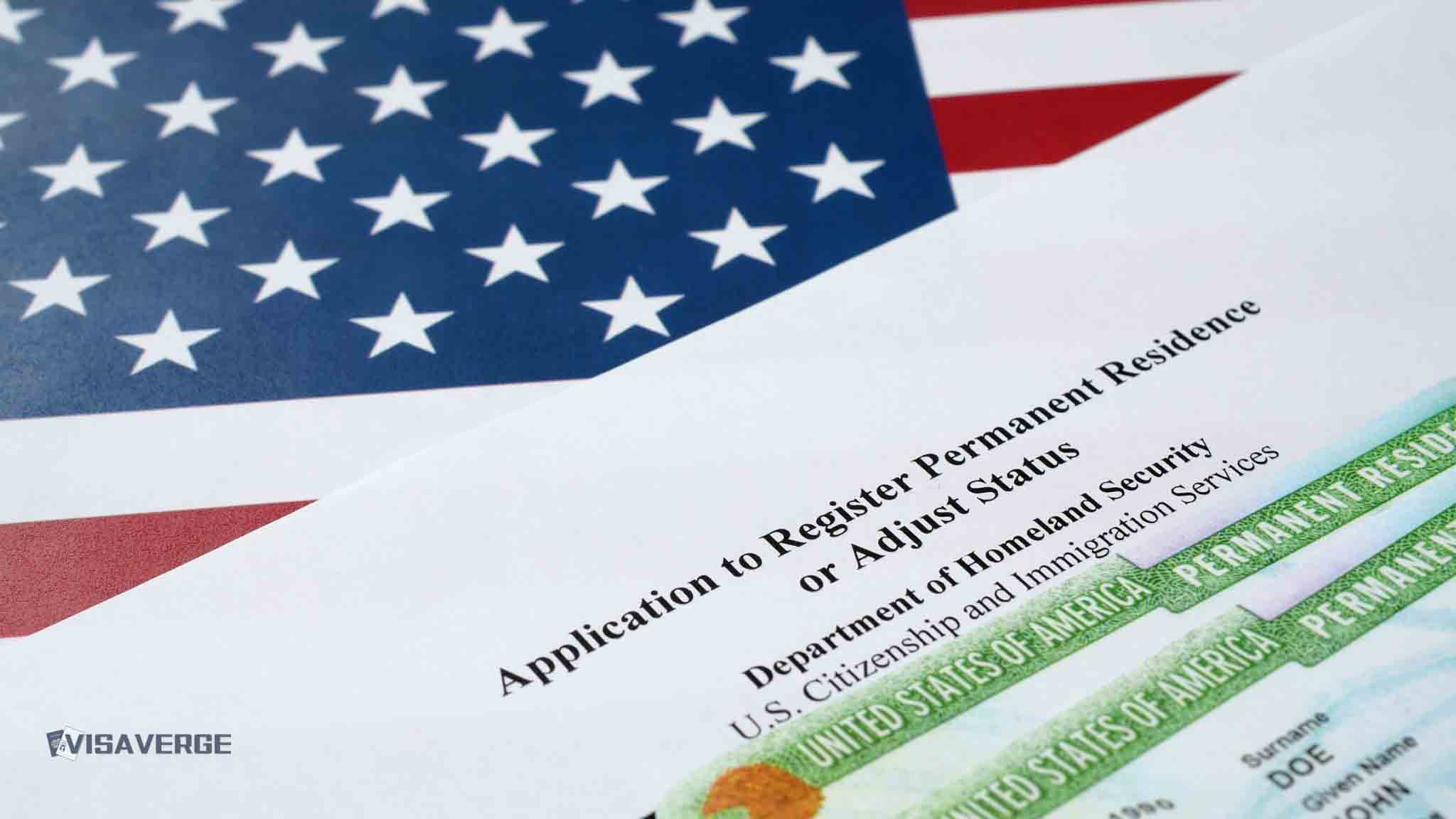
PERM, short for Program Electronic Review Management, is the labor certification process run by the Department of Labor. It is not a visa, and it is not a green card. It serves as a labor-market test in many employment-based permanent residence cases.
| India | China | ROW | |
|---|---|---|---|
| EB-1 | Feb 01, 2023 ▲109d | Jul 01, 2023 | Current |
| EB-2 | Nov 01, 2013 | Oct 01, 2021 ▲30d | Jan 01, 2025 |
| EB-3 | Jan 01, 2014 | Jan 08, 2022 ▲7d | May 15, 2024 ▼109d |
| F-1 | Jan 22, 2020 | Jan 22, 2020 | Jan 22, 2020 |
| F-2A | Sep 22, 2026 ▲31d | Sep 22, 2026 ▲31d | Sep 22, 2026 ▲31d |
Employers must show that there are not enough able, willing, qualified, and available U.S. workers for the job offered to the foreign worker. They also must show that hiring the foreign worker will not negatively affect the wages and working conditions of similarly employed U.S. workers.
The employer files the PERM application, not the employee. After the Department of Labor certifies it, the employer usually files Form I-140, Immigrant Petition for Alien Worker, with U.S. Citizenship and Immigration Services, followed later by adjustment of status or consular processing when the priority date becomes current.
That sequence usually starts with a prevailing wage determination and then recruitment. The PERM application comes next, then the Form I-140 filing, then the final green card stage. It is a standard path in many EB-2 and EB-3 sponsorship cases.
Why Modernization Is Needed
The Department of Labor says PERM regulations have not been comprehensively modified since 2004. Hiring practices have changed since then, shifting from newspaper ads and traditional postings to online platforms, employer career portals, LinkedIn, job boards, internal talent systems and automated screening tools.
Because PERM rests on recruitment, those changes carry weight. A new rule could reset how employers must search for qualified U.S. workers before they sponsor a foreign national for permanent residence, and how they must document that process afterward.
Federal officials are expected to focus on minimum standards for recruiting qualified U.S. workers, safeguards for workers affected by layoffs, employer compliance with PERM requirements, non-discriminatory recruitment and hiring practices, record retention and updates that reflect current labor market realities.
Any rewrite could reach routine decisions inside a company’s immigration process. Job advertising, applicant review, recruitment records, layoff analysis and proof that a position was genuinely open to U.S. workers all fall within the areas flagged for review.
The Rulemaking Process
Nothing in the regulatory agenda turns the proposal into law. The rule is still at the NPRM stage, short for Notice of Proposed Rulemaking. That means the government must publish the proposal, take public comments, review that feedback and then decide whether to issue a final rule.
A final rule could come with an effective date and transition provisions for pending cases, new cases or matters already in recruitment. Until then, employers do not need to stop filings simply because a proposal is planned. Existing rules remain in place.
Who Is Affected
The cases most exposed to any future change are the ones that depend on PERM labor certification in the first place. That includes many advanced degree or exceptional ability cases in EB-2, unless they qualify for a National Interest Waiver, and many professional, skilled worker and other worker cases in EB-3.
H-1B workers sponsored for green cards sit squarely in that group. So do some F-1 OPT and STEM OPT workers whose employers later begin sponsorship, along with L-1 and other work visa holders moving into employer-sponsored permanent residence.
Other green card categories are less likely to feel a direct effect because they usually do not require PERM labor certification. That group includes EB-1 extraordinary ability, EB-1 multinational manager, EB-1 outstanding professor or researcher, EB-2 National Interest Waiver, EB-5 investor cases, family-based cases, asylum-based cases and Diversity Visa cases.
Impact on Indian Applicants
Indian applicants have reason to watch the proposal closely because they make up one of the largest groups facing employment-based green card delays, especially in EB-2 and EB-3. But the planned PERM labor certification overhaul does not change annual green card numbers, remove per-country limits or move Visa Bulletin dates forward.
It also does not automatically solve long waits for Indian or Chinese applicants. Its effect sits earlier in the pipeline, at the labor certification step that often comes before an employer can file Form I-140.
Workers whose PERM cases have not started could feel the effect more sharply if recruitment standards or documentation duties change. Those with cases already filed or certified will have to wait for the text of any proposed and final rule, along with any transition provisions.
Layoffs and Compliance
Layoffs are one area drawing close attention. The Department of Labor’s rule description refers specifically to safeguards for U.S. workers impacted by layoffs, a point that carries weight for technology companies and other employers that have cut staff in recent years.
Layoffs already complicate some PERM cases under the current system. Employers may need to consider whether laid-off U.S. workers were available for similar positions. A new rule could make those duties clearer, stricter or more heavily documented.
That would place more pressure on an employer’s broader hiring record, not just on the qualifications of the sponsored worker. A foreign national may be fully qualified and in valid H-1B status, but the green card case cannot move ahead unless the employer satisfies Department of Labor standards.
Practical Steps for Employers
Businesses can act before any final rule appears. The article’s source material points to practical steps inside PERM case preparation: reviewing job descriptions, confirming that minimum requirements are documented, preserving recruitment records and making sure recruitment is genuinely open to U.S. workers.
Human resources teams also may need closer coordination with immigration counsel when openings sit in business units touched by recent layoffs. Tracking layoffs by location, role and business unit could become more important if the Department of Labor writes stricter safeguards into the final regulation.
Employers also face scrutiny over whether job requirements fit the position or were tailored to a single foreign worker. Non-discriminatory hiring practices and complete, organized PERM audit files stand out in the list of areas that may receive more attention.
What This Means for Foreign Workers
Foreign workers, meanwhile, do not gain any immediate benefit from the proposal. A modernization effort can lead to clearer rules or more predictable standards, but it also can bring added review, more audits or tighter employer obligations.
Some workers are likely to measure the proposal against current processing delays. Yet nothing in the agenda promises faster green cards. The rule could create a cleaner framework for recruitment, or it could add more paperwork at a stage that already consumes months.
What it plainly does not do is rewrite the broader immigration system. The planned rulemaking does not change the Visa Bulletin, adjust EB-2 or EB-3 annual limits, alter per-country caps, approve pending I-140 or I-485 cases, or remove the need for USCIS approval after PERM certification.
That distinction separates a labor certification overhaul from a green card overhaul. The Department of Labor is preparing to revisit the labor market test used in many employment-based cases, not the visa-number rules that drive long backlogs.
Next Steps
The next step is publication of the proposed rule itself. Once that happens, employers, immigration lawyers, worker groups, business groups and the public will be able to read the regulatory text and submit comments before the agency decides whether to issue a final version.
Until that process plays out, PERM cases remain governed by the rules now on the books. The proposed rule may eventually reshape how employers prove that a sponsored job was tested in the U.S. labor market, but that rewrite has not arrived yet.