The UK now requires ETA applicants and other visa applicants to submit a digital photo that meets strict GOV.UK standards, including format, size, and content rules. That update comes as the security allegation centered on UK Visa Portal remains the same: the site was reported to have exposed applicants’ passport and selfie photos, while the government’s current photo guidance has become more explicit for short-stay travelers.
- ETA applicants must now submit a compliant photo through the UK ETA app or the application process, and visitors who do not need a visa for short stays of up to six months need an ETA unless exempt.
- The ETA costs £20, allows multiple journeys for stays of up to six months at a time, and is valid for two years or until the passport expires, whichever comes first.
- GOV.UK says a digital visa photo must be in colour, unaltered, clear and in focus, at least 600 pixels wide and 750 pixels tall, between 50KB and 6MB, and saved as jpg/jpeg.
- The photo must show the applicant alone against a plain light-coloured background, facing the camera with eyes open and visible, and it must not be a scan or photo of another photo.
UK police have been running facial recognition searches against passport and immigration databases without Parliament’s explicit approval, according to records disclosed in August 2025. The practice has grown quickly, raising legal, privacy, and fairness concerns.
Freedom of Information disclosures show a sharp rise in “retroactive” searches since 2020. In 2023, police ran 417 checks against the passport system, up from just 2 in 2020. Immigration database queries jumped from 16 in 2023 to 102 in 2024, with 34 more in the first 4.5 months of 2025. These lookups compare suspect images from CCTV or social media against more than 150 million stored photos.
The Home Office says facial recognition helps solve crimes faster and claims improving accuracy. But there’s still no clear law that authorises mass scans of civil photos collected for travel or visa purposes. As of July 2025, the government is drafting a governance framework, yet there’s no comprehensive legislation or independent regulator. Privacy groups call the secrecy an “historic breach” and “astonishing,” arguing the public and Parliament were kept in the dark.
At the same time, the Metropolitan Police has expanded live deployments. In July 2025, it installed the country’s first permanent facial recognition cameras in Croydon and plans to double weekly live operations. The Home Office invested £3 million in 10 new live facial recognition vehicles to widen coverage. The Office of the Biometrics and Surveillance Camera Commissioner confirmed there’s no documentation mandating cooperation between operators and agencies, underscoring the lack of statutory rules.
“Outrageous — a biometric digital identity system by the backdoor,” said former minister Sir David Davis MP, reflecting broader concern about secret expansion without parliamentary scrutiny.
How it works in practice
- Retroactive facial recognition
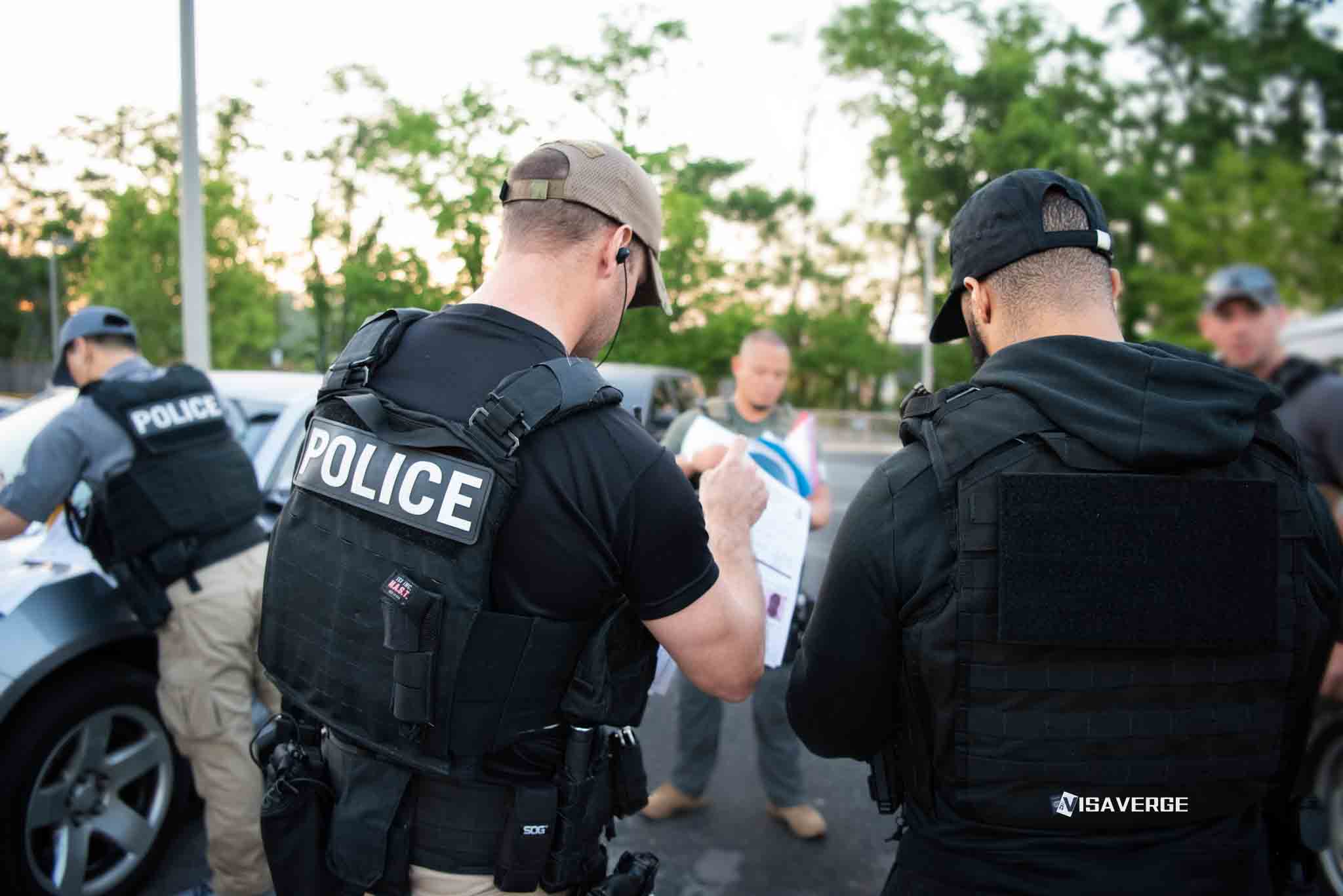
- Police compare images from CCTV or phones against passport and immigration databases to identify suspects.
- Live facial recognition
- Mobile vans and fixed cameras scan faces in real time, matching them to a watchlist.
- People who trigger an alert may be stopped on the street.
- Operator-initiated checks
- Some forces are testing phone-based tools so officers can run quick on-the-spot searches.
Why immigrants and travelers care
- Millions of people gave facial photos for passports, visas, or citizenship, expecting secure, limited use. Many didn’t know police could search these stored images.
- Campaigners warn of “function creep”: data collected for travel or status checks being used for policing without clear consent or law.
- Known accuracy gaps in facial recognition can misidentify people, with higher error risks for women and people of color. For migrants, a false match can trigger stressful stops, delays in status checks, or wrongful suspicion.
What the government says
- The Home Office and Metropolitan Police argue facial recognition speeds investigations and helps find wanted people, saying accuracy is improving and only persons of interest are targeted.
- Prime Minister Keir Starmer backs its use to prevent unrest and riots.
- Despite claims, police outcomes are modest: London reports over 1,000 arrests since 2020 linked to the tech — about 0.15% of all arrests, raising questions about cost and proportionality.
Legal and policy context
- The 2020 Court of Appeal ruling in Bridges v South Wales Police found live facial recognition unlawful at the time due to weak safeguards and policies.
- Since then, guidance has been piecemeal and voluntary. There’s no single law that sets clear limits, auditing duties, data retention rules, or penalties for misuse.
- The Biometrics and Surveillance Camera Commissioner post confirmed gaps in statutory regulation before its abolition. A replacement oversight model remains unclear.
Data handling and retention
- Biometric data is collected for immigration, visa, and citizenship applications. Official guidance says certain images should be deleted after a British passport is issued, but FOI material suggests ongoing retention and police access remain possible.
- Key question: How long do images stay accessible to police and under what conditions? For official information on biometric data handling, see the UK government’s pages on biometric information.
What this means for communities
- UK residents and migrants: Your photo may be searched without your knowledge when police run facial checks across civil systems. That affects both British passport holders and people in immigration records.
- Children and families: Live cameras can scan crowds, including minors, during daily errands, travel, or protests.
- Businesses and schools: Wider public-sector adoption could normalise constant scanning in transport hubs, retail centres, and campuses, raising ethical issues and possible liability.
Practical steps for the public
- Ask your MP for clarity: request a clear legal basis, audit trails, and opt-out or deletion routes where possible.
- Exercise data rights:
- Make a Subject Access Request to see what personal data is held and how it’s used.
- If you believe your data was misused, file a complaint with the Home Office or the Information Commissioner’s Office.
- Document incidents:
- If you’re stopped due to a facial recognition alert, note location, date, officers’ numbers, and request the reason for the stop.
What police should publish, according to experts
- A clear legal basis and scope for searches of passport and immigration databases.
- Independent accuracy and bias testing results, including false match rates broken down by demographics.
- Detailed retention policies, deletion timelines, and audit logs showing who accessed which images and why.
- Public statistics on hits, arrests, and outcomes to judge effectiveness, not just deployment counts.
Policy options on the table
- Statutory law with strict limits on when facial recognition can be used, especially for mass scanning.
- Mandatory warrants or judicial approval for retroactive searches of civil photo stores, except in emergencies.
- Independent regulator with power to audit, fine, and stop unlawful deployments.
- Automatic deletion schedules for images not tied to criminal investigations, with public reporting.
Voices across the debate
- Civil liberties groups (Big Brother Watch, Liberty, Ada Lovelace Institute): call for a moratorium until Parliament acts, citing risks to privacy, discrimination, and free expression.
- Government and police: emphasise efficiency and crime prevention, promising better accuracy and targeted watchlists.
- Independent experts: urge risk-based safeguards, firm oversight, and public transparency to protect rights and build trust.
Practical advice for immigration applicants
- Biometric collection (fingerprints and a facial photo) is part of most visa and citizenship applications.
- Keep confirmation receipts and check official notices for data retention and deletion timelines.
- If you later become a British citizen and obtain a passport, track what policies say about deleting old records and what police access might remain.
What to watch next
- The Home Office’s draft governance framework for live facial recognition is expected, but the timeline for full legislation remains uncertain.
- Expansion of permanent cameras and mobile vans is likely to continue and may spread to more boroughs and public venues.
- Parliamentary committees and courts could shape the rules quickly if they push for binding safeguards and real-time oversight.
Key takeaway: Your face is part of your identity. When it’s stored in a passport or immigration system, it deserves strict legal protection. Until Parliament sets firm rules, public trust will remain fragile and the risk of mistakes will persist.
As reported by VisaVerge.com, growing police access to large biometric stores intensifies the need for clear laws that balance security with people’s rights.
This Article in a Nutshell