What Is Canada’s New Border Crossing Tech Initiative?
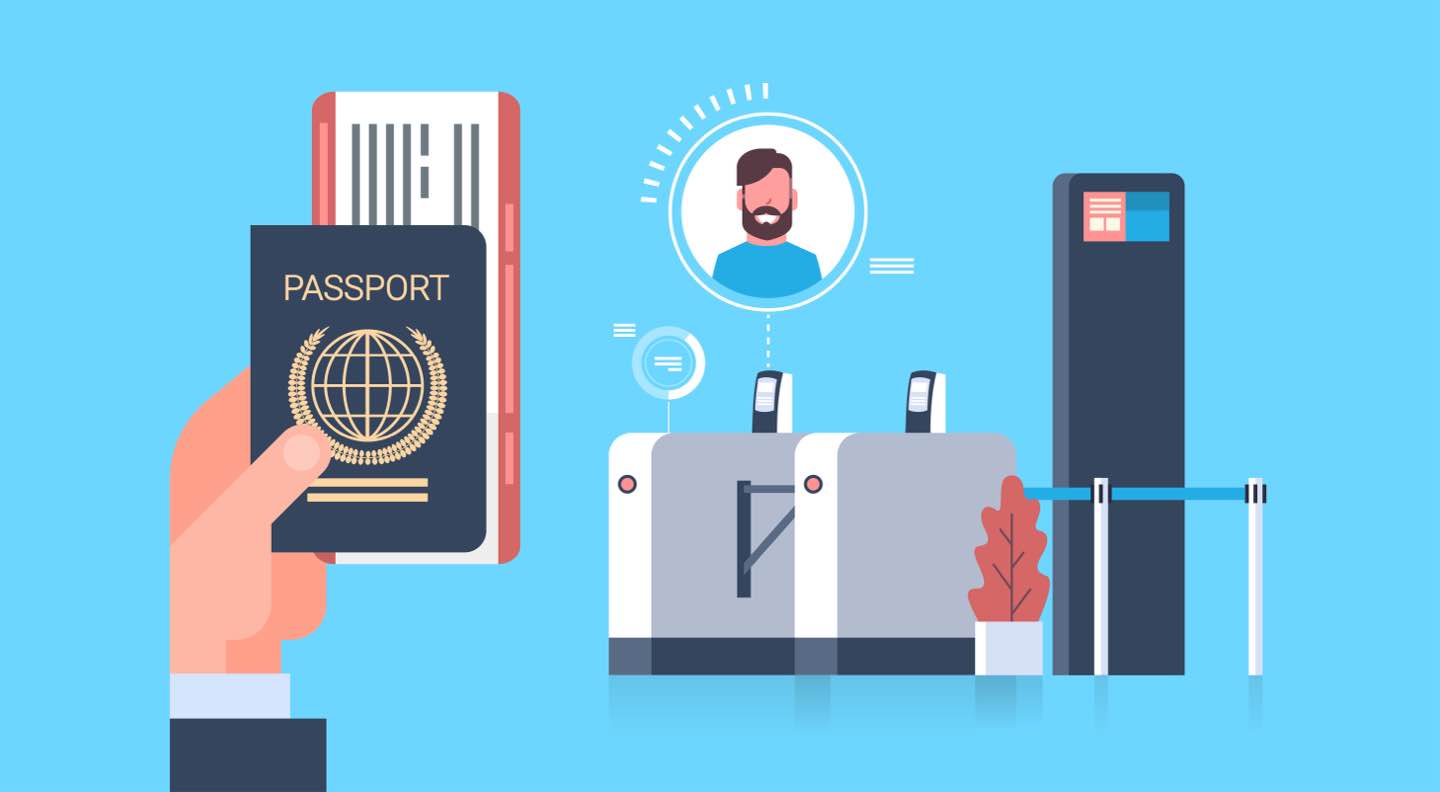
Canada is positioned to redefine efficiency at its borders with an upcoming facial recognition technology initiative. This ambitious project, funded by the federal government, aims to utilize up to $25 million (USD) in order to expedite and simplify the border-crossing process. The core of this initiative involves allowing travelers to take a selfie with their mobile device, which will then be compared to their passport photo to confirm identity.

How Will This Facial Recognition Technology Work?
The Canada Border Service Agency (CBSA) is spearheading the development of this innovative system. By integrating facial recognition, Canada aims to streamline the immigration process, saving travelers time and reducing congestion. The essence of the new system lies in its simplicity – travelers will identify themselves with a quick selfie, which is then automatically verified against their passport photo. This process not only speeds up the verification but also enhances security by ensuring that the person entering the country matches the passport being presented.
Free toolCanada Express Entry Points CalculatorWhat Are the Benefits of Facial Recognition at Borders?
Facial recognition technology is already in use in various airports around the globe and has been introduced by Air Canada in 2023. Similarly, the Transportation Security Administration (TSA) in the United States has implemented this technology in some airports as an optional verification process. The benefits are multifaceted:
– Enhanced Efficiency: Speeds up the process of identity verification, decreasing wait times.
– Improved Security: Provides a reliable method of confirming travelers’ identities.
– Less Contact: Reduces the need for physical contact, promoting a more hygienic travel experience.
Will Privacy Be Compromised With This New Tech?
Privacy and accountability concerns regarding the deployment of facial recognition technology in public spaces have been voiced by civil liberty coalitions. In response, the CBSA has acknowledged these concerns on their official website, stating, “We know that new technologies may raise concerns about privacy, bias, and protection of personal information. To address this, we are taking careful steps to research and plan our actions.” This statement underlines CBSA’s commitment to addressing these issues head-on, ensuring that privacy rights are respected as this technology is integrated.
What’s the Timeline for the Implementation of Facial Recognition in Canada?
The project is still in the early planning stages and seeks potential vendors to bring this technology to life. With a proposed budget and a timeline suggesting that the initiative could roll out within two to four years, Canada is making cautious yet progressive steps towards improving its border security and traveler experience.
Conclusion
The introduction of facial recognition technology for border crossings by the Canadian government represents a significant leap towards modernizing the immigration process. With an investment targeting both efficiency and security, this approach reflects a growing trend towards the use of biometric technology in global travel. As this technology develops, it will be crucial for governing bodies like the CBSA to balance innovation with the imperative need to protect individual privacy and civil liberties, ensuring a secure yet seamless border crossing experience.
Learn Today:
- Facial Recognition Technology:
- Definition: Facial recognition technology involves the use of biometric software to analyze and compare facial features for the purpose of identifying individuals. In the context of immigration, this technology is used to verify travelers’ identities against official documents, such as passports, to expedite border-crossing processes.
- Canada Border Service Agency (CBSA):
- Definition: The Canada Border Services Agency (CBSA) is a federal agency responsible for managing the country’s borders and enforcing customs and immigration rules. It plays a crucial role in facilitating legitimate travel and trade while upholding security measures at Canadian border entry points.
- Biometric Technology:
- Definition: Biometric technology refers to the application of biological characteristics, such as fingerprints, facial features, or iris patterns, to identify individuals. In immigration, biometric data is used for identity verification purposes, enhancing security and streamlining border procedures.
- Privacy Concerns:
- Definition: Privacy concerns in the context of immigration pertain to the potential risks associated with the collection and use of personal data, such as facial images, by government agencies for security or identification purposes. Addressing privacy concerns involves ensuring that individuals’ personal information is protected and used responsibly.
- Border Security Enhancement:
- Definition: Border security enhancement refers to measures taken by governments to strengthen security protocols at border crossings, including the introduction of advanced technologies like facial recognition. These measures aim to improve the efficiency of border processes, enhance identity verification, and mitigate security risks while maintaining the flow of legitimate travel and trade.
This Article In A Nutshell:
Canada is enhancing border security with a new facial recognition initiative to speed up crossings. Travelers take a selfie for easy identity confirmation. Benefits include efficiency, security, and less physical contact. Privacy concerns are addressed, ensuring respect for personal data. Implementation is in progress, aiming for a smooth, secure border crossing experience in the future.
— By VisaVerge.com
Read More:
-
Digital Transformation in Travel: Exploring the Biometric Travel Boom and New Passenger Data Regulations
-
UK Immigration Updates: EU Passport Checks and the UK’s Readiness for New Biometric Systems
-
Understanding Biometric Processes: How Long Does Biometric Response Take?
-
US Immigration Insights: Are CR1 Visa Holders Required to Submit Biometrics After Entering the U.S.?
-
Innovation in Identification: Pakistan’s E-Passports: New Biometric Features and Fee Guide