What Is the Current Process for Migrants Boarding Planes?
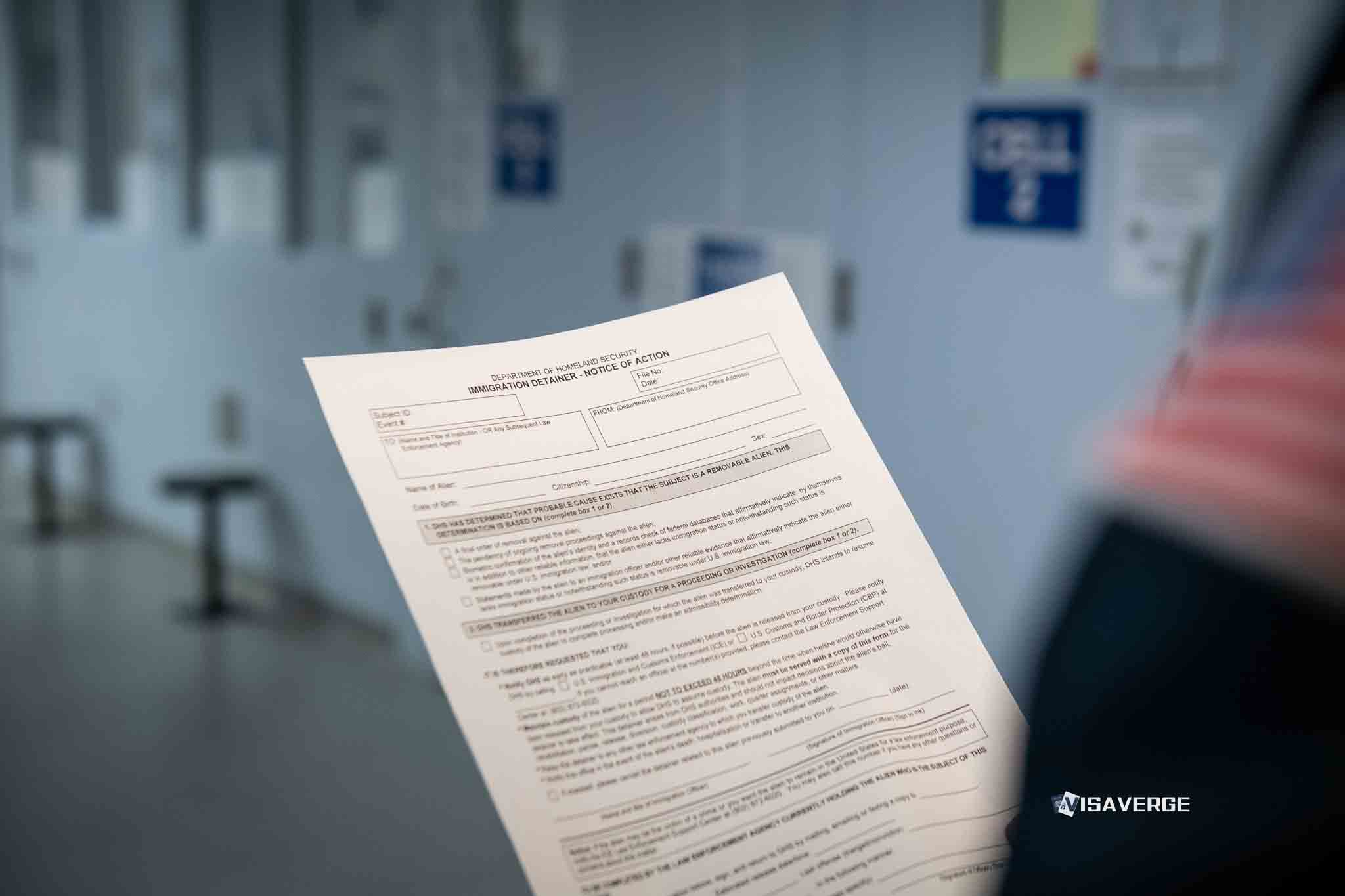
In recent debates about border security, the issue of how migrants are allowed to board airplanes within the United States has become a focal point. Presently, the Transportation Security Administration (TSA), under directions from Homeland Security, permits migrants who lack traditional forms of identification to board planes using documents issued during the catch-and-release program. These documents, according to critics including the Immigration Accountability Project and border security experts, lack the stringent security measures required for other travelers such as U.S. citizens.
Statistics show that hundreds of thousands of migrants have boarded planes using merely the biographic information provided upon their arrival, which is frequently unverified. Critics state, “There is no process for verifying that the name they provide is their actual name, or that they do not have a criminal record in their home country.”
Free toolUSCIS Receipt Number DecoderHow Does This Compare with Identification Requirements for U.S. Citizens?
For U.S. citizens or legal residents, the standard for boarding an airplane is far stricter. All passengers must present a valid photo ID, such as a driver’s license or a passport, and undergo various security screenings. However, the facility for migrants to use less secure documents has been perceived as a security loophole by some. The immigration groups elaborated that “no U.S. citizen or lawful immigrant may board an aircraft… without presenting a photo ID or completing an identity verification process,” highlighting the disparity in requirements.
What Changes Are Being Proposed?
In response to the existing processes, some lawmakers are advocating for stricter measures. Senator Mike Lee, alongside other Congressional Republicans, has proposed legislation demanding that all migrants use more secure identification, such as a passport from their home country, before boarding a plane. The proposed bill would explicitly prohibit the use of Notices to Appear, Notices to Report, and parole documents as boarding identification. These reforms aim to align the identification requirements for migrants with those applicable to other travelers within the U.S.
Critics of the current administration argue in their letters that the existing practices contribute to what they describe as “border chaos” and undermine the security of U.S. air travel. As quoted in a recent letter from immigration groups, “The United States learned the hard way on September 11, 2001, that we must put primary emphasis on ‘safest’ when it comes to air travel.”
How Has Technology Been Integrated to Address These Concerns?
In an attempt to tighten security, the Department of Homeland Security reported last month a new implementation at airports: a facial recognition check for migrants who can’t provide valid ID at the point of boarding. This procedure is designed to confirm that the individual boarding the plane matches the identity of the person who initially arrived at the border. This development came after reports surfaced that migrants were still boarding planes, despite questionable document validity. A migrant disclosed to The Associated Press that she managed to board a plane simply after being photographed at the TSA checkpoint.
What’s Next in the Legislative Pipeline?
The upcoming debate over the reauthorization of the Federal Aviation Administration (FAA) programs is seen as a prime opportunity to address these security concerns comprehensively. During this debate, lawmakers will likely consider whether stricter measures should be incorporated into the reauthorization of FAA programs to prevent potential security breaches involving migrant boarding procedures.
This ongoing legislative discussion is considered crucial, not just for maintaining the integrity of border security but also for upholding international standards of aviation safety and security. For more detailed and official information on immigration processes and legislative changes, you can explore the U.S. Department of Homeland Security website (dhhs.gov).
In summary, while the debate over the appropriate boarding documentation for migrants is intricate, it underscores a broader dialogue about security, immigration legislation, and national policy priorities. Addressing these concerns involves balancing security imperatives with humanitarian considerations, a complex challenge facing lawmakers and society alike.
Learn Today:
1. Transportation Security Administration (TSA):
– Definition: The TSA is a federal agency under the U.S. Department of Homeland Security responsible for ensuring the security of transportation systems, including airports and airlines. It regulates security procedures for travelers, baggage, and cargo to prevent potential threats to national security.
2. Catch-and-Release Program:
– Definition: A program whereby migrants apprehended at the U.S. border are processed and then released into the interior of the country with a notice to appear in immigration court at a later date. This practice has been a subject of debate in immigration policy due to concerns about compliance and security implications.
3. Notices to Appear (NTA) and Notices to Report:
– Definition: Legal documents issued by immigration authorities that instruct individuals to appear before immigration judges for proceedings related to their immigration status or to report to immigration offices at specified times. These documents are sometimes used as forms of identification for migrants.
4. Parole Documents:
– Definition: Temporary permission granted by immigration officials for individuals to enter the United States or remain in the country for humanitarian or public interest reasons. Parole documents may be issued to migrants pending final resolution of their immigration cases.
5. Facial Recognition Check:
– Definition: A security measure utilizing facial recognition technology to verify a person’s identity by comparing their facial features against stored databases. This check is increasingly used at airports and border checkpoints to enhance security by confirming the identity of travelers in cases where traditional identification documents are unavailable or insufficient.
This Article In A Nutshell:
Migrants boarding planes in the U.S. follow a process allowing less secure IDs than citizens. Proposed reforms aim to tighten security by requiring more robust identification. Technology integration includes facial recognition checks. Legislative debates around the FAA reauthorization seek to enhance security. Balancing security and humanitarian aspects remains paramount in this complex issue.
— By VisaVerge.com
Read more:
-
Exploring Immigration Relief Options for Spouses of U.S. Citizens
Read the full article -
How State Cannabis Laws Impact U.S Immigration Policies
Discover the insights -
Key Countries Contributing to U.S. Immigration in 2024
Learn more about the trends