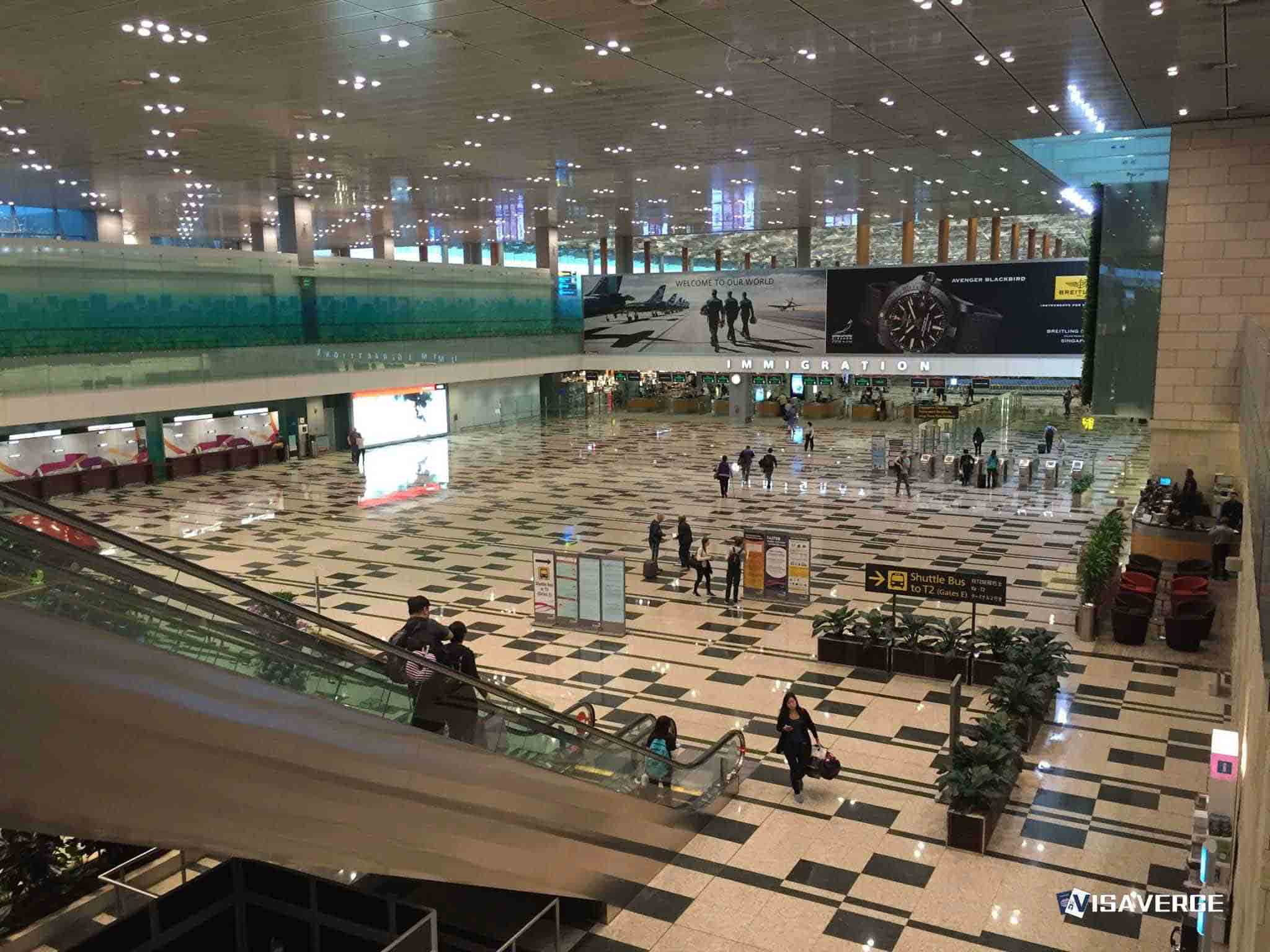
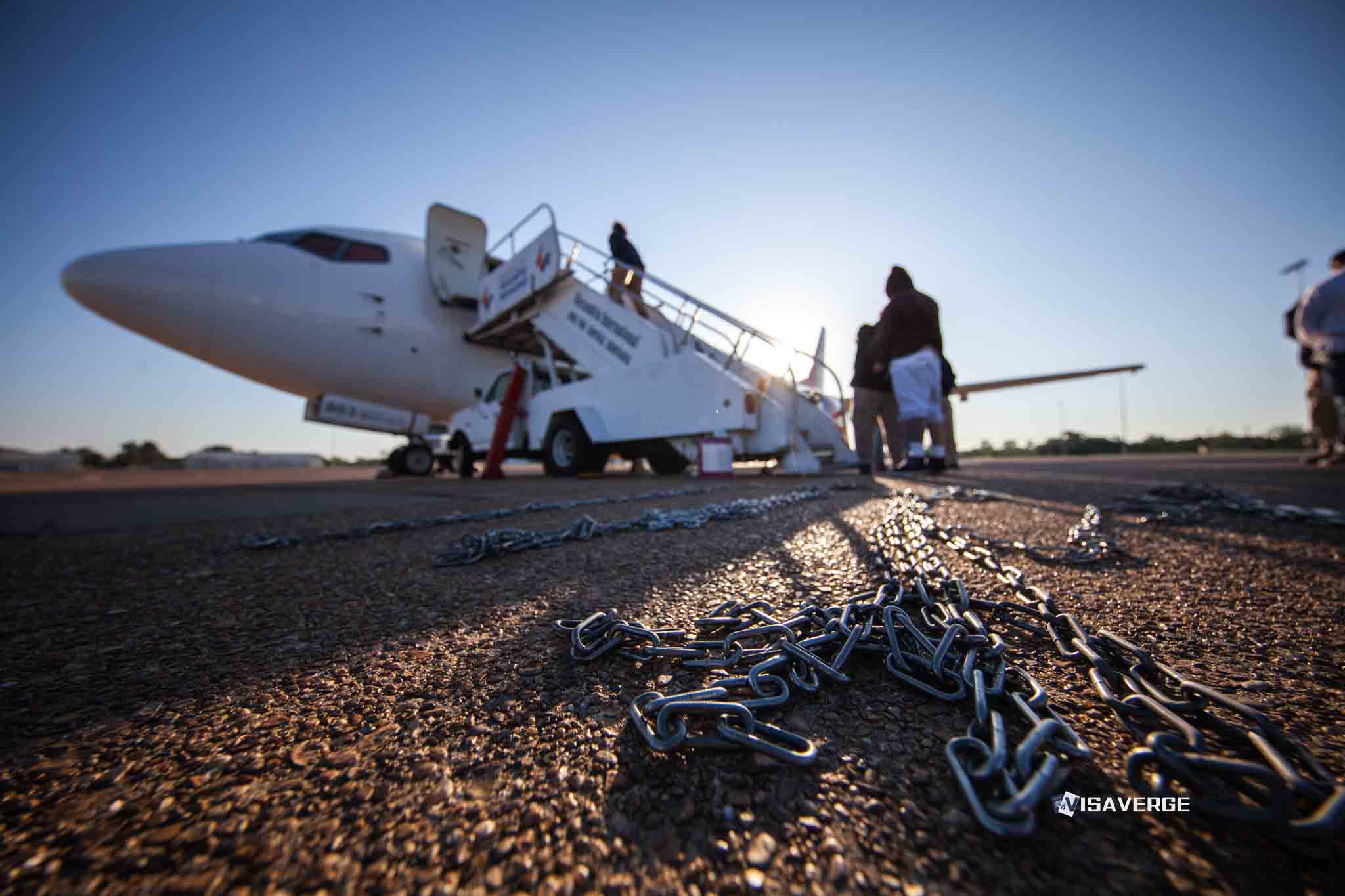
ICE airport arrests have expanded beyond travelers with expired U.S. visas to include people with pending immigration applications, according to attorneys cited in new reporting. The New York Times reported on July 28, 2026 that the airport enforcement pattern has been documented at at least 15 airports.
- The New York Times reported on July 28, 2026 that the Trump administration has been apprehending foreign nationals with expired U.S. visas while they transit through airports, including spouses of American citizens.
- Immigration lawyers quoted in later coverage said ICE has also been arresting travelers at airports who have pending asylum, green card, and other benefit requests.
- Reuters reported that ICE apprehended over 800 individuals based on information from federal airport security personnel from the start of the Trump administration through February 2026.
ICE has expanded airport enforcement, with reporting showing arrests at at least 15 airports and a broader focus on travelers with expired U.S. visas. ABC News reported an ICE memo documenting at least 27 arrests in airports across at least nine states, including actions at check-in counters, arrival gates, and other airport areas.
- The enforcement push now reaches people with expired visas, including some spouses of U.S. citizens, according to documents reviewed by The New York Times and immigration attorneys.
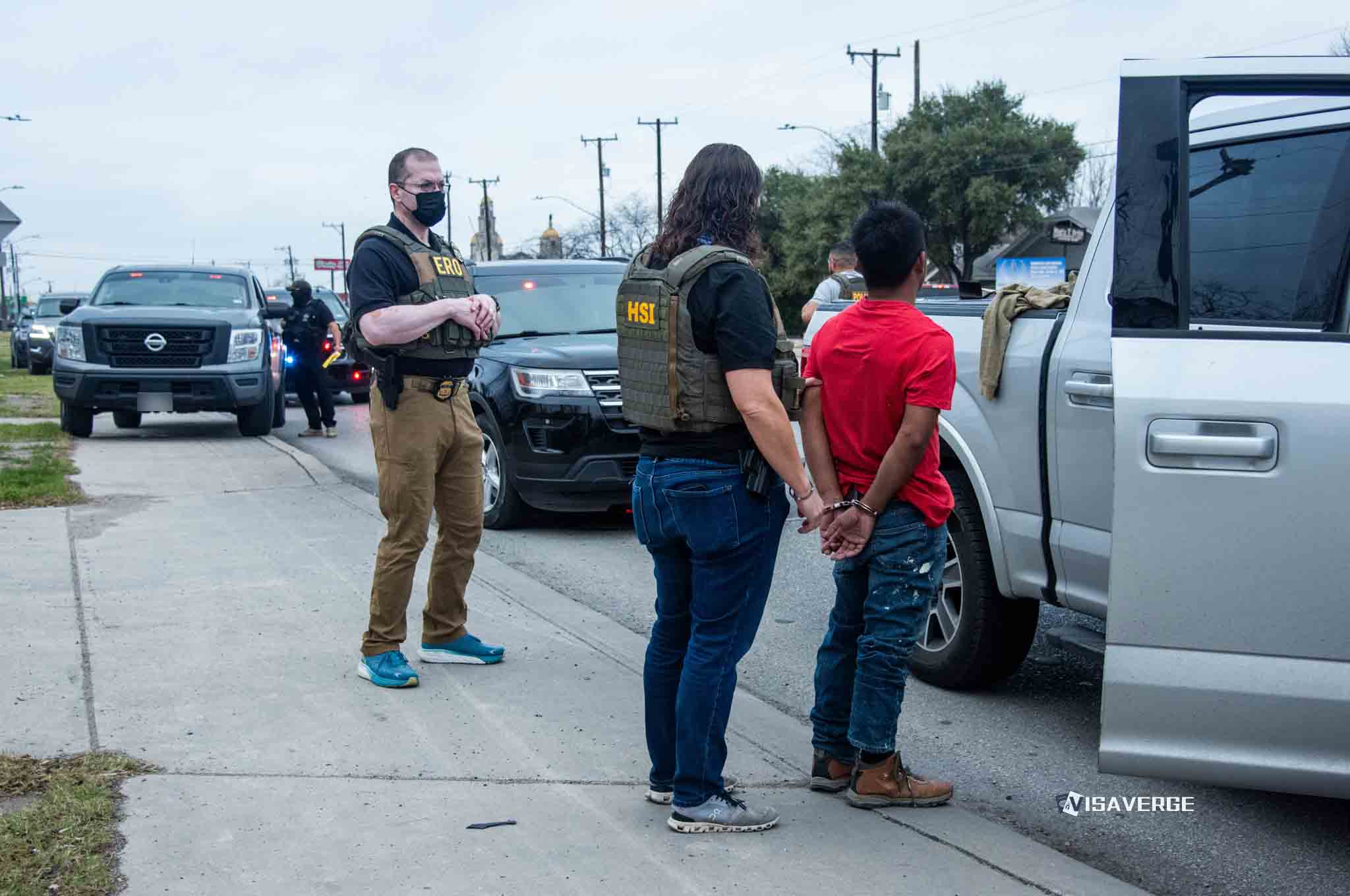
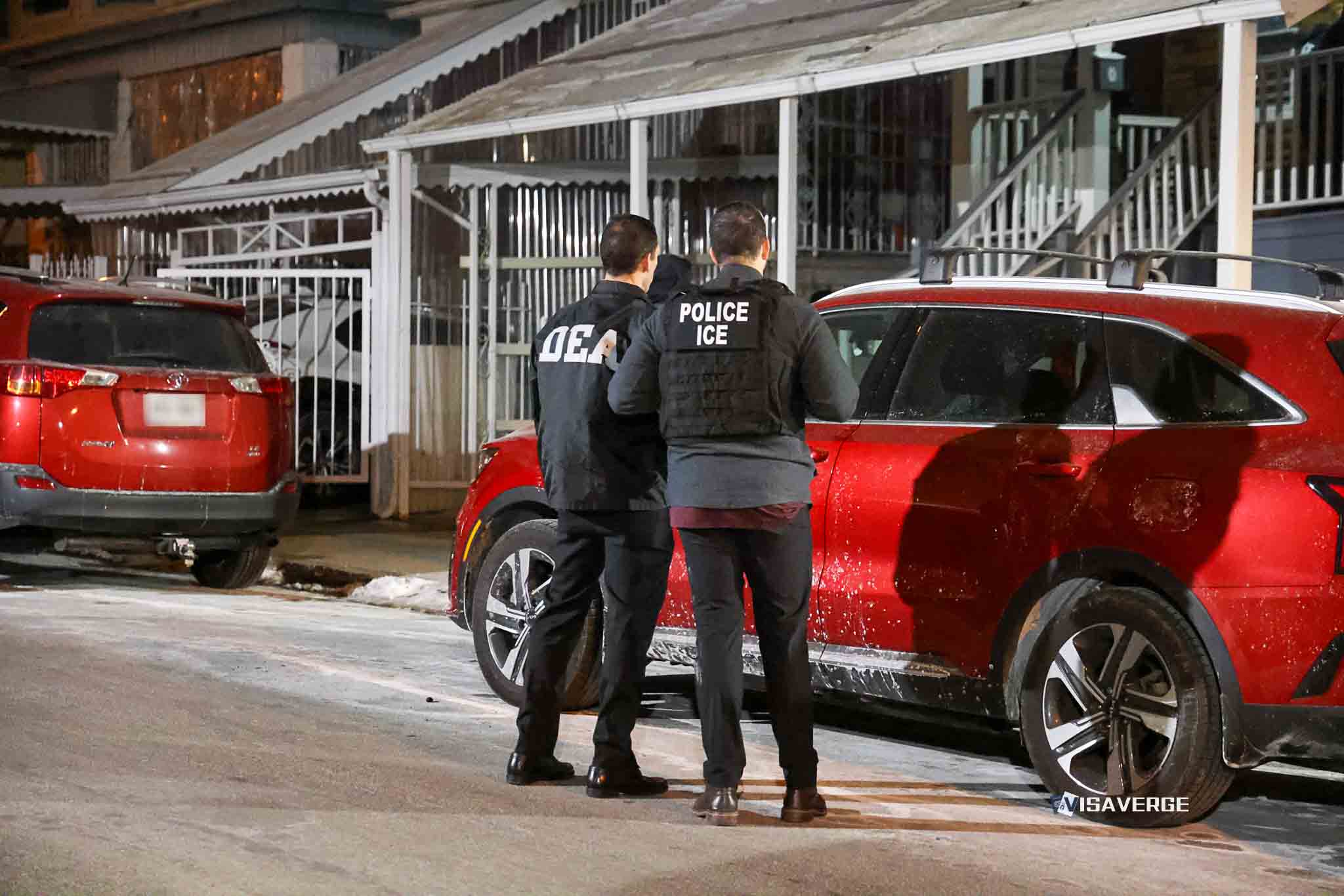
- ICE agents have been reported operating in plain clothes and making arrests at check-in counters, arrival gates, and other airport locations.
- The airport arrests have been described as part of a broader DHS/ICE effort to increase removals and identify status violations during travel.
- An expired visa stamp is now a direct airport enforcement risk, and reporting says ICE has used airport encounters to identify and arrest travelers with status problems.
1 earlier update
ICE airport arrests have expanded beyond travelers with expired U.S. visas to include people with pending immigration applications, according to attorneys cited in new reporting. The New York Times reported on July 28, 2026 that the airport enforcement pattern has been documented at at least 15 airports.
- The New York Times reported on July 28, 2026 that the Trump administration has been apprehending foreign nationals with expired U.S. visas while they transit through airports, including spouses of American citizens.
- Immigration lawyers quoted in later coverage said ICE has also been arresting travelers at airports who have pending asylum, green card, and other benefit requests.
- Reuters reported that ICE apprehended over 800 individuals based on information from federal airport security personnel from the start of the Trump administration through February 2026.
- Federal agents are targeting travelers with expired visas at airport checkpoints and boarding gates.
- Over 800 arrests occurred between January 2025 and February 2026 via passenger data sharing.
- The administration aims for 2,000 arrests daily using terminals as controlled enforcement environments.
Federal immigration officers are targeting travelers with expired visas at airports, including some people with pending asylum cases, work authorizations, or green card applications. Homeland Security documents and immigration attorneys describe the arrests as part of a wider Trump administration enforcement campaign.
| India | China | ROW | |
|---|---|---|---|
| EB-1 | Feb 01, 2023 | Aug 01, 2023 ▲31d | Current |
| EB-2 | Nov 01, 2013 | Oct 01, 2021 | Apr 01, 2025 ▲90d |
| EB-3 | Jan 22, 2014 ▲21d | Jan 22, 2022 ▲14d | Jun 15, 2024 ▲31d |
| F-1 | Jan 22, 2021 ▲366d | Jan 22, 2021 ▲366d | Jan 22, 2021 ▲366d |
| F-2A | Oct 22, 2026 ▲30d | Oct 22, 2026 ▲30d | Oct 22, 2026 ▲30d |
The operations can affect domestic flights. Officers have detained people at check-in counters, boarding gates, and security checkpoints while they tried to travel.
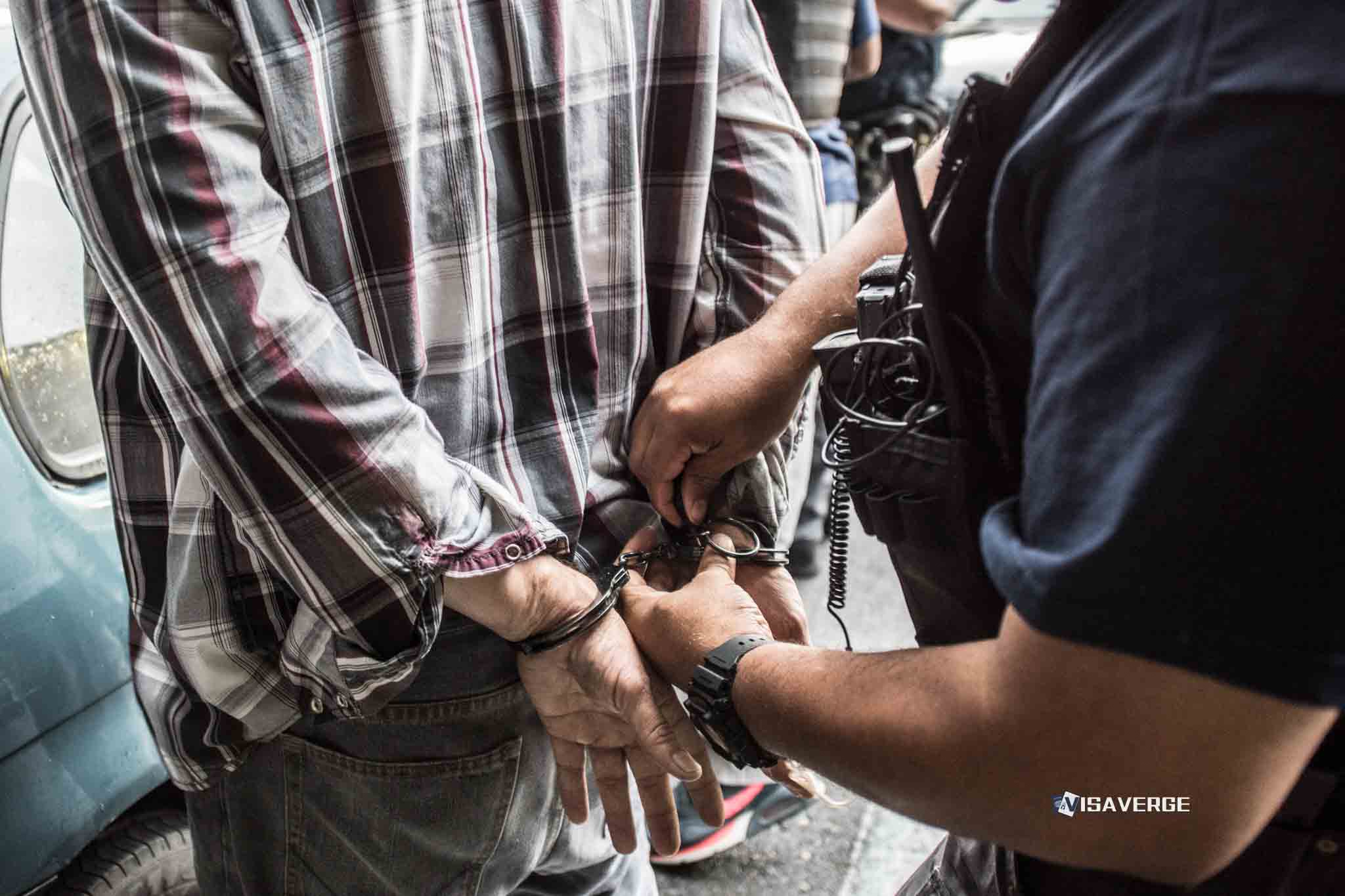
The Transportation Security Administration shares passenger manifest data with the agency multiple times per week through the Secure Flight Program. The information includes names and photos. Internal data shows more than 800 arrests at airports between January 2025 and February 2026 based on those tips.
The approach reaches people who historically were not prioritized for deportation. Some are waiting for immigration benefits or a decision on their status.
A Department of Homeland Security spokesperson confirmed the policy July 28. The statement said the administration wants people in the country illegally to use air travel only to leave the United States voluntarily.
“This administration is working diligently to ensure that aliens in our country illegally can no longer fly unless it is out of our country to self-deport”
The statement makes immigration status relevant to domestic travel, not only international departures. Armed officers are now stationed at security checkpoints, a deployment described as the first of its kind in U.S. history.
Officials have tied airport operations to a broader arrest campaign
DHS Secretary Markwayne Mullin said July 17 that the enforcement drive would expand.
“We’re turning up the heat on the streets. The ICE crackdown will intensify”
Border Czar Tom Homan gave a similar warning June 9 while discussing the Secure America Act.
“When this reconciliation passes. You’re going to see targeting increase, you’re going to see arrests increase”
Homan also confirmed in March that agents had been sent to terminals and security lines while helping address Transportation Security Administration staffing shortages. He said they would remain there “until the airports feel like they are 100%.”
The administration has reportedly directed immigration officials to pursue 2,000 arrests per day nationwide. Terminals offer a controlled setting, officials say, where arrests require “reduced personnel” and involve “minimal physical risk” compared with neighborhood raids.
Passenger records give officers repeated opportunities to identify travelers
The Secure Flight arrangement provides recurring access to passenger information. The transfers happen multiple times per week, giving officers repeated leads on people whose immigration records may show an expired status.
The data-sharing system has produced arrests across the period covered by the internal figures. More than 800 airport arrests occurred from January 2025 through February 2026, according to those records.
The enforcement also reaches legal gray areas. Attorneys have described people awaiting visa extensions being detained as they checked in or approached gates.
Some affected travelers have stronger connections to the United States. Reports include spouses of U.S. citizens and people traveling for family emergencies, including funerals.
New funding and a departure app reinforce the enforcement effort
Congress has supplied additional money for the campaign through two major measures. The figures and programs include:
| Measure or program | Amount or benefit | Timing or duration |
|---|---|---|
| One Big Beautiful Bill Act | $170.7 billion | 2025 |
| Secure America Act | $70 billion | Signed June 10, 2026; funds ICE and CBP through 2029 |
| CBP Home Mobile App | $2,600 exit bonus and forgiveness of fines | Supports voluntary departure, or “self-deportation” |
The Secure America Act fully funds ICE and CBP through 2029. That funding gives the agencies a longer runway for enforcement operations that began expanding during 2026.
The CBP Home Mobile App offers people who voluntarily register to leave the country a payment and relief from fines. DHS presents the program as an alternative route for people seeking to depart without an arrest.
Legal groups describe terminals as “mousetraps”
The American Immigration Lawyers Association, also known as AILA, and the ACLU have warned noncitizens to avoid air travel entirely. The groups describe terminals as “mousetraps,” where passenger information and controlled security areas make arrests easier.
Their warnings extend beyond people with final removal orders. They include travelers waiting for visa extensions, asylum decisions, work authorization, or green card applications.
The airport arrests can also separate families. Spouses of U.S. citizens and people traveling to funerals have been among those swept into the operations.
The March deployment began alongside assistance with staffing shortages at security facilities. Homan’s June warning and Mullin’s July statement connected that presence to a broader effort to increase targeting and arrests.
The Secure America Act funds the enforcement agencies through 2029. The July 28 DHS statement places air travel inside that strategy, with voluntary departure promoted through the app and airport detention available to people the administration considers unlawfully present.