- Court filings allege federal agents used racial slurs during 2025 mass immigration enforcement operations in Los Angeles.
- Body-camera footage and texts reveal derogatory language including terms like ‘tonks’ and ‘wet’ used by ICE personnel.
- Plaintiffs seek an injunction to stop discriminatory profiling of Latinos and working-class individuals during federal raids.
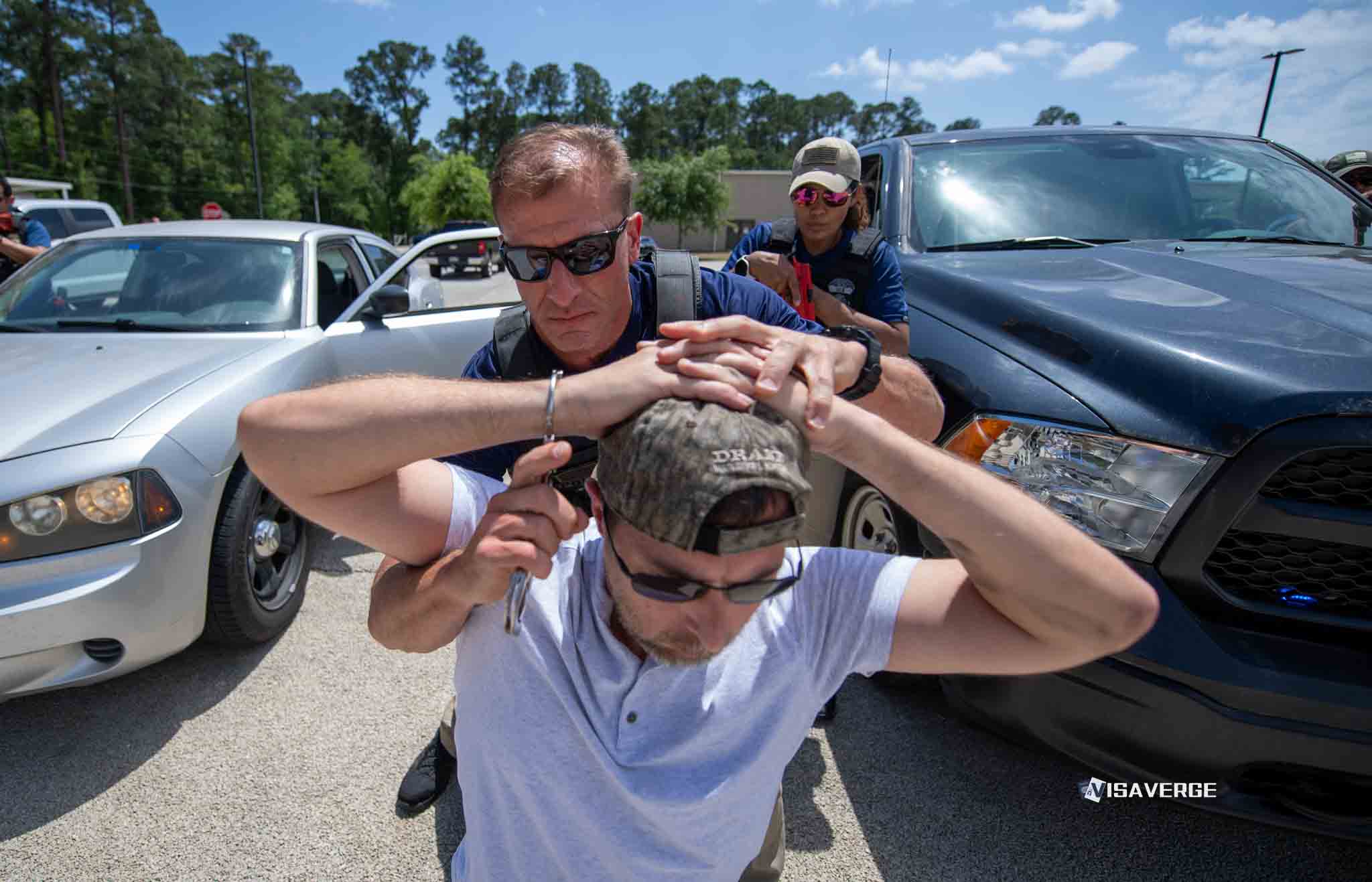
Federal immigration agents used racial slurs while conducting mass enforcement operations in Los Angeles, according to court filings submitted July 27 and 28, 2026, in the lawsuit Vasquez Perdomo v. Noem.
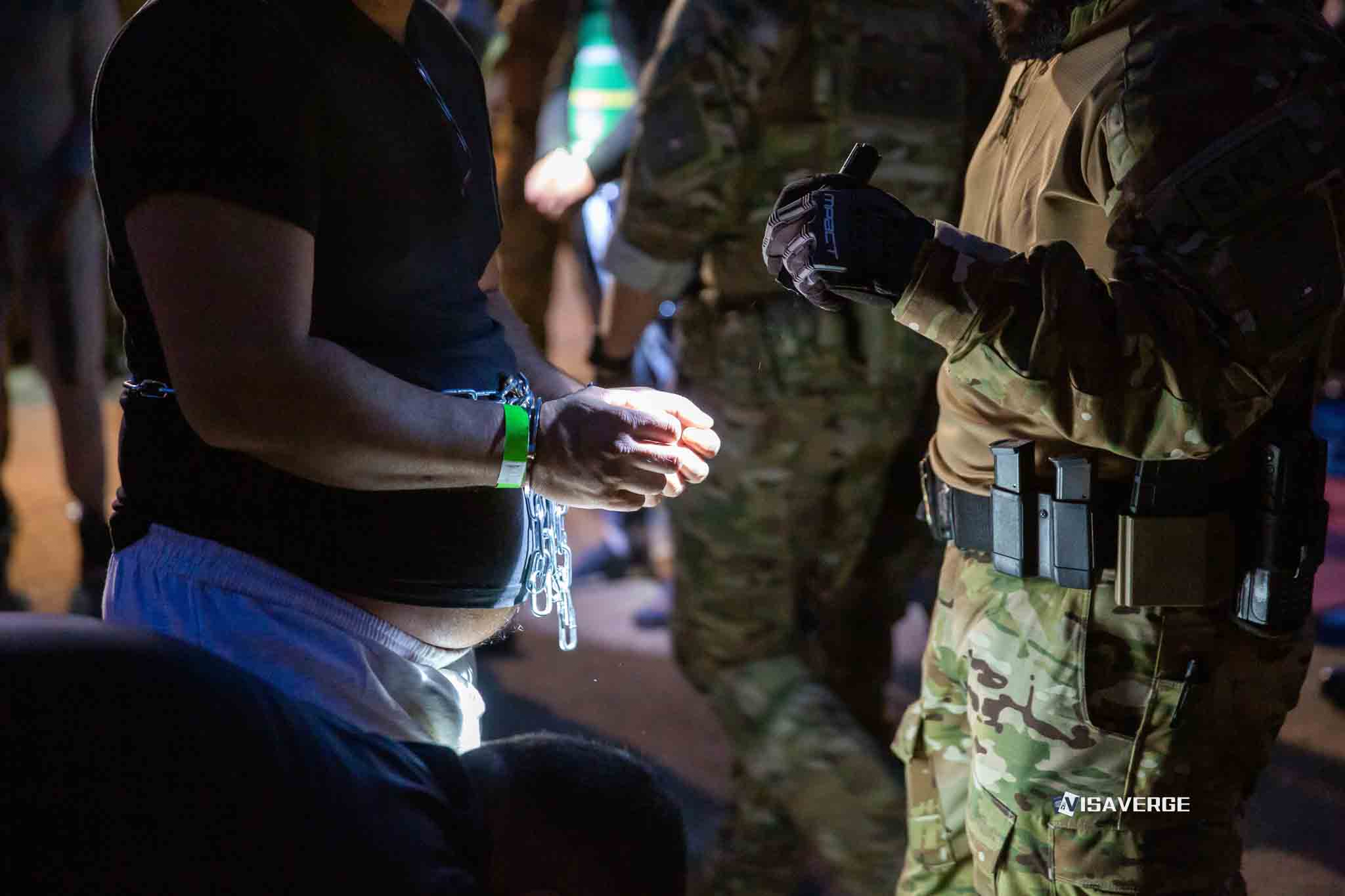
The records include body-camera footage and forensically recovered text messages from the 2025 enforcement surge known as “Operation at Large.” Civil rights attorneys say the material shows a pattern of racial profiling. The allegations involve ICE agents and U.S. Border Patrol personnel.
Free toolUSCIS Receipt Number Decoder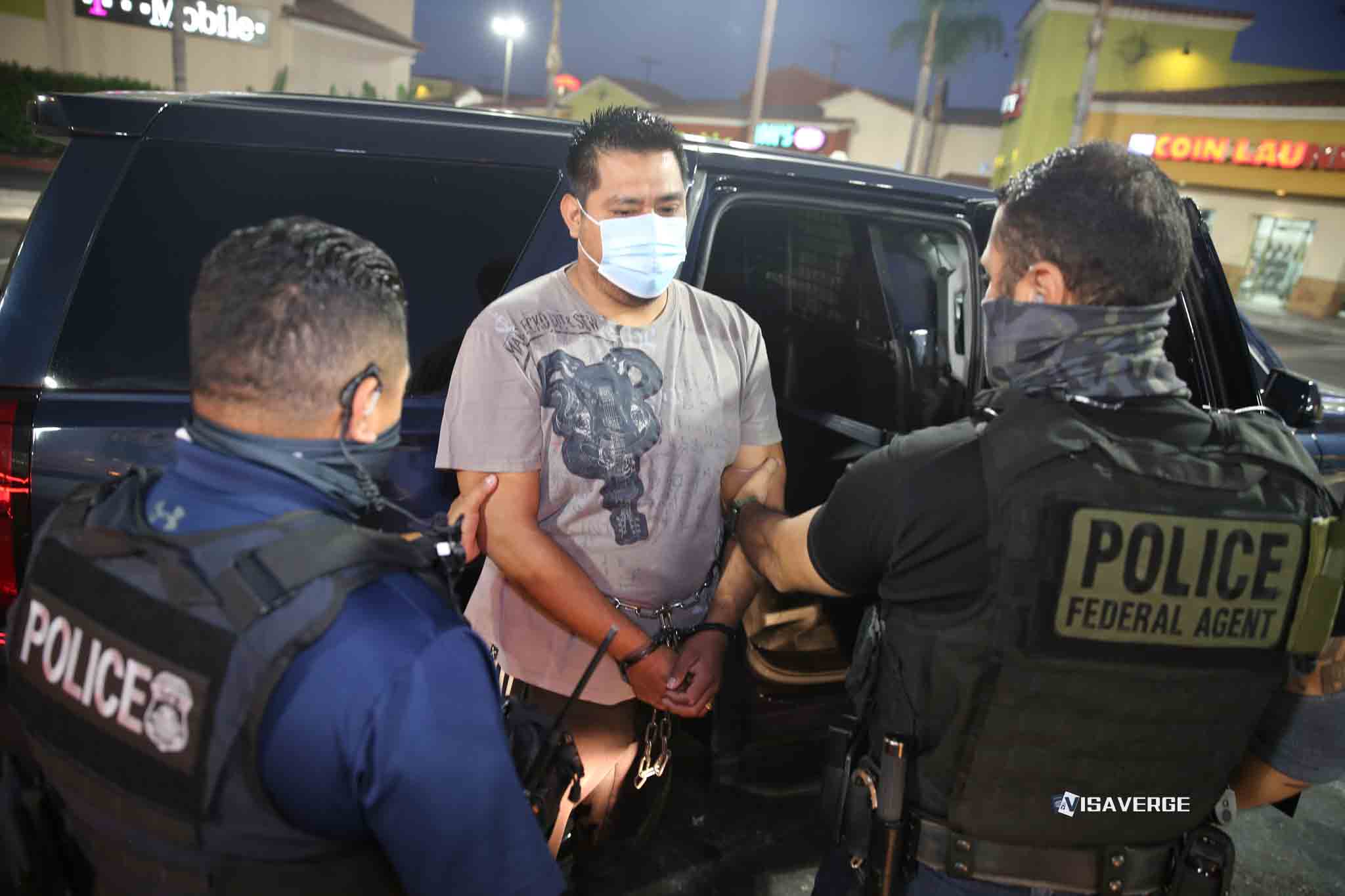
One body-camera recording captures a Border Patrol agent at a Hollywood Home Depot saying: “There was a guy, I'm pretty sure he's wet. he was just sitting in that minivan.” The term “wet,” or “mojado,” is a shortened form of the “wetback” slur.
Other records use the term “tonks.” One message says, “Yeah, just plug us in wherever you see some tonks and we'll jump out.” Another agent wrote about seeing “tonks everywhere selling food.”
The Department of Homeland Security rejected the allegations. In a July 28 statement, a DHS spokesperson said:
"Our agents are focused on protecting the American people — not entertaining performative outrage. Where is the media's outrage for Angel families who lost a loved one to illegal alien crime?"
DHS also said immigration enforcement relies on legal status rather than race or ethnicity. The department has described the racial-profiling allegations as unfounded and directed attention to victims of immigrant-related crimes in statements carried in its newsroom.
Court records connect the language to enforcement tactics
The filings challenge “Operation at Large,” a Southern California enforcement campaign that began during the summer of 2025. An ICE agent acknowledged in a deposition that current operations are essentially “the same thing [as Operation at Large] just with a different name.”
Records also describe how agents chose enforcement locations. They suggest officers searched Google for car washes, Home Depot parking lots and other places where day laborers, primarily Latino workers, might gather.
That evidence conflicts with the federal government’s earlier position before the U.S. Supreme Court. Government lawyers argued that agents relied on specific intelligence and individualized suspicion when making stops. The filings instead describe stops driven by “suspicionless and discriminatory” profiles based on Latino appearance and socioeconomic status.
The records also point to prior agency guidance. U.S. Customs and Border Protection issued instructions in 2019 stating that “the term 'tonk' is not appropriate” and that “CBP does not condone its use.” The word nevertheless appeared frequently in records from 2025.
Plaintiffs describe stops involving citizens and workers
The lawsuit’s filings describe arrests and physical encounters involving people who were waiting for work or identified themselves as U.S. citizens.
In June 2025, agents arrested three men at a bus stop as they waited for work. In a separate incident, masked agents twisted a fourth plaintiff’s arm and pushed him against a gate after he said he was a U.S. citizen.
The ACLU and other advocacy groups argue that the conduct continues. An ACLU motion says agents patrol the Central District of California with covered faces and detain people who fit a profile they consider “suspicious,” including people who appear Latino and come from working-class backgrounds.
The alleged raids also affected nearby businesses. A UCLA study cited in related filings found that Latino-owned small businesses in Los Angeles County experienced major declines in foot traffic and millions of dollars in lost revenue during the June 2025 raids.
Judge orders discovery as plaintiffs seek an injunction
U.S. District Judge Maame Ewusi-Mensah Frimpong ordered the discovery after the Supreme Court stayed a temporary restraining order in the case last September. The resulting records include the video, text messages and deposition testimony now cited by the plaintiffs.
The ACLU and allied groups are seeking a preliminary injunction that would bar agents from stopping people based on race or working-class appearance. The request places the disputed enforcement practices before the district court while the broader lawsuit continues.
This article provides general information and is not legal advice. Consult a qualified immigration attorney about your specific case.