- A federal judge held the DHS in civil contempt for delaying a court-ordered review of phone records.
- The agency must pay a five hundred dollar daily fine until it complies with discovery requirements.
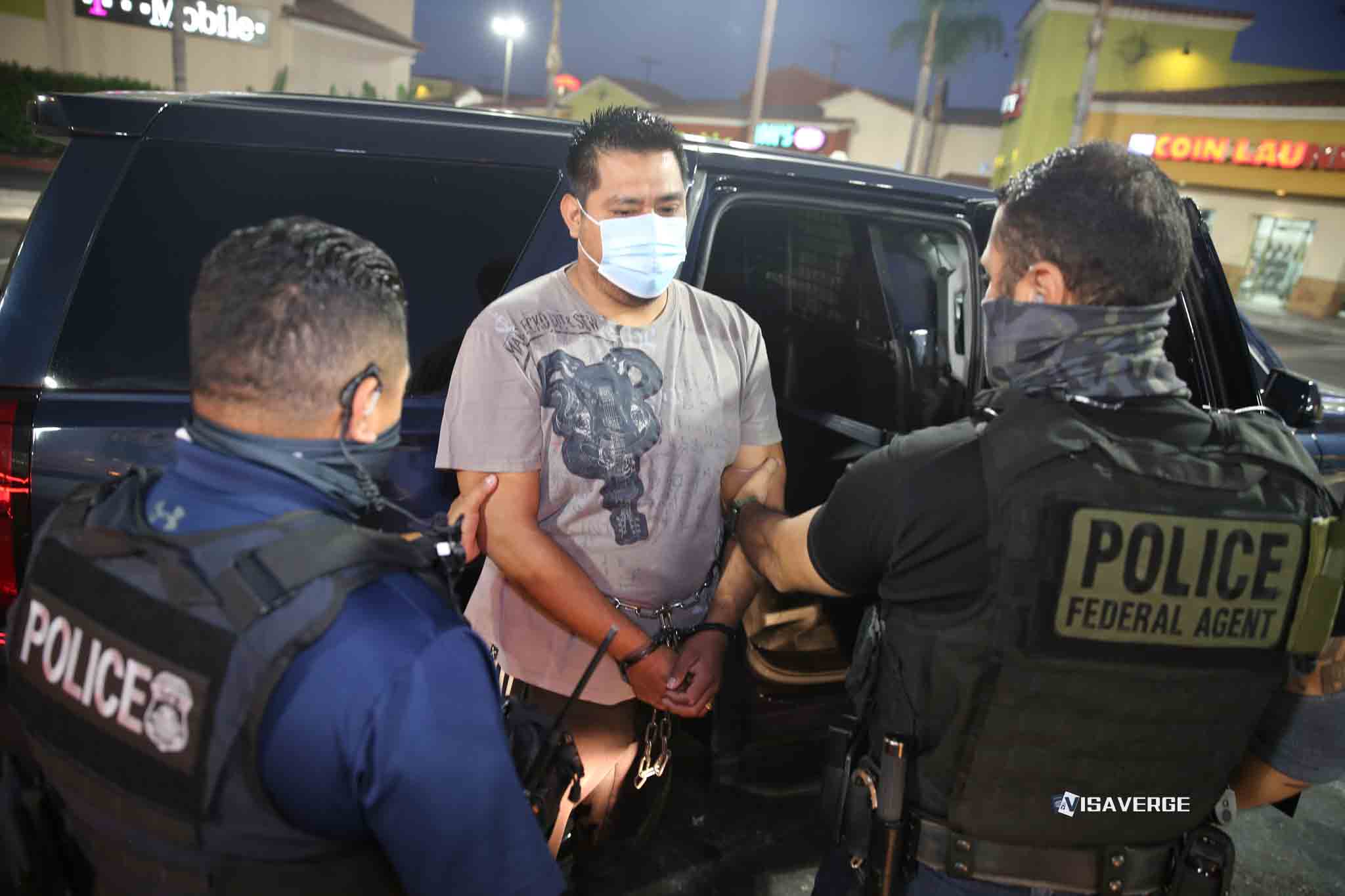
- The case stems from allegations of unlawful roving patrols and racial profiling during 2025 Los Angeles enforcement sweeps.
A federal judge in California held the Department of Homeland Security in civil contempt after finding that officials delayed a court-ordered review of phones used by immigration agents during 2025 enforcement sweeps in Los Angeles.
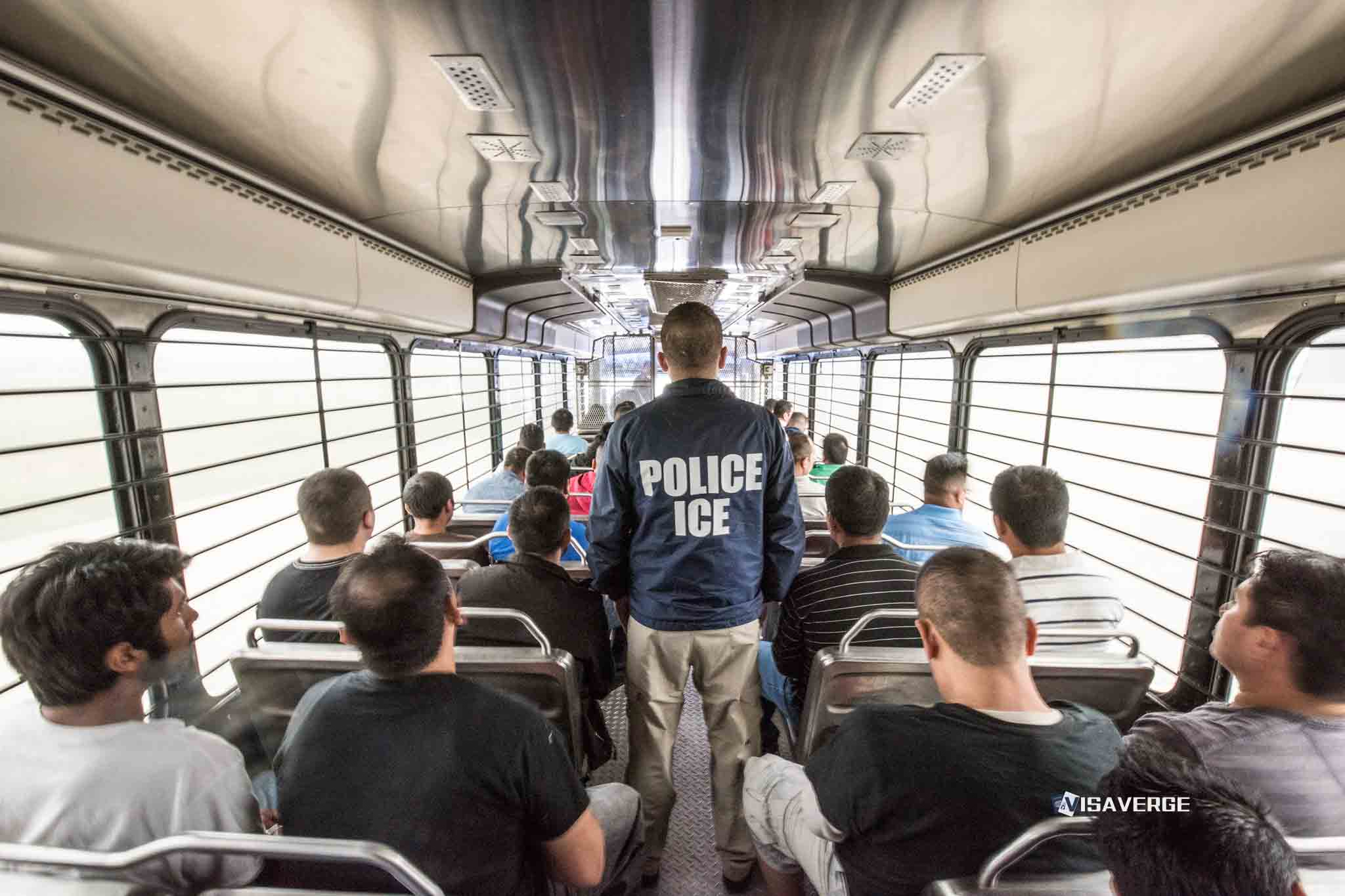
U.S. District Judge Maame Ewusi-Mensah Frimpong unsealed the order Tuesday, August 4, 2026. The order, filed July 28, says the agency “slow-rolled” a January directive requiring searches of personal and government phones used by more than 800 agents.
Free toolUSCIS Receipt Number Decoder
The judge ordered the government to pay a $500 per day fine until it complies. The government must also reimburse plaintiffs’ attorneys for the costs of seeking the records.
The first payment has already been made. Justice Department lawyers told the court Tuesday that they submitted $3,500 for the initial week of noncompliance.
The records concern communications from agents involved in Operation At Large, a group of 15 identified immigration enforcement actions in Los Angeles during 2025. Plaintiffs say the messages could show how agents selected people for stops and arrests.
The case began as a class-action lawsuit brought by the ACLU of Southern California, Public Counsel and other advocacy groups. The plaintiffs allege that federal agents conducted unlawful “roving patrols” and used racial profiling during the operations.
The Justice Department defended the administration’s enforcement program after the ruling. In a statement issued August 5, it said:
“We are aggressively defending the President’s immigration priorities and expect to prevail in this case, as we already did once at the Supreme Court. The district court is defying that decision by pressing forward despite the Supreme Court’s clear ruling that it likely lacks jurisdiction.”
The agency also rejected criticism of its conduct. In a statement issued August 4, it said:
“Our agents are focused on protecting the American people — not entertaining performative outrage. Where is the media's outrage for Angel families who lost a loved one to illegal alien crime?”
The phone records sit at the center of the dispute
Judge Frimpong’s order addresses evidence collection, not a final ruling on whether individual stops or arrests violated the law. The January order required the government to search phones used by agents during the Los Angeles operations, including personal devices.
Plaintiffs argue that text messages could reveal patterns of targeting based on appearance, language or occupation. They specifically point to manual laborers as a group they say may have faced “indiscriminate” stops.
The records could shape later litigation. Plaintiffs say the discovery may support individual lawsuits by people allegedly stopped or arrested unlawfully, including U.S. citizens and legal residents.
The dispute also reaches the Supreme Court. The high court previously stayed a temporary restraining order that would have limited stops based on race. The government argues that the Supreme Court’s decision showed that the district court likely lacks jurisdiction.
Frimpong reached a narrower conclusion on the discovery fight. Her ruling said the Supreme Court’s action did not excuse the agency from complying with legal requirements to preserve and produce evidence related to alleged misconduct.
Enforcement officials say the sweeps will continue
The administration has defended the Los Angeles operations as part of its public-safety and immigration priorities. Assistant Secretary Tricia McLaughlin made that case in September 2025, after the enforcement actions.
“This is a win for the safety of Californians and the rule of law. DHS law enforcement will not be slowed down and will continue to arrest and remove the murderers, rapists, gang members, and other criminal illegal aliens.”
The contempt order does not halt the enforcement actions described in the lawsuit. It applies financial pressure while the government addresses the phone-search directive.
A separate order issued in July 2026 placed another restriction on the government’s conduct during the sweeps. It barred agents from using force to stop journalists and legal observers from documenting the operations.
That order placed transparency alongside the phone dispute. The plaintiffs are seeking evidence about what agents did in the field and how officials recorded or communicated about those actions.
The daily fine will continue until compliance
The financial sanction continues at $500 each day until the government fully complies with the discovery order. The separate reimbursement requirement covers the plaintiffs’ legal costs tied to obtaining the records.
The government’s initial $3,500 payment covered the first week of noncompliance, according to the Justice Department lawyers’ confirmation on August 4. Further daily penalties depend on when the agency completes the ordered work.
The case therefore moves forward on two tracks. The government is challenging the district court’s authority, while the plaintiffs continue seeking phone evidence from the 2025 operations.
The court’s handling of that evidence may affect claims involving people who say agents targeted them because of their appearance, language or work. The July order protecting documentation by journalists and legal observers remains part of the case’s broader focus on conduct during the sweeps.
This article provides general information and is not legal advice. Consult a qualified immigration attorney about your specific case.