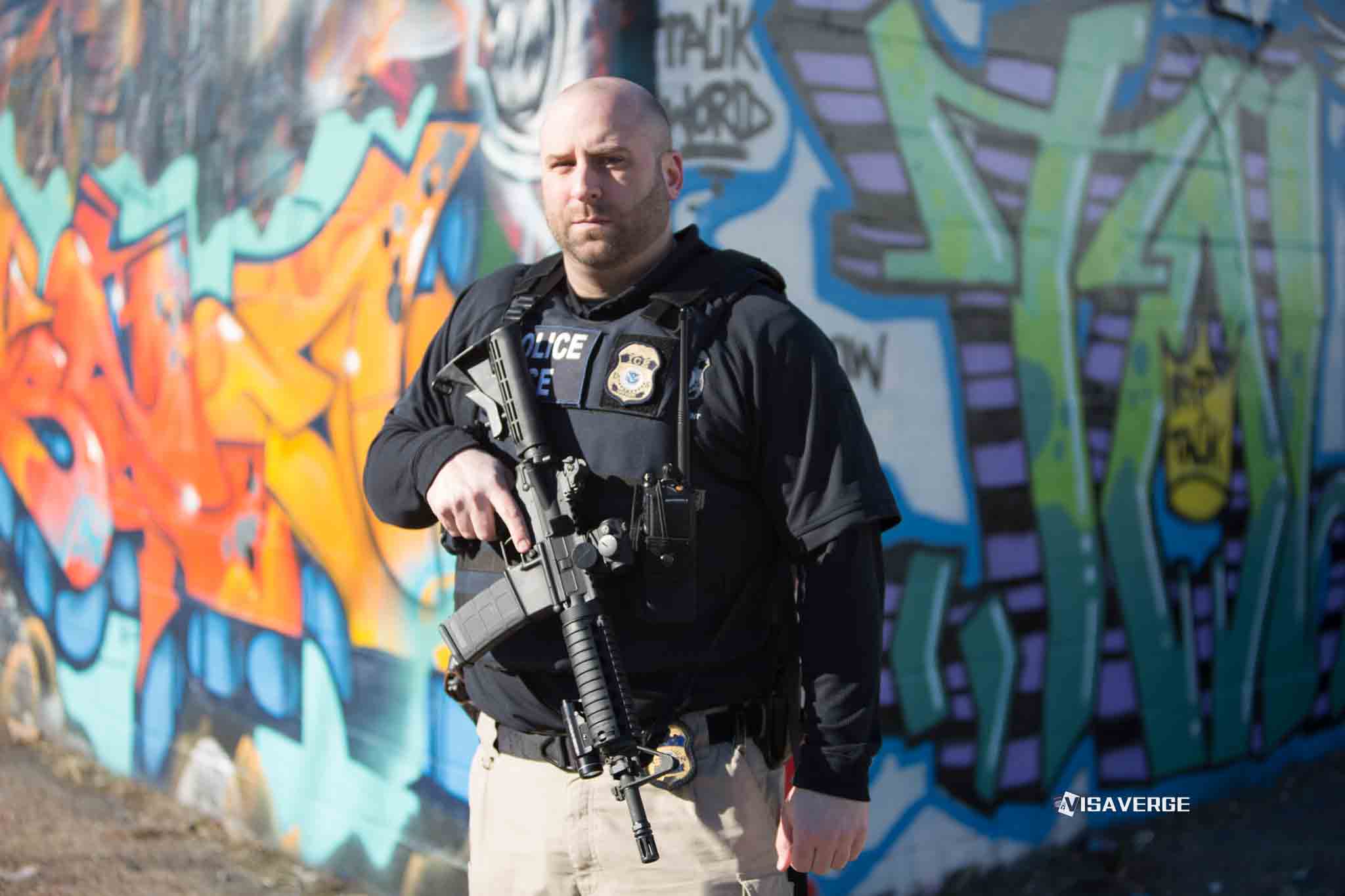
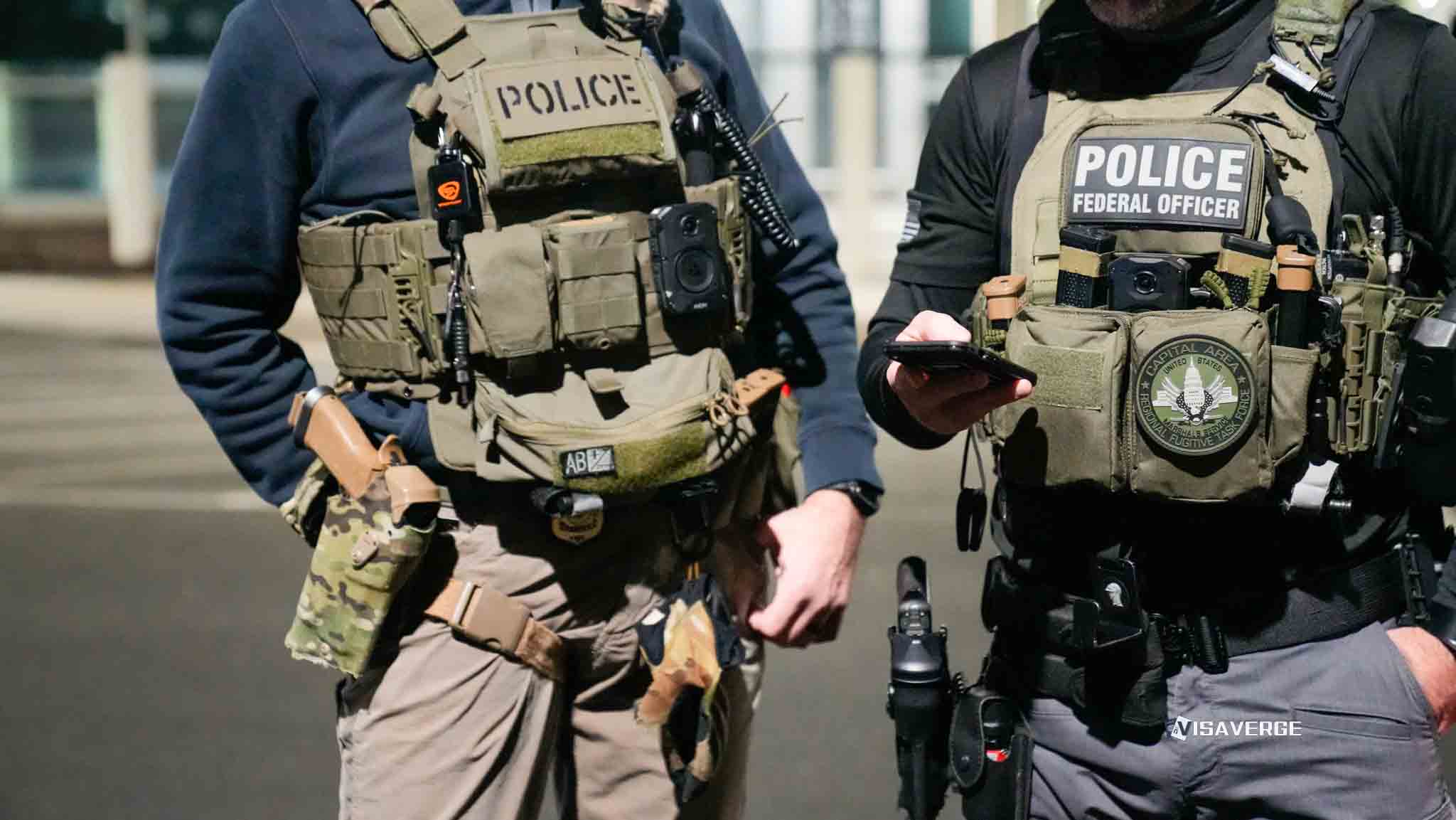
A Senate investigation has found that immigration agents have repeatedly detained and mistreated U.S. citizens during enforcement operations this year, documenting over 170 cases this year in which Americans were swept up, abused or held for days despite proof of their citizenship. The findings were released by Senate Democrats after a ProPublica investigation in October 2025 raised alarms about the scale of the problem.
The report directly undercuts claims by the Trump administration that citizens were not being targeted by immigration crackdowns. It paints a picture of masked agents using aggressive tactics, refusing to accept valid documents and often operating in neighborhoods where Latino and African-American residents say they already feel under siege.
Patterns and witness accounts
Witness accounts collected by congressional investigators describe disturbing patterns and repeated tactics.
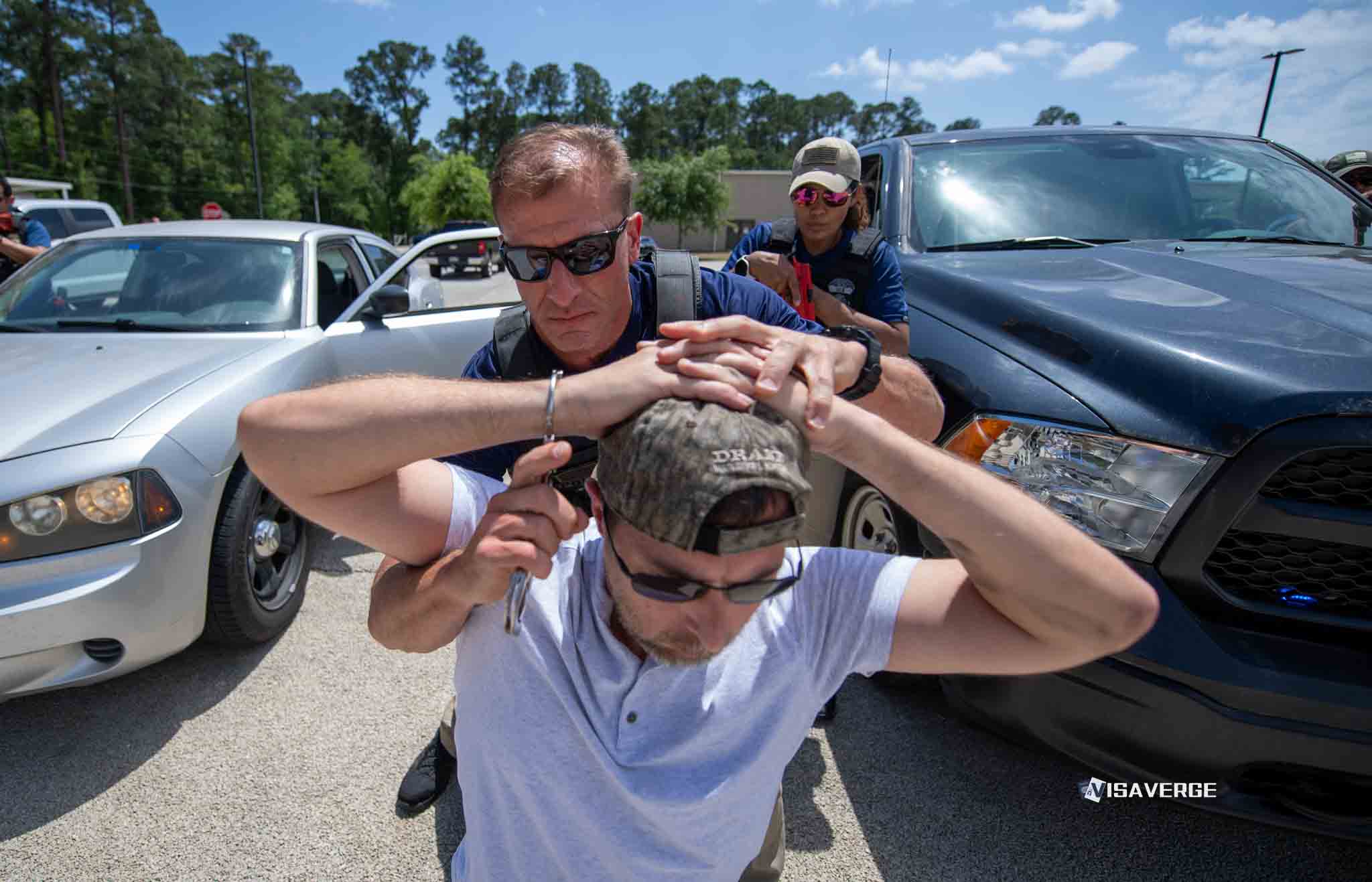
Free toolCSPA Age-Out Calculator Online- Citizens dragged from cars, zip-tied during pre-dawn raids, and held for days without access to lawyers or family members.
- Reports of physical abuse: beatings, taser use, shootings and denial of medical care while in custody.
- Children swept up in operations, with some minors reportedly held for weeks without legal access.
- Several families reported agents pointing guns at young children during chaotic raids.
Investigators noted many accounts shared similar details: citizens pleading that they were born in the United States while officers ignored them, refused to check records and proceeded with detention.
“Brutality and physical violence” — Senator Richard Blumenthal (Connecticut), who led the Senate inquiry, said the stories gathered by his staff should shock the public and force a rethinking of how immigration raids are carried out.
Individual cases: Anabel Romero (Idaho)
Among those detained and mistreated U.S. citizens was Anabel Romero from Idaho. Romero told investigators that armed agents stormed her home, threatened to “fucking blow your head off,” and zip-tied her 14-year-old daughter during a raid that left the family terrified and unsure where to turn.
Her account mirrors others in the report: officers appearing unwilling to consider proof of citizenship even when people produced passports, birth certificates or Social Security cards.
Geographic patterns and local reactions
The investigation points to patterns of racial profiling and unconstitutional stops, especially in large cities:
- Los Angeles and Chicago were singled out for heavy targeting of Latino and African-American communities.
- In Los Angeles alone, officials logged more than 250 instances of alleged misconduct or abuse by immigration agents.
- Tactics reported include the use of unmarked vehicles, agents wearing masks, and aggressive methods that local leaders say create a climate of fear.
Long Beach Mayor Rex Richardson described the tactics as a form of “state-sponsored intimidation.” Representative Robert Garcia has called for bans on the use of masks and unmarked vehicles in immigration operations, and has backed demands for fresh congressional investigations and lawsuits to force federal agencies to change course.
Congressional response and oversight efforts
In response to complaints, congressional Democrats have taken several steps:
- Set up a national database to track alleged misconduct by Immigration and Customs Enforcement officers.
- Purpose: build a fuller record of abuse and civil rights violations to support court cases and legislation.
- Status: lawmakers say the database is already collecting reports nationwide and could show whether the over 170 cases this year represent only a fraction of the true number affected.
- Senator Jon Ossoff (Georgia) and 13 other senators wrote to DHS Secretary Kristi Noem, accusing the agency of blocking oversight by denying or delaying congressional visits to detention centers and withholding data about detention conditions.
- Their letter cites more than 510 credible reports of abuse in detention, including deaths, sexual assault, medical neglect and family separations.
- They demand that DHS stop obstructing inspections and turn over records that could show whether practices violate federal law and the Constitution.
DHS response and official stance
The Department of Homeland Security continues to insist that its officers do not target citizens and that operations remain within constitutional bounds.
- DHS spokespeople have repeatedly said: “criminal illegal aliens are not welcome in the U.S.”
- They have labeled claims that agents are going after citizens as “FALSE,” arguing that individual mistakes do not show a broader pattern and that internal procedures exist to address misconduct.
- Official information about the department’s mission and enforcement policies is posted on the Department of Homeland Security website.
Critics in Congress argue that public statements do little to address the detailed accounts emerging from raids, traffic stops and detention centers.
Origins of the Senate report and broader analysis
The Senate report grew out of an October 2025 ProPublica investigation that first compiled stories of U.S. citizens stopped, detained or injured during immigration sweeps. That reporting gave senators a starting point for their own inquiry.
According to analysis by VisaVerge.com, the pattern described in the Senate document suggests that incidents like those involving Anabel Romero are not isolated, but part of a larger enforcement climate in which agents may feel empowered to act first and ask questions about status later.
For citizens facing armed officers at their doors or in their driveways, the distinction between immigration enforcement and regular policing can quickly blur—especially when masked agents in unmarked cars refuse to identify their agency or explain reasons for detention.
Human impact and community consequences
Families caught in these operations reported consistent harms:
- Often no information about where relatives were being held or how to contact them.
- Delays of days before authorities confirmed whether a loved one was in custody, missing or deceased.
- Community leaders say parents now hesitate to drive children to school or visit doctors, fearing that a wrong turn, a broken taillight or a knock on the door could lead to handcuffs regardless of legal status or citizenship.
Lawmakers behind the Senate inquiry argue that the collected accounts amount to evidence of:
- Excessive force
- Unlawful detention
- Racial profiling
- Other violations of constitutional protections meant to apply to everyone in the United States ??, citizen or not
They have called for:
- Expanded access to detention facilities
- Fuller data on who is being stopped and for how long
- Limits on tactics such as masks and unmarked vehicles that obscure agency identity and authority
- Greater DHS cooperation with congressional oversight, timely responses to document requests, and an acknowledgment that the problem is broader than a few “bad actors”
Current political landscape and next steps
The political battle over immigration enforcement is likely to continue.
- DHS defends its strategy and reiterates that “criminal illegal aliens are not welcome in the U.S.”
- Members of Congress continue to highlight stories of citizens who were swept up and demand accountability and transparency about how many people have been wrongly detained.
For families like the Romeros, answers and reforms are urgently needed so they can feel safe in their own homes again.
A Senate investigation, building on ProPublica reporting, found over 170 U.S. citizens detained and mistreated this year, citing aggressive tactics, racial profiling and refusal to accept proof of citizenship. High-incident cities like Los Angeles reported more than 250 allegations. Congress has launched a national database to document ICE misconduct and demanded DHS cooperation and access to detention centers. Lawmakers urge limits on masks and unmarked vehicles and call for independent oversight and better verification protocols.