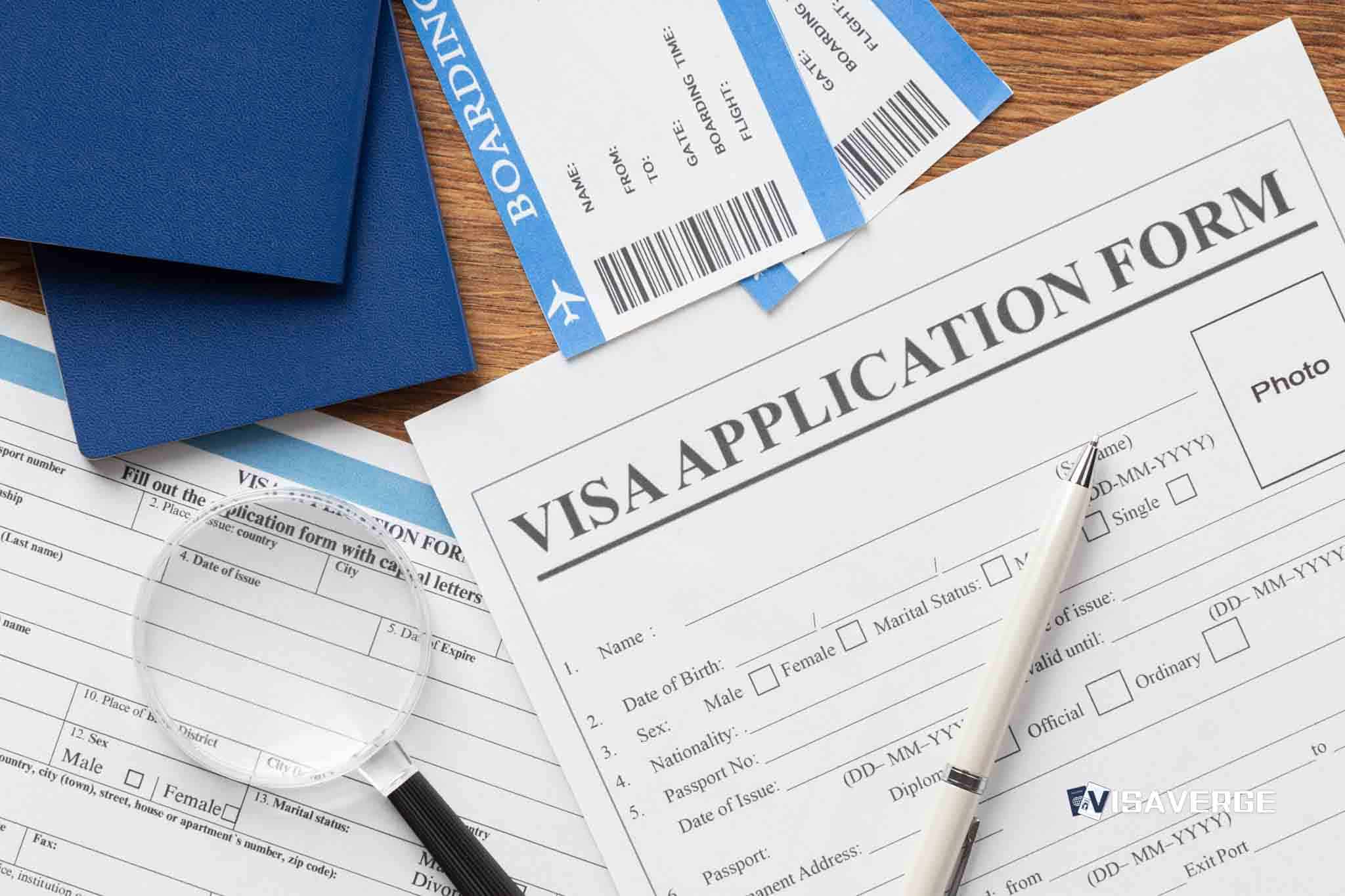
- Omaha immigration courts issued five hundred eighty-three removal orders in June twenty twenty-six during expedited mega master hearings.
- Iowa legal aid groups face a forty percent staff reduction as court cases surge to one hundred per day.
- The Eighth Circuit continues to uphold mandatory detention rules for immigrants while state enforcement laws remain blocked.
A missed appearance at Omaha’s immigration court can end with a removal order entered without the immigrant present. A July 2026 report counted 583 in absentia removal orders there during June, as judges began handling Iowa cases in a format called a mega master hearing.
The hearings bring large numbers of cases before one judge. Reports said judges were processing more than 100 cases per day.
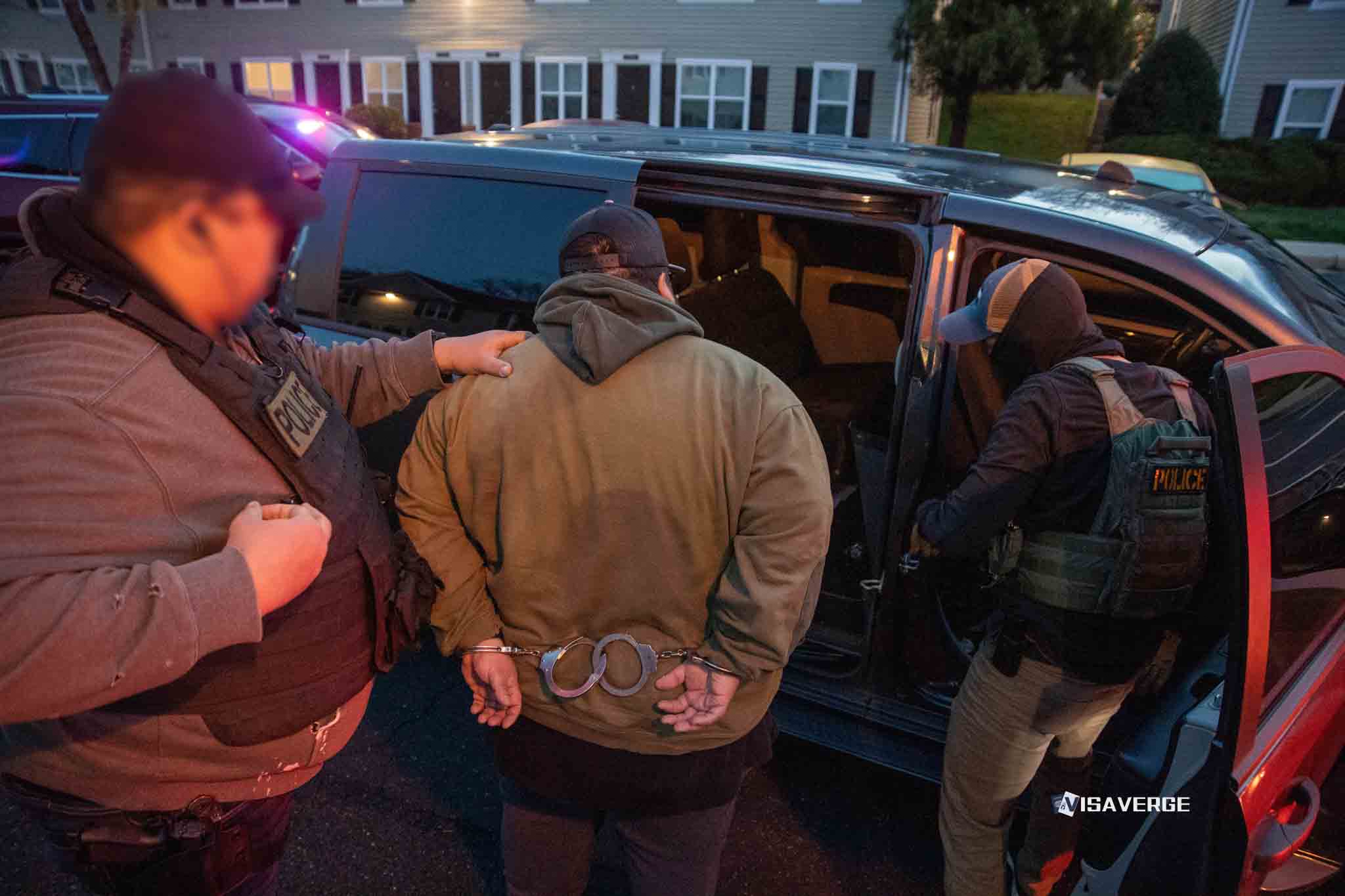
The grouped proceedings have been used for Iowa and Nebraska cases since early June 2026, with about three held each week in Omaha. The court handles most Iowa immigration cases.
Iowa Migrant Movement for Justice said the hearings formally began for the Omaha docket on July 17, 2026. The organization’s legal team was shrinking as the court’s pace increased.
The Executive Office for Immigration Review says grouping cases does not eliminate individual procedures. It says each person remains entitled to notice of the allegations, legal rights and questions involving representation.
A master hearing is generally the first appearance in immigration court. An immigrant can respond to the government’s charges and seek relief, including asylum.
A missed date can lead to an order after notice and removability findings
An immigration judge must make two findings before entering an order because someone failed to appear. The court must determine that proper notice was provided and that the Department of Homeland Security established removability.
That standard makes the hearing notice central to any later challenge. Advocates say some immigrants have not received updated information after their cases were moved to grouped hearings.
The court’s procedural position differs from those allegations. The agency says each case retains individual review even when many matters appear on the same docket.
People facing removal proceedings should attend every scheduled hearing and keep their mailing address current with the court. Anyone who believes a notice problem caused a missed appearance may need prompt legal assistance to examine the hearing record and available remedies.
The June total is a reported court figure, not proof that every order resulted from a notice failure. The available figures also do not establish that the grouped hearings caused Iowa’s broader deportation totals.
| Measure | Reported figure | Period |
|---|---|---|
| Omaha orders entered after missed hearings | 583 | June 2026 |
| Iowans detained by ICE | 1,779 | 2025 |
| Detained Iowans deported | Nearly 90%, or over 1,500 | 2025 |
| Deportations involving Iowans | Over 1,600 | January through March 2026 |
Iowa legal aid is contracting as case volume rises
Iowa Migrant Movement for Justice announced on June 23, 2026, that it would cut its legal team by 40% after losing federal grants. The group estimated that about 1,000 fewer immigrants each year would have access to counsel.
Elena Casillas-Hoffman, a spokesperson for the organization, described the human cost of the enforcement figures.
“Families are getting ripped apart. Individuals are finding that they have little to no other resources to fight their cases.”
The reported detention and deportation numbers cover enforcement activity, not a single court process. They do not show how many people received orders at the Omaha hearings, and they do not establish that the hearing format produced the larger totals.
The pace itself creates practical pressure. A single judge may face more than 100 matters in one day while immigrants seek counsel, correct address records or prepare applications for relief.
Eighth Circuit detention rules apply while another circuit takes a different approach
Iowa sits within the Eighth Circuit, whose territory also includes Nebraska, Minnesota, Missouri, Arkansas, North Dakota and South Dakota. A legal analysis said the circuit upheld mandatory detention in March 2026.
That rule applies in Iowa, unlike a July 2, 2026, Fifth Circuit ruling involving whether certain detained immigrants must receive bond hearings after 90 days. The Fifth Circuit decision does not control Iowa, but it created a split over detention and bond procedures.
Detention can affect an immigrant’s ability to communicate with counsel and prepare for a rapidly scheduled hearing. The governing rule may depend on detention status, the procedural posture and the jurisdiction involved.
As of July 2026, those detention questions remain separate from the Omaha court’s handling of grouped master hearings. They can nevertheless shape how quickly a person can respond when a case moves forward.
Iowa’s state enforcement law remains blocked
The Omaha proceedings are also separate from Iowa’s litigation over Senate File 2340. Governor Kim Reynolds signed the measure on April 10, 2024, and lawmakers intended it to take effect July 1, 2024.
The law makes illegal reentry a state crime. It would allow state law enforcement to arrest certain noncitizens previously deported or denied entry, while state judges could order their removal.
The measure remained enjoined as of July 2026. On January 24, 2025, the U.S. Court of Appeals for the Eighth Circuit upheld a temporary block, and Judge William Benton wrote that the law likely “stands as an obstacle” to federal immigration policy.
Iowa signed a Section 287(g) agreement in 2025. That agreement authorizes some members of the Iowa Department of Public Safety to assist with federal immigration enforcement.
Attorney General Brenna Bird filed an application on April 7, 2026, for more time to file a petition for a writ of certiorari. The filing indicated that Iowa intended to seek U.S. Supreme Court review by late summer 2026.
Bird said:
“Iowa is sending a clear message that illegal reentry will not be tolerated. I applaud Governor Reynolds for taking action to protect Iowans while Biden refuses.”
Reynolds defended the state’s approach in a January 29, 2025, statement.
“I have a responsibility to protect the health and safety of the citizens of this country, of this state. I'm going to do whatever I can to implement that.”
On June 21, 2024, she added, “We are basically enforcing the United States immigration laws that are on the books.”
Advocates point to rescheduled dates and fear of police contact
Emma Winger, deputy legal director at the American Immigration Council, said families were “living in fear” as authority shifted between state and federal systems. Advocates have separately said that some immigrants received deportation orders after missing rescheduled grouped-hearing dates.
Marshalltown Police Chief Michael Tupper warned that state immigration laws could weaken public safety by making residents fear the police. He said the approach could damage years of community relationship-building.
The immediate issue in an individual case is narrower: whether the court sent legally adequate notice and whether DHS proved removability. Hearing notices, address records and the case history may determine what options remain after an order is entered.
The Omaha docket continued after its July 17 start date. Iowa’s separate state-law case was moving toward a possible late-summer 2026 Supreme Court filing, while detention questions continued under the Eighth Circuit’s rules.
This article provides general information and is not legal advice. Consult a qualified immigration attorney about your specific case.