- Brazilian influencer Júnior Pena was detained by ICE in New Jersey after missing a court hearing.
- A motion to reopen is the primary legal strategy for rescinding an in absentia removal order.
- Missing a hearing can lead to immediate enforcement consequences and complicated bond eligibility issues.
(NEW JERSEY) — A motion to reopen (and, where applicable, rescind) an in absentia removal order is often the first and most time-sensitive defense strategy when someone is detained after missing an immigration court hearing.
That legal pathway is now at the center of public attention in New Jersey following reports that Brazilian influencer Júnior Pena was taken into ICE custody after an alleged failure to appear at an immigration court hearing.
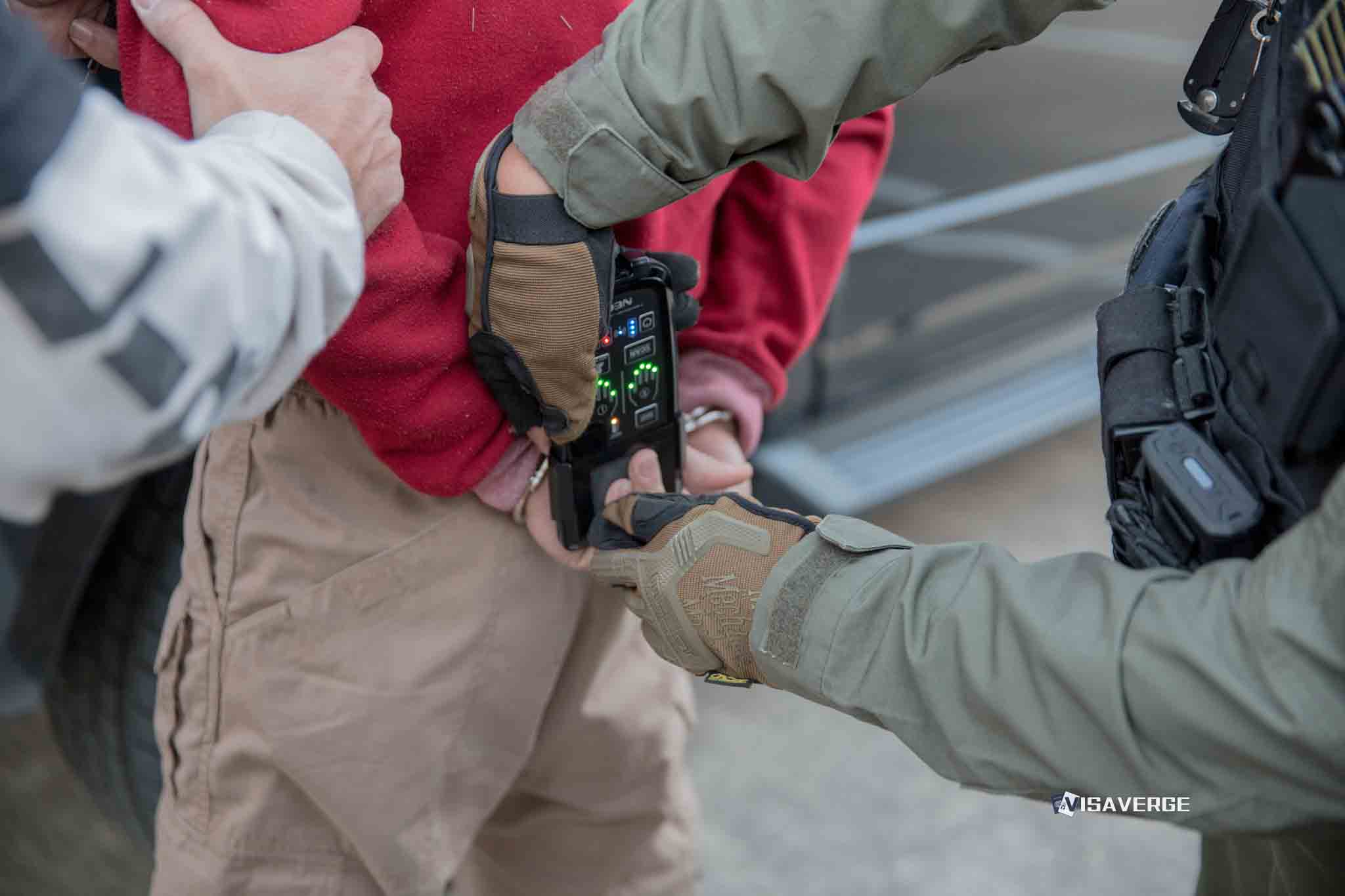
According to reporting from Brazilian media and statements attributed to associates, Pena is being held in an ICE detention setting in the Newark area. As of Monday, February 2, 2026, there has not been a named ICE press release about Pena’s arrest on the agency’s newsroom page. That absence is common and does not resolve the underlying legal questions.
Free toolUSCIS Receipt Number DecoderWhat matters most in immigration court, however, is not online commentary. It is the procedural record: what the court scheduled, what notice was served, what filings were made, and whether a judge entered an order in the person’s absence.
Arrest overview: why a missed immigration court hearing can trigger detention
Based on public reporting, Júnior Pena was arrested in New Jersey and placed in ICE custody at a Newark-area detention facility. The stated reason has been tied to a missed immigration court hearing, sometimes referred to as an FTA, or “failure to appear.”
In EOIR practice, missing a hearing can be legally serious for three core reasons.
- In absentia removal risk. If a respondent does not appear, an Immigration Judge may order removal “in absentia” if the Department of Homeland Security proves proper notice and removability. See INA § 240(b)(5).
- Enforcement consequences. A final order, or a warrant associated with an order, can increase the risk of ICE pickup during enforcement operations.
- Bond complications. Once detained, a person’s bond posture may change based on whether there is a final order, prior in absentia order, or certain criminal or security issues.
Public facts can also change quickly. Court records, custody status, and the existence of a prior order are not reliably confirmed by social media posts alone.
Warning: Do not assume “missed hearing” means the person ignored court. In many cases, the dispute is about notice, rescheduling, or counsel communication. The record controls.
Official DHS/ICE context: how operations and “noncompliance” intersect with court posture
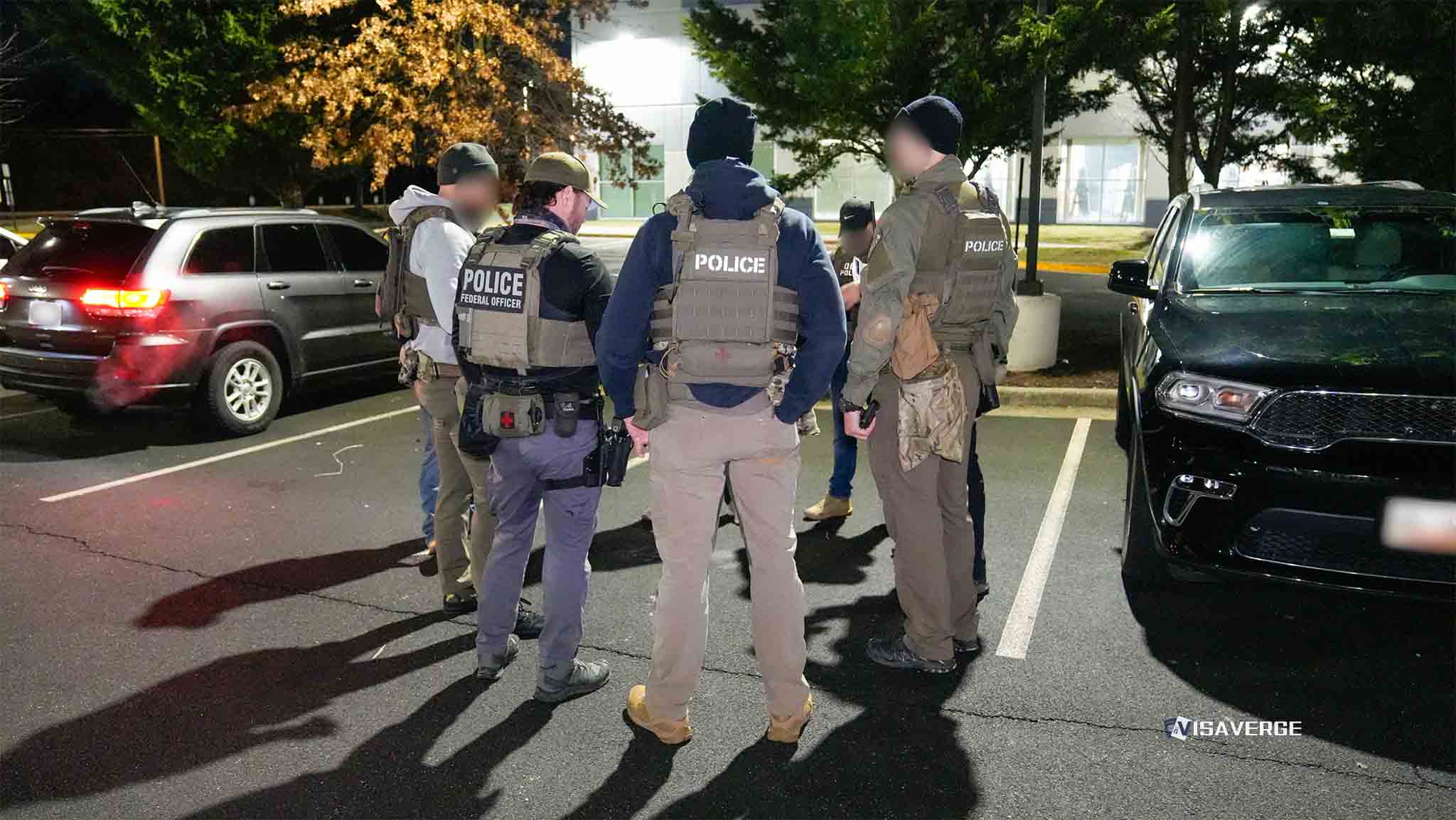
DHS and ICE have described intensified enforcement actions in early 2026, including operations that sweep in a mix of people. Those can include individuals with criminal histories and individuals accused of procedural violations, such as missed court.
In general, ICE Enforcement and Removal Operations (ERO) describes its work as focusing on individuals with priorities, warrants, or final orders, and on docket compliance. When a person has an outstanding order, ICE may treat them as immediately removable, subject to any pending motions or stays.
When a case is still pending, detention may still occur, but the person may be able to seek a bond hearing depending on the charging posture and detention authority. Those authorities can include INA § 236 (pre-order detention) and INA § 241 (post-order detention).
This is also where readers should separate two systems that are often conflated:
- USCIS adjudicates benefits like many family petitions, employment petitions, and certain humanitarian applications.
- EOIR (immigration court) adjudicates removal cases, including in-court asylum and cancellation of removal.
- ICE enforces removal orders and operates detention, often while court litigation is ongoing.
A person may have an active USCIS filing and still be detained if ICE treats them as removable and not protected by a stay or pending court action.
Significance and public impact: what visibility changes, and what it does not
Pena’s detention has drawn attention because he is a public figure who has posted commentary supportive of immigration enforcement. Online reaction has included both criticism and support, along with fundraising aimed at paying legal fees.
Public visibility can change the volume of information, but it does not change the legal standards. In immigration court, outcomes turn on a paper trail:
- the Notice to Appear (NTA),
- hearing notices and address history,
- proof of service,
- any motions or continuances,
- and whether the judge entered a final order.
Social media narratives often miss the procedural details. A case can look simple online and be complex in the file. Advocacy can help fund counsel and gather documents. It does not decide removability, bond eligibility, or reopening standards.
An attorney for Pena has described the missed hearing as an “administrative oversight” or communication breakdown about a postponed date. At this stage, that is a defense claim, not a judicial finding.
The court record will decide whether notice was legally sufficient and whether reopening is available.
Key background facts: why timeline and ties can matter, without proving eligibility
Public reporting says Pena has lived in the United States for many years and built a platform documenting immigrant life. In removal defense, long U.S. residence and community ties can matter, but only within specific legal frameworks.
For example, length of physical presence can be relevant to certain forms of relief, such as:
- Nonpermanent resident cancellation of removal under INA § 240A(b), which generally requires long continuous physical presence, good moral character, and a showing of “exceptional and extremely unusual hardship” to a qualifying U.S. citizen or LPR relative.
- Voluntary departure under INA § 240B, which may be considered in some cases as an exit strategy, but can carry strict deadlines and consequences if violated.
- Asylum, withholding, and CAT if fear-based claims exist, though those claims require specific facts and legal proof, and are not inferred from biography.
Background facts never substitute for records. Eligibility depends on entries, departures, criminal history, prior orders, and the exact allegations in the NTA.
Deadline alert: If an in absentia order was entered, the window to file certain motions can be short and strict. Counsel should review timing immediately under INA § 240(b)(5)(C).
Attorney and legal context: the core defense after a missed hearing
In missed-hearing cases, counsel typically moves fast on three tracks: record retrieval, motion practice, and custody strategy.
1) Obtain the file and confirm what actually happened
A defense attorney will usually try to obtain:
- the NTA and any amended charges,
- the hearing notice(s) and proof of service,
- EOIR docket history,
- the Immigration Judge’s in absentia order, if one exists,
- address-change filings (Form EOIR-33),
- and any receipts showing prior filings.
This is where “administrative oversight” claims get tested. The key question is whether the respondent received legally sufficient notice, and whether the court record reflects a change that was not communicated.
2) Motion to reopen / rescind: the central litigation vehicle
If there is an in absentia removal order, the main tool is often a motion to reopen to rescind under INA § 240(b)(5)(C). The statute allows rescission in two common situations.
- Lack of notice. If the person did not receive proper notice consistent with INA § 239, reopening may be available.
- Exceptional circumstances. If the failure to appear was due to serious events beyond the person’s control, reopening may be available within a limited period.
Courts also apply regulations governing motions practice. See 8 C.F.R. § 1003.23 (Immigration Judge) and 8 C.F.R. § 1003.2 (BIA). If the case posture is at the BIA, or if there are prior denials, the strategy can change quickly.
A motion may also be paired with an emergency request for a stay of removal if ICE appears ready to execute an order.
Warning: Filing the wrong motion, or filing late, can be fatal. Motions must match the case posture and the statutory basis.
3) Detention realities: intake, bond, and what helps
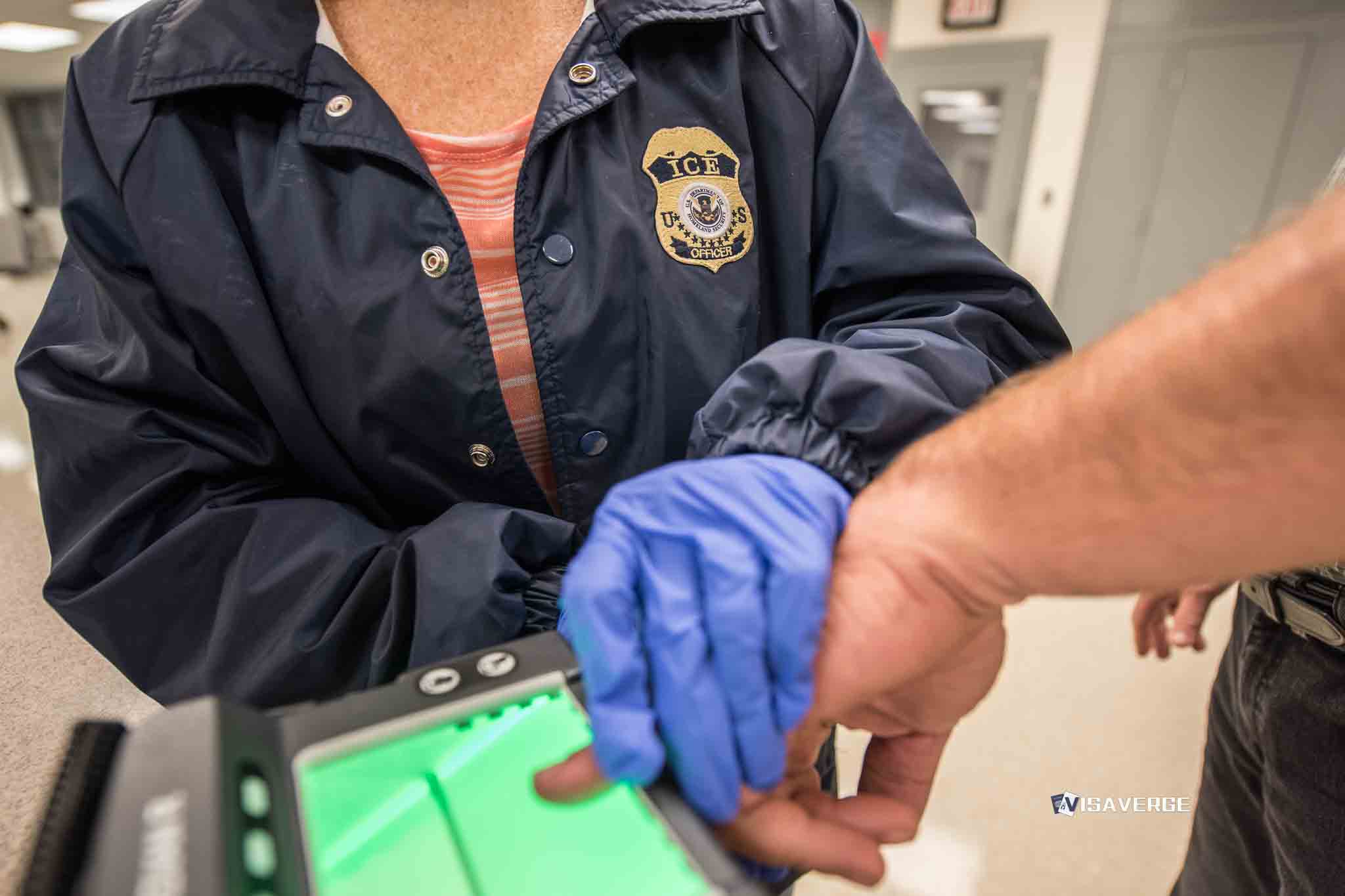
Once in ICE custody, the person may face intake and classification, potential transfer between facilities, and either a bond hearing process or post-order custody review, depending on whether there is a final order.
Evidence that often helps in custody decisions includes stable address history, proof of employment, tax filings, medical issues, community support letters, and a clear plan for appearing in court. But bond is not guaranteed and can be barred in some situations.
Because ICE has not issued a named press release here, independent verification depends on official case and custody checks and attorney access to records, not assumptions.
Public records and official sources: how to verify status through government channels
For families and supporters trying to separate rumor from record, verification usually requires multiple checks, because no single database covers everything.
EOIR case status tools can show whether a case is pending, whether hearings are scheduled, and sometimes the last action taken. That reflects court posture, not necessarily custody.
ICE custody tools can help confirm whether someone is detained, but results depend on exact identifiers and may not update instantly.
ICE and DHS newsroom posts sometimes provide operational context, but they often do not name individuals unless there is a specific public-interest reason.
In practice, a careful verification approach looks like this:
- Confirm the person’s full name spelling variations and date of birth.
- Confirm whether an A-Number exists and is accurate.
- Check EOIR case status for docket posture and next hearing.
- Confirm custody location through ICE channels if family has identifiers.
- Save screenshots and note dates and times, because entries can update.
- Have counsel interpret what “case status” means procedurally.
Privacy rules also limit what agencies can disclose publicly. Even when detention is confirmed, the legal basis for custody may not be publicly stated.
What to watch next: likely milestones in a missed-hearing defense
In a high-profile missed-hearing scenario like this, the next updates usually come from filings and scheduling, not from viral posts. Common milestones include motions and scheduling changes.
- a filed motion to reopen and supporting exhibits,
- an emergency stay request, if removal is imminent,
- a bond hearing request or scheduling notice, where eligible,
- a court continuance while motions are pending,
- or a written decision granting or denying reopening.
ICE may not post public updates at all. The absence of a press release is typical, especially for procedural or docket-related arrests. Defense updates are more likely to appear through attorney statements, filed motions, or court-confirmable dates.
Readers should avoid doxxing, harassment, or crowd-sourced “investigations.” Those behaviors can harm families and complicate representation. Primary documents and qualified counsel are the safest guideposts.
Why attorney representation is critical
Missed hearing cases move fast and punish mistakes. A lawyer can obtain records, identify the correct statutory basis for reopening, prepare sworn declarations, and coordinate custody strategy with litigation posture.
They can also spot circuit-specific issues, because standards and case law can vary by jurisdiction. For anyone facing detention after a missed immigration court hearing in New Jersey, immediate consultation with a qualified immigration attorney is essential.
This article provides general information about immigration law and is not legal advice. Immigration cases are highly fact-specific, and laws vary by jurisdiction. Consult a qualified immigration attorney for advice about your specific situation.
Resources
- AILA Lawyer Referral
- EOIR Immigration Court (case information and agency background)