Tunisia Advances with Biometric ID and Passport Laws
In a significant development, the Tunisian parliament has taken a substantial step forward by approving draft laws concerning biometric identity cards and passports. This move comes after prolonged delays and notable concern expressed by civil society regarding data protection measures. Passed at the end of February by the Rights and Liberties Committee of the Assembly of the People’s Representatives, the legislation indicates Tunisia’s commitment to updating its identification systems.

What Does This Mean for Tunisians?
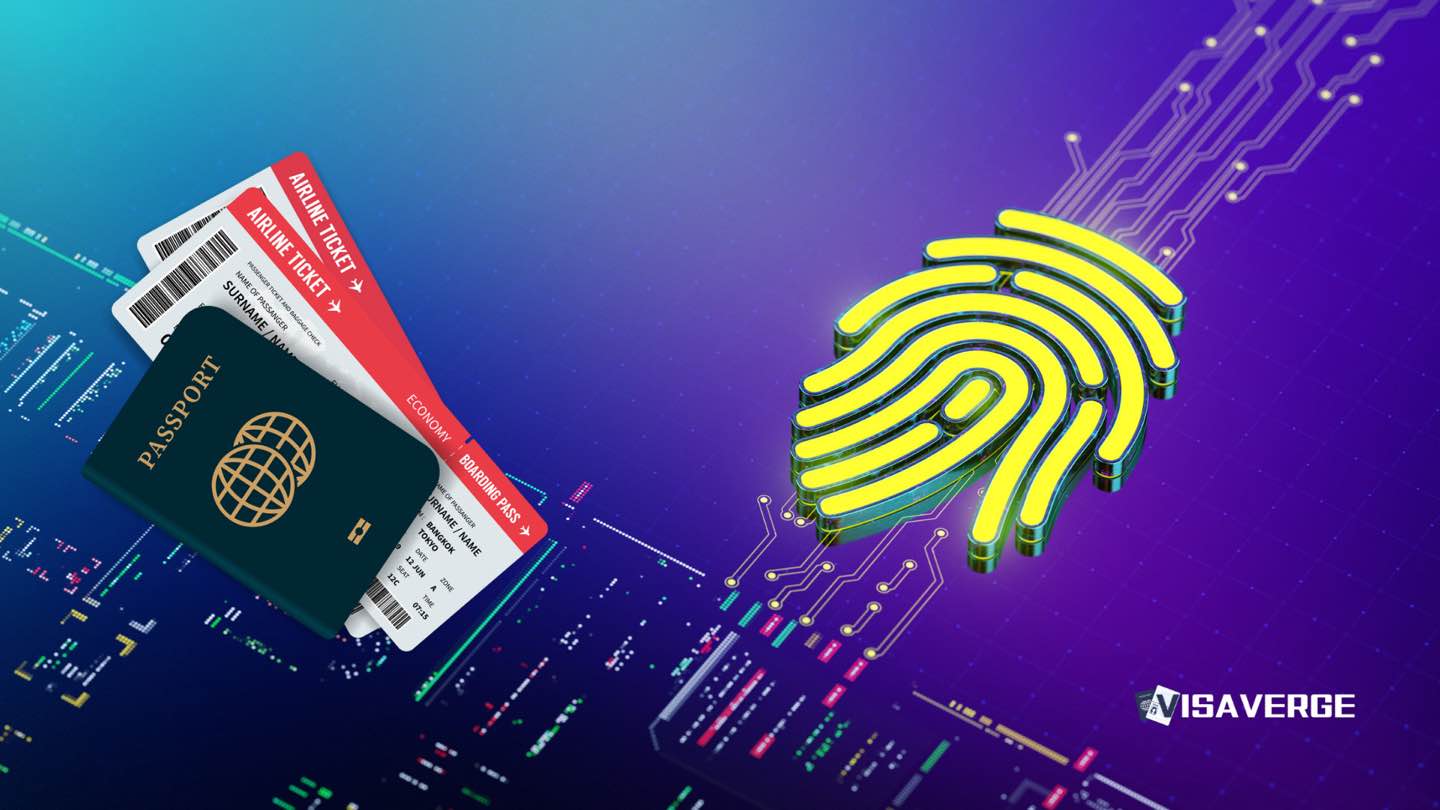
The approval of the Tunisia Biometric ID and Biometric Passport Law signifies a major overhaul in how identification documents will be issued and managed. These biometric IDs and passports will incorporate advanced features, potentially enhancing security and streamlining administrative processes. However, this transition has not been without its critics. The decision to proceed without a significant amendment aimed at preventing the creation of a centralized biometric database has sparked debate among digital rights groups and concerned citizens.
Concerns Surrounding Data Protection
Digital rights organizations such as Access Now have voiced their apprehensions over the years, centering on the potential risks of data breaches and the perceived inadequacies of the current 2004 Data Protection Law.
Kassem Mnejja, a MENA campaigner at Access Now, conveyed the ongoing concerns, stating, “Since 2016, civil society in Tunisia has been sounding the alarm on the Biometric ID Bill, demanding robust human rights guarantees and safeguards… However, many of the demands from eight years ago remain unaddressed.”
The Privacy and Security Debate
The introduction of biometric identification systems brings with it the challenge of ensuring data privacy and protection. Critics argue that the National Personal Data Protection Instance, tasked with implementing the biometric ID project, lacks the necessary authority to enforce stringent data privacy and security measures. This gap underscores a broader concern about safeguarding personal information in an era increasingly reliant on digital identification means.
Looking Forward
As Tunisia moves ahead with the implementation of these laws, the focus will inevitably shift to how privacy and data protection concerns are addressed. The endeavor to modernize the country’s ID and passport systems, while balancing security needs with human rights protections, represents a delicate task facing the Tunisian government and its citizens.
For those interested in the legal framework guiding this transformation, further details can be found on the official Tunisian Government website.
Conclusion
The approval of the Tunisia Biometric ID and Passport Law marks a pivotal moment in the country’s journey towards digital transformation. While this progression promises enhanced security and efficiency, it also invokes critical questions about privacy, data protection, and the balance between technological advances and human rights. As Tunisia embarks on this path, the global community watches with keen interest on how these challenges will be navigated, potentially serving as a case study for others to follow.
This Article In A Nutshell:
Tunisia advances with new biometric ID and passport laws, promising enhanced security and efficiency. The move raises data privacy concerns despite its significance. Civil society debates over safeguarding sensitive information in a digital age. As Tunisia navigates this transformation, all eyes are on how it balances technological upgrades with human rights protections.