- A global screening rule requires fear-of-return questions for all non-immigrant visa applicants as of May 2026.
- Answering ‘Yes’ to fear of harm triggers an automatic refusal under Section 214(b) of the INA.
- The policy aims to prevent asylum shopping by moving fear-of-return screening to the initial visa interview.
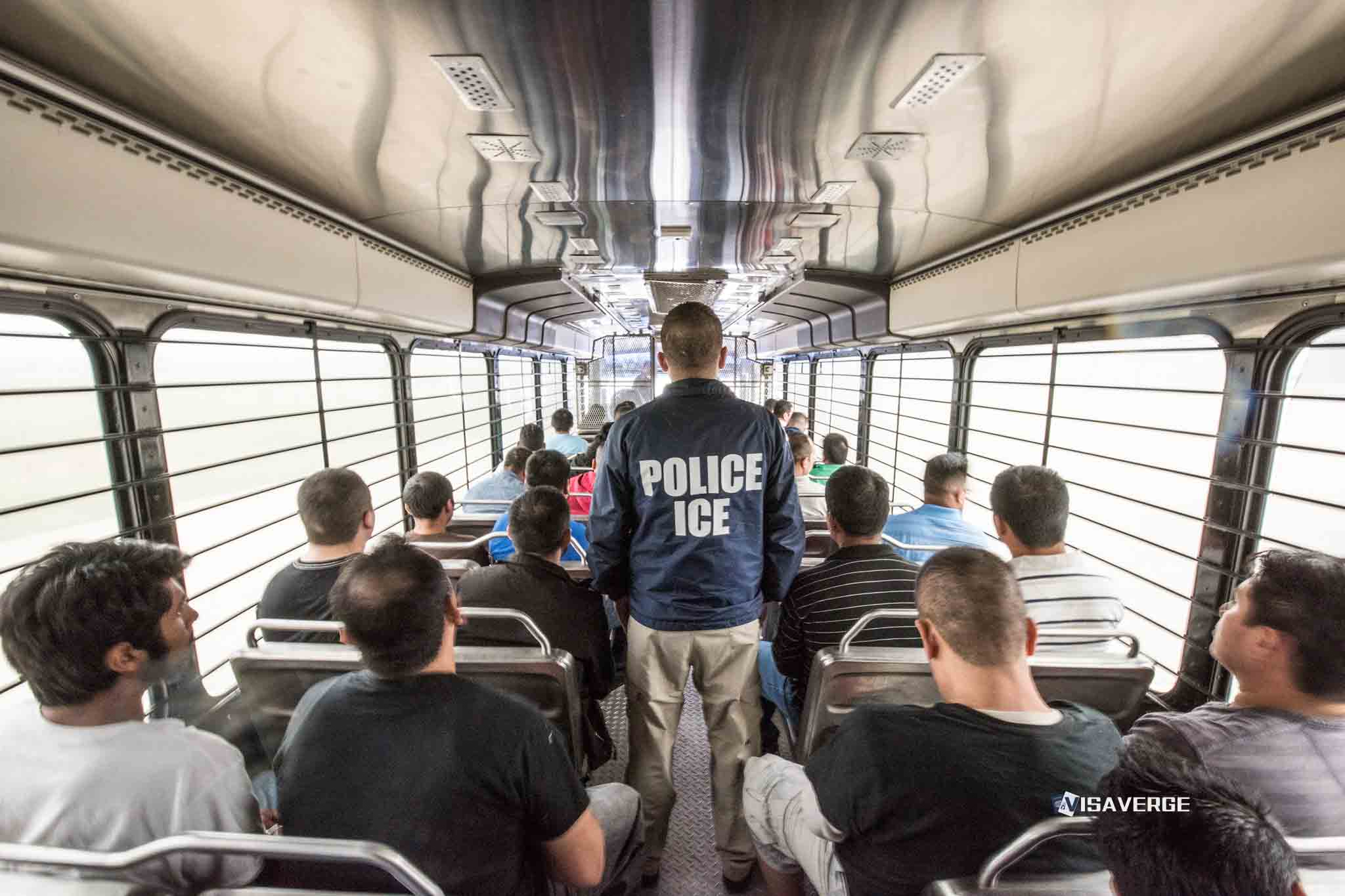
(UNITED STATES) — The U.S. Department of State and Department of Homeland Security implemented a global screening rule on May 2, 2026 that requires every non-immigrant visa applicant to answer two fear-of-return questions during consular interviews.
The change, in effect at U.S. consulates worldwide as of May 3, 2026, adds a “No Fear of Persecution” declaration to interviews for categories including B-1/B-2, F-1 and H-1B. Any applicant who answers “Yes” to either question faces an automatic refusal under Section 214(b) of the Immigration and Nationality Act.
Free toolDS-160 Form Filling Online Helper Tool
A worldwide diplomatic cable formalized the policy on April 28, 2026, and the State Department publicly confirmed it on April 30, 2026. The cable came from the office of Secretary of State Marco Rubio.
Rubio’s office described the measure as a fraud-prevention step. “The high number of aliens claiming asylum in the United States indicates that many aliens misrepresent this intention to consular officers in the visa application process and at U.S. ports of entry, and that information collected from visa applicants under current guidance is inadequate to identify those applicants who fear harm or mistreatment in returning to their home country.”
Consular officers received a direct instruction in the same cable. “Visa applicants must respond verbally with a ‘no’ to both questions for the consular officer to continue with visa issuance.”
Jeremy Konyndyk, President of Refugees International, condemned the policy on April 28, 2026. “They’re trying to systematically demolish any means by which a persecuted person could seek protection and safety in the United States.”
Officers must now ask two questions of every applicant. The first is: “Have you experienced harm or mistreatment in your country of nationality or last habitual residence?” The second is: “Do you fear harm or mistreatment in returning to your country of nationality or permanent residence?”
Those questions mark a clear shift in where the U.S. government tests fear claims. Until now, fear-of-return screening took place after arrival at a U.S. port of entry or after a person applied for asylum inside the country.
The new rule moves that inquiry to the visa window. A person seeking a short-term business trip, a student visa, or temporary professional travel now confronts the same threshold question before a visa can issue.
Section 214(b) gives the legal basis for the refusal. Under the directive, a “Yes” answer creates a presumption that the applicant has immigrant intent or plans to seek U.S. protection rather than temporary travel.
The policy operationalizes Executive Order 14161, which President Trump signed in early 2025. The order aims to curb what the administration calls “asylum shopping,” the use of temporary visas to enter the United States and then seek asylum after arrival.
It also follows a broader visa crackdown that took effect on January 1, 2026. A presidential proclamation suspended visa issuance entirely for nationals of 19 countries, including Afghanistan, Syria, and Haiti, and partially suspended issuance for an additional 39 countries.
The practical effect reaches beyond the interview itself. A “No” answer becomes part of the permanent consular record.
If that same traveler later reaches the United States and seeks asylum, the earlier declaration can become evidence in a visa fraud or misrepresentation case. The directive ties the interview answer to future immigration consequences, including a permanent bar from the country.
Applicants with real fear claims face a blunt choice. A truthful answer can end the visa case at once, while a false denial can carry lasting legal risk if the person later asks for protection.
That tension extends to people whose purpose is temporary and narrow. Business travel, study, and emergency medical treatment can all fall within the non-immigrant visa system, yet the new questions force applicants to address persecution before any short-term trip begins.
Companies and universities have reported immediate disruption for staff and students from politically unstable regions. Even minor involvement in past civil unrest can now disqualify an applicant under the screening rule.
Pressure is already showing at high-volume posts. Reports from Brazil, including São Paulo and Brasília, and from India indicate the added questions are lengthening interview times and adding to existing backlogs.
That slowdown matters in visa categories that depend on calendars. Students often need decisions before term start dates, and employers using temporary work visas schedule around project deadlines and start dates.
The administration’s approach front-loads deterrence. By bringing fear screening into consular interviews, it blocks some potential asylum seekers before they ever reach U.S. soil.
It also changes the role of the interview officer. A process once centered on whether the applicant qualified for temporary travel now includes a direct inquiry into harm, mistreatment, and fear of return.
Supporters of the policy cast that as a way to detect hidden plans to seek asylum. Critics say it turns a routine visa interview into a trap for people fleeing danger.
Konyndyk’s criticism reflects that divide. His statement targeted the effect on persecuted people, not only the mechanics of visa adjudication.
The directive reaches the entire non-immigrant visa system, not a narrow slice of applicants. Tourist, student, and temporary worker categories all fall within the same interview mandate.
That breadth raises the stakes for travelers who would not have expected asylum-related questions in a visa appointment. A short visit no longer insulates an applicant from a fear inquiry.
Government agencies have pointed applicants and practitioners to several official channels for related material. The State Department has posted statements in its [Newsroom](https://www.state.gov), while DHS has published policy announcements through its [news page](https://www.dhs.gov).
USCIS has also maintained background material in its [newsroom](https://www.uscis.gov), including guidance related to Credible Fear and Section 214(b) refusals. Taken together, those sites outline how the administration has tied visa processing more closely to asylum enforcement.
The wording of the cable leaves little room for officer discretion once an applicant answers in the affirmative. Under the instruction from Rubio’s office, visa issuance can continue only after verbal “no” answers to both questions.
That requirement may carry weight long after a single appointment ends. A record created in minutes at a consulate can follow a traveler through later visa applications, future border inspections, and any later asylum claim in the United States.
The new “No Fear of Persecution” screening closes the gap between overseas visa vetting and domestic asylum enforcement. At consulates worldwide, the first question for many temporary travelers now reaches beyond travel plans and into whether they fear going home.