- Air India is cutting 100 daily flights through July 2026 due to fuel costs and airspace closures.
- The decision reflects a 10% capacity reduction overall, with significant hits to long-haul international routes.
- Rising jet fuel prices and Middle East conflicts are increasing operating costs by 60% on some sectors.
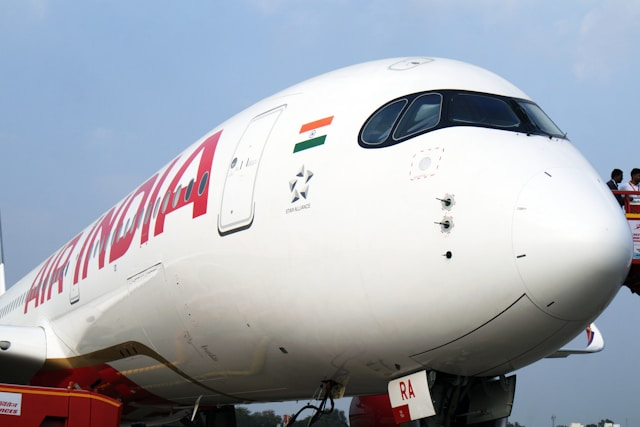
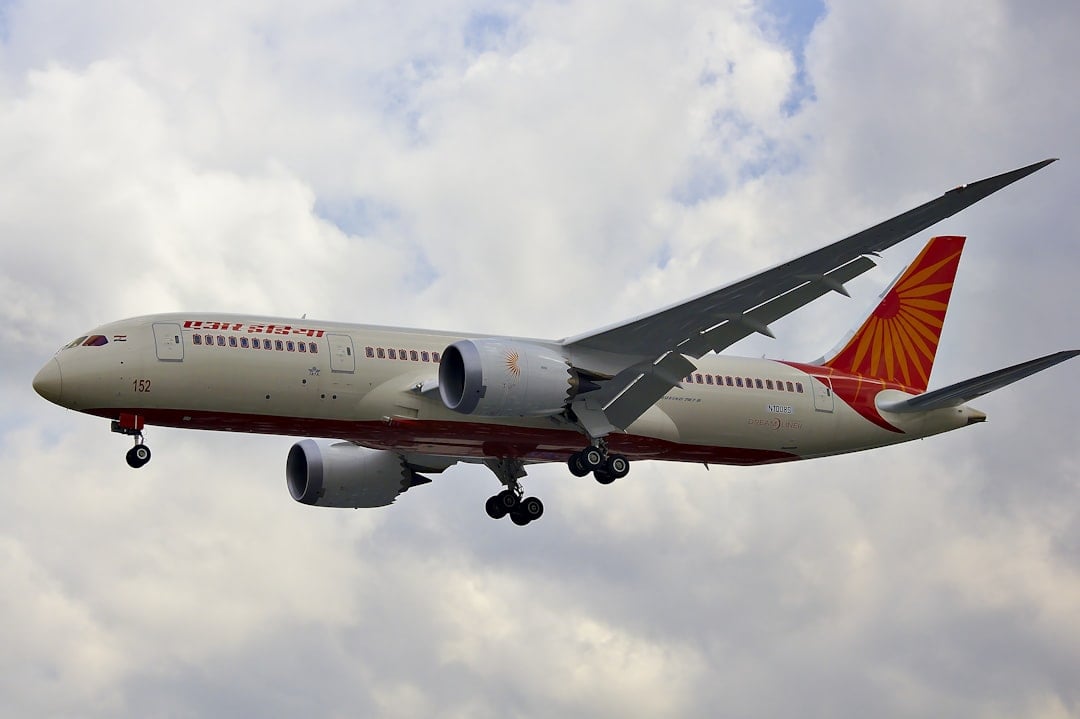
(INDIA) — Air India is cutting nearly 100 domestic and international flights a day through at least July 2026, and that means fewer schedules, tighter connections, and less choice on long-haul trips. The airline says rising jet fuel costs and Middle East airspace restrictions are making parts of its network too expensive to run as planned.
Chief executive Campbell Wilson told staff on May 1 that April and May cuts were already in place, with more reductions set for June and July. He linked the move to a sharp rise in aviation turbine fuel, longer routings caused by conflict in the region, and airspace closures that are forcing detours across some of Air India’s busiest international markets.
Air India operates about 1,100 flights daily, so the cuts amount to roughly a 10% capacity reduction. International wide-body flying is being trimmed by 15%, or about 70 daily flights, until at least mid-July. That is the kind of reduction travelers notice quickly, especially on routes that depend on a single daily departure.
The biggest impact falls on Air India’s long-haul network to Europe, North America, Australia and Singapore. Some flights are now taking technical stops in cities such as Vienna and Stockholm because of closed Pakistani airspace, adding time and complexity to journeys that were already under pressure from fuel prices.
| Detail | Information |
|---|---|
| Airline | Air India |
| Daily flights | About 1,100 |
| Current reduction | Nearly 100 flights daily |
| Capacity cut | About 10% overall |
| Wide-body cut | 15% international services |
| Main affected markets | Europe, North America, Australia, Singapore |
| Timing | Through at least July 2026 |
Fuel is driving a large part of the decision. International jet fuel rose 5% on May 1 to $1,511.86 per kilolitre, up from $1,435.31. Domestic jet fuel had already climbed 25% on April 1 to Rs 1,04,927.18 per kilolitre. Global jet fuel averaged $179.46 per barrel for the week ended April 24, after peaking at $260.24 per barrel.
Those numbers matter because fuel is one of the biggest line items in airline cost structures. Air India says the longer routes forced by Middle East tensions can push fuel burn and operating costs up by as much as 60%, while ATF typically makes up 40% to 60% of total operating expenses. That leaves little room to absorb rerouted flights, especially on long sectors where demand does not always cover the cost of operating the aircraft.
⚠️ Heads Up: Some Air India long-haul flights are already operating with technical stops or changed timings. Recheck your booking before heading to the airport.
The financial strain is showing in the numbers. Air India Group reported losses of more than ₹22,000 crore for the fiscal year ended March 31, 2026. Executives have pointed to the airline’s heavy international exposure and the difficulty of recovering operating costs on many long-haul flights. That places pressure on a carrier trying to rebuild scale while global fuel prices and regional conflict keep shifting the math.
| Carrier | Network pressure | Fuel exposure | Network style |
|---|---|---|---|
| Air India | High | High | Long-haul heavy |
| IndiGo | Lower international exposure | Lower | Short-haul focused |
| Global peers | Mixed | Varies | Many have adjusted schedules |
Campbell Wilson also said he hoped for a resolution in the Middle East and the reopening of the Strait of Hormuz. That route matters to the wider fuel market as well as airline planning, since any prolonged disruption tends to keep oil and jet fuel prices elevated.
Air India passengers should check the airline’s website or app before travel, especially if they are booked on Europe, North America, Australia or Singapore routes. Reduced frequencies can also affect mileage plans, since fewer flights often mean fewer award seats and less flexibility for rebooking when travel dates change. Travelers chasing elite status on partner itineraries should also watch for schedule changes that push them onto longer routings or overnight connections.
The broader aviation picture is not much friendlier. Deregulated fuel prices in India still move with global benchmarks, so a jump in crude or jet fuel can hit carriers quickly. Air India’s cuts show how fast those swings can reach the timetable, and anyone with a June or July booking should verify the latest schedule before departure.