- India has implemented a fully digital OCI model starting May 1, 2026, replacing paper-based applications.
- Minors are now strictly barred from holding foreign passports while simultaneously possessing an Indian passport.
- Cardholders must update passport changes within 90 days to avoid a USD 25 financial penalty.
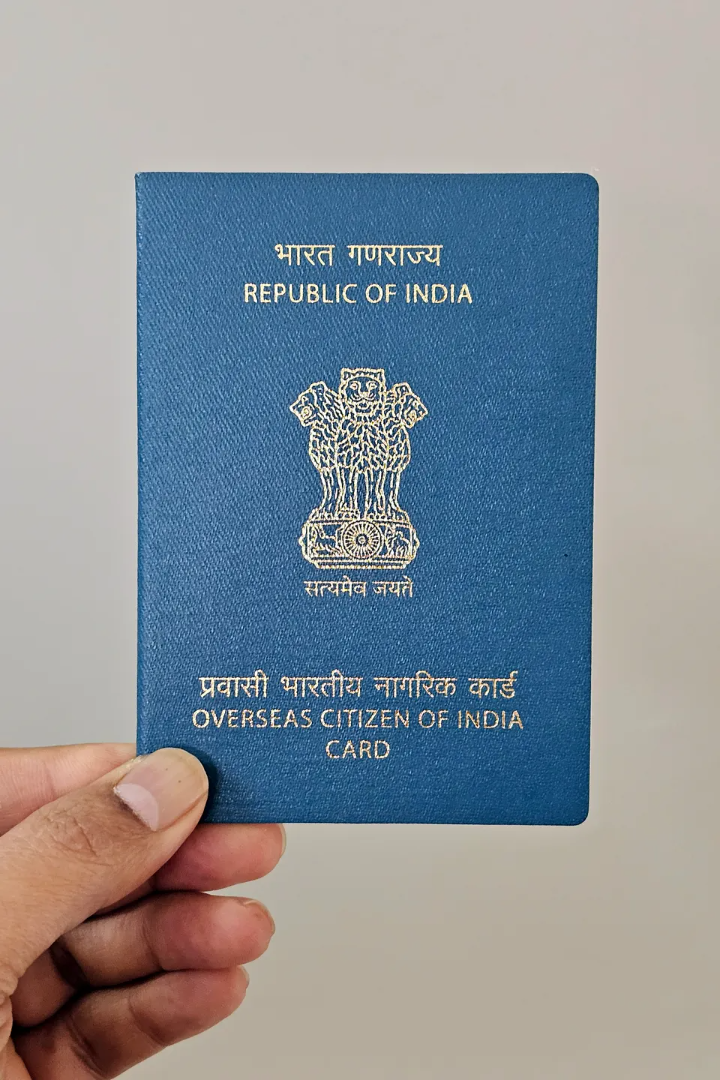
(INDIA) – India’s Ministry of Home Affairs notified the Citizenship (Amendment) Rules, 2026 on April 30, 2026, shifting Overseas Citizenship of India applications to a digital-first model from May 1, 2026 and tightening compliance rules for minors and existing cardholders.
The new rules move OCI registration and renunciation into a fully online system, add an electronic OCI document alongside physical cards, and require applicants to use the OCI Services portal for all services. The notification appeared in the Gazette of India on April 30.
Free toolDS-160 Form Filling Online Helper Tool
An MHA official said on April 30, 2026, “The rules introduce a fully digital OCI framework, mandating online applications, electronic records, and acknowledgments, while phasing out duplicative physical processes.” The changes update the 2009 framework that governed the scheme.
All applications for OCI registration through Form XXVIII and renunciation through Form XXXI must now be submitted electronically. The previous paper and ink process, along with duplicate document filing, has been removed.
New Delhi also introduced an electronic OCI, or e-OCI, as part of the overhaul. Physical cards remain available, but the e-OCI creates a paperless identity record tied to centralized digital record-keeping.
Applicants must now consent to biometric data collection for use in the Fast Track Immigration Programme. The change is meant to support future e-gate clearance at Indian airports.
The overhaul marks the broadest rewrite of the OCI system since the scheme began in 2005. Officials tied the changes to digital identity tracking, tighter border management, and closer monitoring of a status India treats as a privilege rather than dual citizenship.
One of the most closely watched provisions covers minor children. The new rules state that “the minor child cannot at any time hold the passport of any other country while also holding the Indian passport.”
That rule affects Indian-origin families abroad with children born overseas, especially where parents had used different passport options while deciding whether to retain Indian citizenship or seek OCI status. Under the amended rules, holding both at the same time is barred for minors.
Existing OCI cardholders also face a new reporting deadline. They must update new passport details on the portal within three months of issuance, and a delayed update now carries a USD 25 fine, or the local currency equivalent.
The requirement creates a fixed 90-day compliance window for cardholders who renew or replace passports. Missing that window carries a financial penalty and raises the risk of travel disruption, including possible boarding issues.
Home Ministry officials also expanded the grounds for cancellation of OCI status. Authorities can cancel OCI registration if a holder is sentenced to prison for two years or more, or if the person is charge-sheeted for an offense carrying a possible sentence of seven years or more.
Those provisions sharpen the government’s compliance framework at the same time it cuts paperwork. The rules pair digital filing with broader monitoring powers, a combination officials presented as part of a more structured and trackable system.
The amendments also widen eligibility in one category. India extended OCI eligibility for Indian-origin Tamils in Sri Lanka to include fifth- and sixth-generation descendants, expanding a category that had previously stopped at the fourth generation.
Another rule removes a waiting period for some applicants already in India. Foreign nationals applying for OCI from within the country no longer need to prove a six-month period of ordinary residence before filing, provided they hold a valid long-term visa.
That change allows some applicants to apply shortly after arrival instead of waiting to build a six-month stay record. It shortens the path to filing for those who already meet the visa condition.
Officials also introduced a review mechanism for rejected applications that shifts scrutiny upward in the chain of command. Rejected cases are to be handled by an authority one rank higher than the original decision-maker, part of the government’s effort to reduce discretionary delays.
The structure of the new system points to two policy goals at once. India is digitizing the front end of OCI processing while reinforcing the line it has long maintained on non-recognition of dual citizenship.
That balance appears most clearly in the treatment of minors and in the new passport-update rule. One aims at citizenship compliance; the other gives authorities a current digital record of the travel document linked to OCI status.
Frequent travelers stand to see the most visible operational change if the biometric system expands as planned. Integration with fast-track immigration channels is intended to reduce waiting times at major airports, including Delhi, Mumbai, and Bengaluru.
The practical burden, though, falls on current and future applicants to keep records current online. The digital-first model removes duplicate paperwork, but it also leaves less room for informal correction after deadlines pass.
Families that maintain ties across countries are likely to face the sharpest adjustment. Parents with children born abroad must now align passport decisions carefully if they intend to maintain Indian citizenship or seek OCI benefits without breaching the new minor-child rule.
Cardholders renewing passports will need to treat the online update as a routine post-renewal step rather than an optional administrative task. Under the amended rules, failing to report the new passport within three months now has a stated cost.
The government has placed the new framework on official portals that handle citizenship, consular, and external affairs functions, including the Ministry of Home Affairs, the OCI Services portal, and the Ministry of External Affairs. Those sites now sit at the center of a system that replaces paper files with electronic records from the first application to later compliance updates.
By the first day of implementation, India had recast OCI processing around online filing, digital identity records, biometric consent, and tighter eligibility checks. The Citizenship (Amendment) Rules, 2026 took effect on May 1, 2026 with a sharper message than the old framework: OCI remains available, but every step now runs through a monitored digital system.