- FAA Administrator Bryan Bedford indicates the 777X certification could arrive in 2027.
- Boeing remains committed to its 2027 delivery target despite potential regulatory sequencing delays.
- The company has already faced seven years of delays and nearly $5 billion in charges.
(CHARLESTON, SOUTH CAROLINA) – FAA Administrator Bryan Bedford said Boeing’s 777X certification would follow remaining 737 MAX certification work and could come in 2027, raising new pressure on Boeing’s plan to begin first deliveries next year.
Bedford’s comments, delivered at the CAPA Airline Leader Summit in Charleston, South Carolina, shift attention from a delivery target to the timing of regulatory approval itself. A certification slip into 2027 would leave Boeing less room to hand over aircraft, support airline training and launch entry into service on the schedule it still wants to hold.
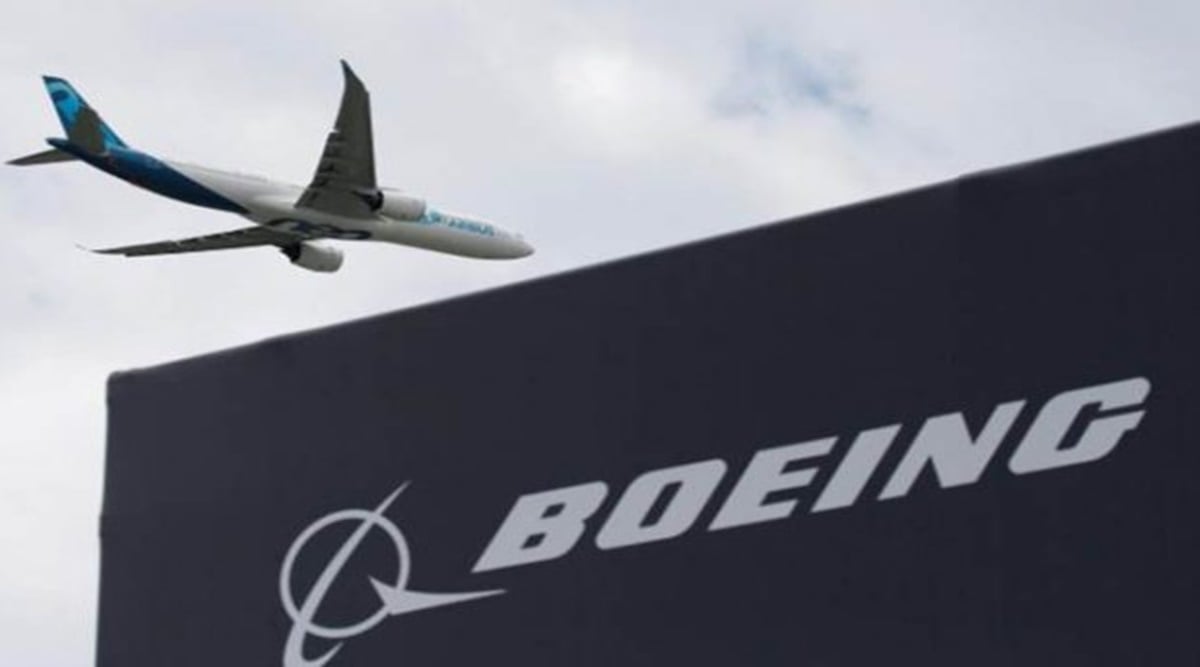
Boeing CEO Kelly Ortberg said on May 27, 2026 that the company expects to complete most of the flight-test program by the end of 2026, with ETOPS testing extending into next year. He also said Boeing is “building the airplanes and getting ready to start the deliveries next year.”
That leaves the 777X program in a narrower corridor than Boeing had previously suggested. The company has kept a 2027 delivery goal in place, but Bedford’s remarks indicate certification itself may not arrive until the same year.
Boeing had already reset expectations in October 2025, when it revised the 777-9 plan and moved first delivery to 2027. At the same time, it recorded a US$4.9 billion pre-tax charge tied to the program.
The revised schedule marked another step away from the aircraft’s original timeline. Boeing had once expected the jet to enter service in 2020. A certification and delivery window in 2027 would put the program about seven years late.
Bedford’s signal matters because it suggests the next source of delay is procedural, not commercial. Boeing has framed the latest setback as a certification-process issue rather than a newly discovered technical problem, a distinction that affects how investors, airline customers and suppliers gauge the remaining risk.
Under that framing, the question is not whether Boeing still intends to deliver in 2027. Ortberg has already said it does. The question is how much of that year remains once the FAA completes its work.
If certification lands early in 2027, Boeing may still preserve some deliveries in the same year. A later approval would compress the handover calendar and complicate preparations that come after certification, including airline training and entry-into-service planning.
Those pressures are central to the current 777X timetable. Deliveries do not begin the day certification arrives. Aircraft must pass through customer acceptance, and airlines must align crews, operational planning and route launches with the new widebody’s arrival.
Ortberg’s remarks on May 27, 2026 showed Boeing still preparing on that assumption. By saying the company is “building the airplanes and getting ready to start the deliveries next year,” he tied manufacturing activity to a 2027 handover target even as parts of testing continue into the following year.
ETOPS, the extended-range twin-engine operational performance standards process, remains one of those remaining steps. Ortberg said that portion of testing runs into next year, even though most of the broader flight-test program should finish by the end of 2026.
That timeline helps explain why Bedford’s words drew attention. If the flight-test program largely wraps up this year but the FAA does not complete certification until 2027, the gap between technical progress and regulatory signoff becomes the issue shaping the aircraft’s commercial debut.
Boeing has also said the latest delay does not stem from a fresh engineering setback. The company and GE Aerospace have said a mid-seal durability fix on the GE9X engine is not expected to affect next year’s delivery timing.
That statement narrows the list of immediate obstacles. It suggests Boeing does not see the engine fix as the factor pushing the schedule, and that the current risk sits in the pace and sequencing of certification.
The distinction is important for a program that has already absorbed large timing and financial adjustments. Boeing’s October 2025 revision did not merely shift a date on a planning chart; it came with the US$4.9 billion pre-tax charge linked to the 777-9 program, underscoring how costly repeated schedule changes have become.
Bedford’s indication that the 777X will follow 737 MAX certification work also places the program in a broader FAA queue. He did not describe a separate technical fault in the aircraft. Instead, he signaled an order of work inside the certification system, with the 777X coming after the MAX items are addressed.
That sequencing can affect Boeing even if the airplane itself remains on its planned testing path. The company may finish most of the flight-test program by the end of 2026, as Ortberg said, yet still wait on a final regulatory timetable that runs into the next calendar year.
For Boeing, the practical effect is that manufacturing readiness and certification readiness no longer move in lockstep. The company can continue building aircraft and preparing for delivery, but actual handovers depend on when the FAA signs off.
The gap between those two tracks has become the central tension in the 777X story. Boeing has aircraft in production and says it is preparing to begin deliveries in 2027. Bedford has now indicated certification itself could arrive in that same year.
That leaves little margin if approvals come late. Airlines planning to introduce a new long-haul aircraft type must line up pilots, operating procedures and service-entry schedules, and a shorter post-certification window makes those plans harder to keep intact.
Boeing’s own language reflects that pressure without abandoning the target. Ortberg did not signal a move beyond 2027. He said Boeing expects to finish most testing by the end of 2026, carry ETOPS work into next year, and keep building airplanes for delivery.
Still, the timeline has already stretched far beyond the jet’s original promise. An aircraft once expected in service in 2020 now faces a certification outcome that Bedford said could come in 2027, with entry into service dependent on how early or late that approval arrives.
The result is a program still moving forward, but with less slack than before. Boeing says the latest delay comes from the certification process, not a new technical problem, and says the GE9X mid-seal durability fix should not change next year’s delivery timing.
Whether that is enough to protect the first handovers now turns on the calendar. Bedford has signaled 2027 for certification, and Ortberg has said Boeing is “building the airplanes and getting ready to start the deliveries next year.”