- ICE agents are restricted to pre-checkpoint areas at 14 U.S. airports due to a lack of SIDA clearance.
- Personnel are assisting with crowd control and line management to mitigate TSA staffing shortages during the shutdown.
- Deployments exclude California while affecting major hubs like Atlanta, Houston, Baltimore, and New York.
As of March 2026, ICE agents deployed to assist TSA are restricted to pre-checkpoint areas because they do not hold SIDA clearance, limiting their role to public-facing airport spaces during a partial government shutdown.
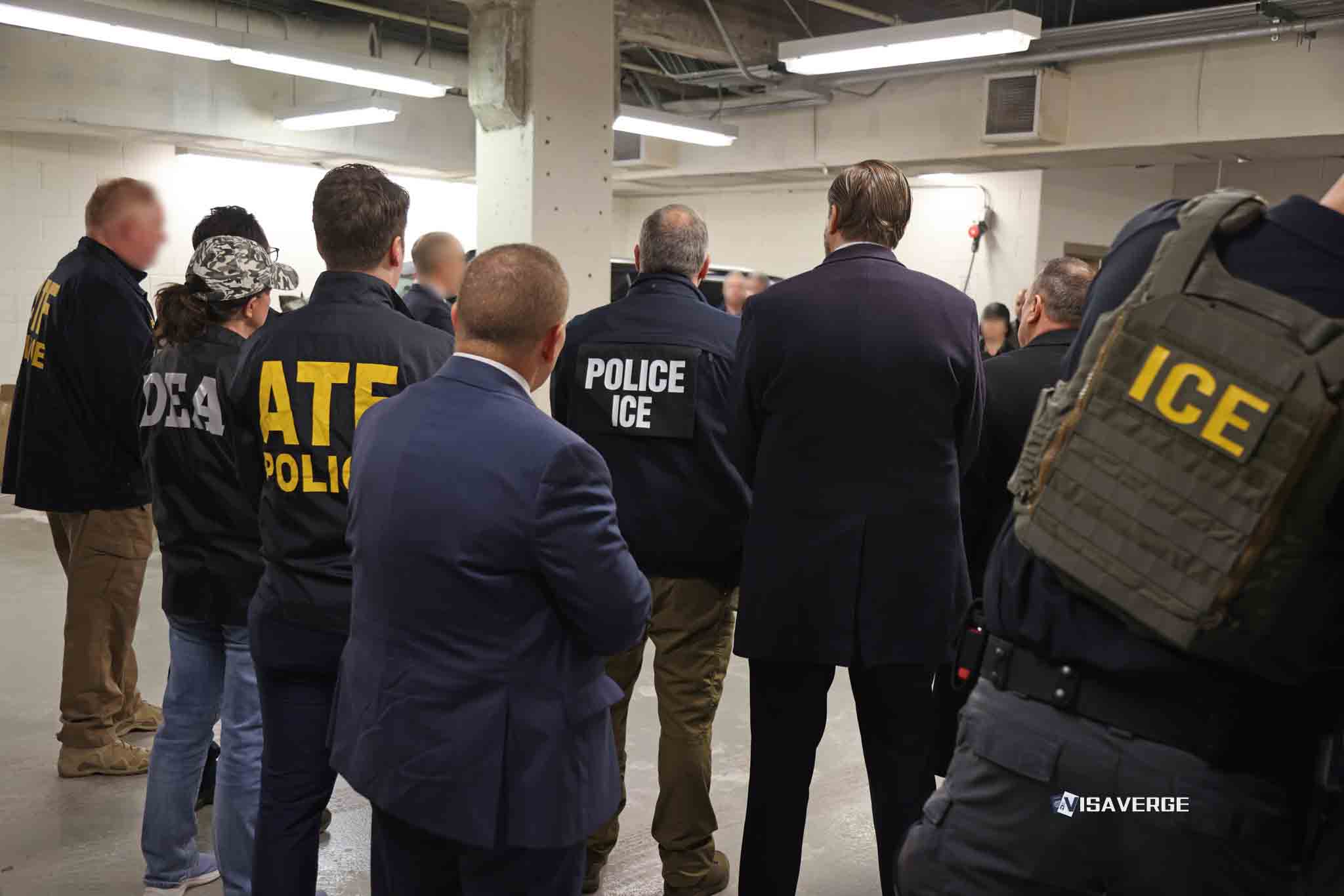
The arrangement changes how immigration enforcement and air travel intersect. ICE officers may stand near ID-checking TSA officers in domestic terminals, but they are not working beyond checkpoints or inside sterile areas.
Deployments began Monday at 14 U.S. airports after President Donald Trump announced the move on Truth Social on Sunday. DHS framed the effort as a way to ease pressure on TSA as absentee rates climbed during the shutdown.
Tom Homan, the DHS border czar, was cited as a leading figure in the push. The staffing strain was sharp at airports including Atlanta (Hartsfield-Jackson), Houston, Baltimore, New Orleans, and New York.
At some locations, over one-third of TSA staff were absent while working without pay. The shutdown affected ~50,000 employees. That left checkpoint operations under visible strain.
No deployments were reported in California. That includes San Diego International, which was not among the 14 airports receiving ICE support.
| Airport/Location | Status of Deployment | Notes |
|---|---|---|
| Atlanta (Hartsfield-Jackson) | Deployed Monday | Domestic terminals; crowd control focus |
| Houston | Deployed Monday | Part of 14-airport effort |
| Baltimore | Deployed Monday | Support tied to TSA shortages |
| New Orleans | Deployed Monday | Pre-checkpoint duties only |
| New York | Deployed Monday | Near ID-checking areas, not beyond checkpoints |
| San Diego International | No deployment | None in California |
| California airports | No deployments reported | none in California |
ICE officers assigned to airports are handling non-specialized tasks. Those duties include crowd control, line management, and guarding exits so TSA personnel can stay focused on screening.
They are not running X-ray machines. They are not taking on other specialized security duties either.
That line matters because SIDA rules still apply. A SIDA badge allows access to secure airport areas, including sterile zones beyond checkpoints, and ICE officers in this deployment do not have those badges.
No waiver of SIDA rules has been confirmed. DHS statements have instead pointed to a setup that avoids secure areas altogether while still using ICE staff in front-of-house airport operations.
Atlanta offers the clearest example of those limits. Andre Dickens, the city’s mayor, said the activity there centered on domestic terminals for crowd control, not immigration enforcement.
That distinction may ease some concerns, but it does not remove ICE authority in public areas. Under 8 U.S.C. § 1357, immigration officers may question people about their right to be in the United States and may make arrests in some circumstances.
Even so, the airport deployment described here does not place ICE behind checkpoints. Interactions tied to immigration status typically occur in public or customs areas, not in sterile areas that require SIDA access.
No detention behind checkpoints has been reported in this setup. If an officer suspects a traveler lacks lawful status, the process may involve questioning, database checks, and, in many cases, possible removal proceedings.
Travelers should separate TSA screening from ICE questioning. TSA is handling aviation security, while ICE officers in these deployments are filling support roles around the checkpoint, not replacing screeners.
Trump’s Truth Social post cast the move as a response to Democrats withholding DHS funding. He said the agents could make arrests, but airport operations described by local officials and DHS have centered on staffing support, not active sweeps.
That framing reflects the shutdown reality. Checkpoint lines need workers for visible tasks, and ICE can supply personnel for those jobs without changing who performs aviation screening.
For travelers, the practical effect is simple. You may see ICE near the front of the screening area, but that does not mean the agency has gained routine access beyond checkpoints without SIDA badges.
People flying through affected airports may want to carry identification and any immigration documents that apply to them. U.S. citizens and noncitizens alike may encounter law enforcement questions in public airport spaces.
If approached, travelers generally may remain silent about immigration status and may ask to speak with a lawyer. Anyone facing an arrest or document issue should consult a qualified immigration attorney as soon as possible.
Travelers should carry identification and travel documents; be aware that ICE interactions are described as occurring in public or customs areas, not behind checkpoints.
If approached by ICE for questions on status, ask to speak with counsel and document the encounter.
Airports remain a setting where several legal authorities overlap. Customs areas, public terminals, and TSA screening zones each have different rules, and SIDA remains a hard boundary for who can enter secure spaces.
For now, DHS says the airport plan addresses TSA shortages without changing badge rules. That means ICE may continue helping at the front of checkpoints while TSA keeps control of screening functions inside them.
Travelers passing through Atlanta (Hartsfield-Jackson), Houston, Baltimore, New Orleans, New York, and other affected airports should expect a heavier law enforcement presence in pre-checkpoint areas while the shutdown and staffing gaps continue. The main limit has not changed: no SIDA badge, no access beyond the checkpoint.
This article provides general information and is not legal advice. Immigration outcomes depend on individual facts and may change quickly, so travelers with legal concerns should consult a licensed attorney before travel.