- The FAA proposed inspections of 13 U.S.-registered Airbus A220s operated by Delta, Breeze Airways, and JetBlue.
- Officials say a twisted fuel hose could abrade nearby parts and create a potential fire risk.
- The proposal is not a grounding order, and public comments are due by October 19, 2026.
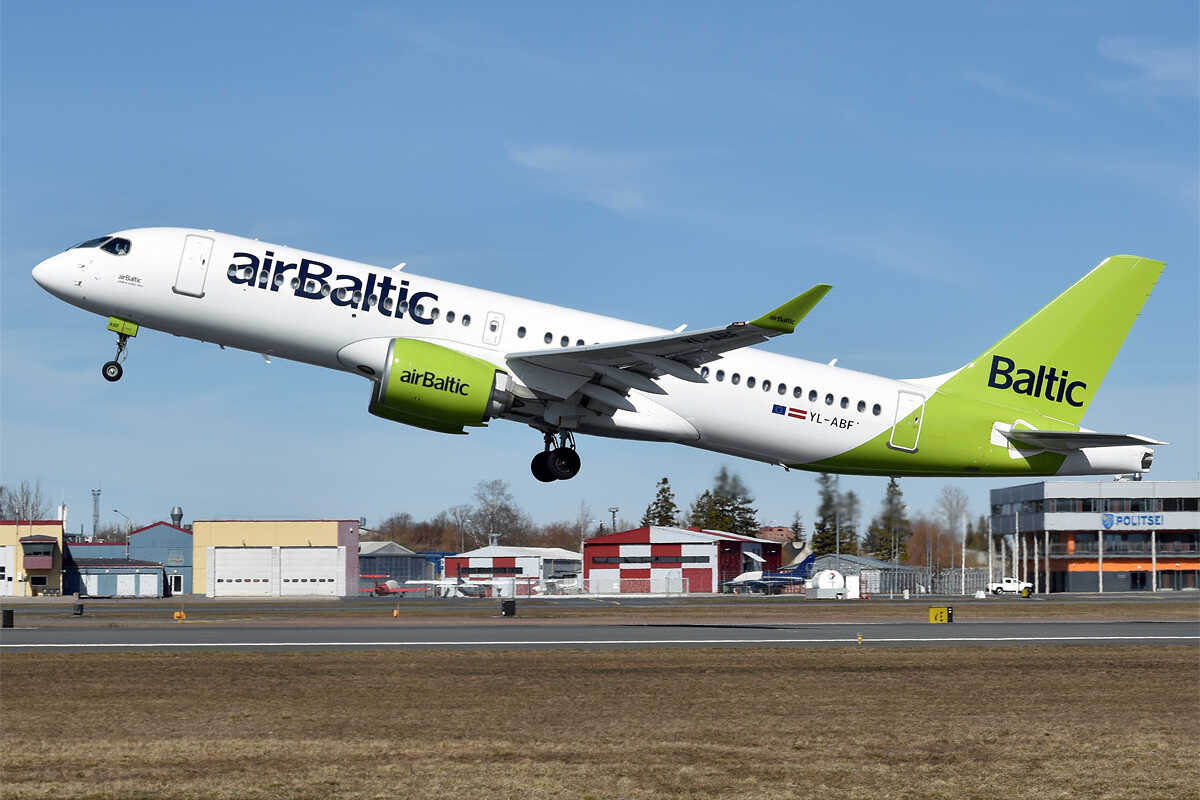
The FAA has proposed an FAA order requiring inspections of Airbus A220 fuel hose lines on 13 U.S.-registered aircraft flown by Delta Air Lines, Breeze Airways and JetBlue. The action covers certain A220-100 and A220-300 jets.
The inspections would examine motive-flow flexible fuel line assemblies. The agency has not ordered the affected aircraft out of service.
Free toolREAL ID Requirements Checker tool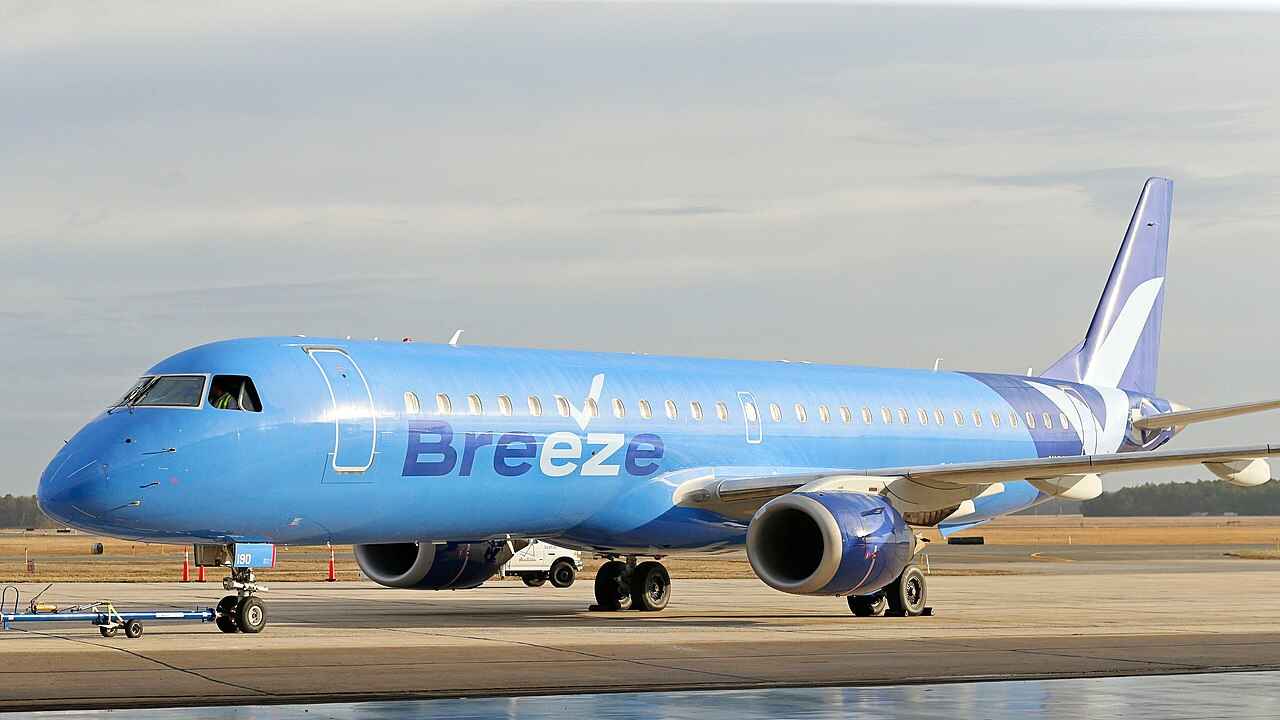
The proposal is not a grounding order. It is also not yet final, with comments due by October 19, 2026.
The concern involves how a flexible hose may have been installed. A twisted line could rub against nearby material during operation.
That contact could abrade the hose and allow fuel to leak near electrical harness connectors. The FAA identifies the combination as a potential fire risk.
A production change may have left the hose installation procedure behind
The agency says a production configuration change entered service without a corresponding update to the installation procedure. That mismatch could leave the flexible line twisted during installation.
The hose could then press against its protective shroud. Repeated contact may wear the line over time, creating the possibility of fuel leakage close to the connectors.
The proposed directive therefore calls for inspections of the affected assemblies rather than an immediate fleet-wide withdrawal. The requirement applies to the aircraft identified in the FAA action.
The agency’s proposal would supersede a 2021 directive and extend the coverage to four additional aircraft. The expansion would bring the total affected U.S.-registered A220 count to 13.
Delta Air Lines, Breeze Airways and JetBlue operate aircraft within that group. The proposal does not cover every A220 flown by those carriers.
The inspection estimate is far below the possible replacement cost
The FAA estimates that the inspection would require 10 labor hours. Using its standard labor rate, the agency puts the work at about $850 per aircraft.
A replacement, if required, would cost more.
| Maintenance action | FAA estimate |
|---|---|
| Inspection | 10 labor hours |
| Inspection cost | $850 per aircraft |
| Replacement | $10,005 per pylon |
The replacement estimate applies when an inspection identifies a pylon component requiring replacement. It does not mean every aircraft in the covered group will need that work.
The proposed action focuses on a limited set of aircraft rather than an entire A220 fleet. The expected operational impact should therefore remain confined to the jets named in the directive.
The FAA describes the measure as preventive maintenance and a safety matter, not an immediate fleet-wide emergency. The proposal itself does not require operators to ground all of their aircraft of the type.
Delta says it follows regulatory safety directives
Delta said it would comply with the regulator’s requirements.
“At Delta, we fully comply with directives from our regulators as nothing is more important than safety.”
The proposed rulemaking process now includes a public comment deadline of October 19, 2026. Until the FAA adopts a final rule, the inspection requirement remains a proposal rather than a final directive.