- Kosovo asylum applications surged by one hundred eight percent following the implementation of Schengen visa-free travel.
- The European Commission reported three thousand nine hundred five claims during the first seven months of twenty twenty-four.
- Data from late twenty twenty-five shows unfounded claims began declining as information campaigns clarified traveler obligations.
A European Commission report counted 3,905 asylum applications from Kosovo citizens in January–July 2024 after January 1, 2024, when Schengen visa liberalization took effect. The jump was 108%.
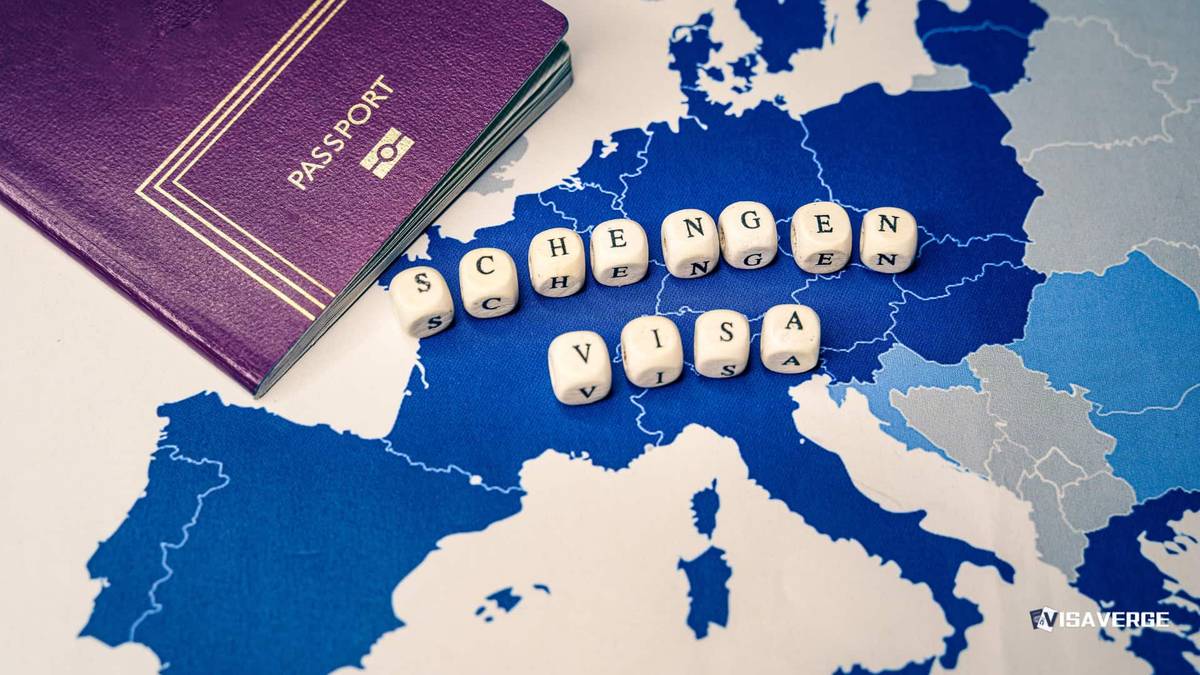
The change gave Kosovo citizens with biometric passports visa-free entry to the 29-country Schengen Area for up to 90 days in any 180-day period. The door opened fast.
Free toolSchengen Short-Stay Visa Calculator
The commission said the first seven months mattered most. Its November 4, 2025 report compared January–July 2024 with the same stretch in 2023, and it tied the surge to the opening months after the rule change.
The asylum surge statistics were official, not anecdotal. The report put the count at 3,905, and it marked one of the clearest early effects of the policy shift.
By late 2025, the picture had started to change. EU data suggested unfounded asylum claims began to decline in the second year as information campaigns about rights and obligations took effect. The early burst did not last at the same pace.
| Milestone | Detail | What the official data said |
|---|---|---|
| January 1, 2024 | visa-free access began for Kosovo biometric passport holders | Travel opened to the 29-country Schengen Area for up to 90 days in any 180-day period |
| January–July 2024 | First seven months after liberalization | 3,905 asylum applications from Kosovo citizens |
| Same period in 2023 | Comparison period used by the commission | The 2024 figure was up 108% |
| November 4, 2025 | Commission report date | The report linked the rise to the first months after the change |
Visa-free entry changed the travel math
The new rule altered movement immediately. Kosovo citizens with biometric passports could go to the Schengen zone without a visa, but only for short stays. That limit still framed every trip. It was not open-ended.
Officials later linked the second-year easing to a different kind of message. Information campaigns about the rights and obligations of visa-free travel appear to have narrowed the gap between travel expectations and asylum use. The shift was visible in late-2025 EU data.
The timing is part of the story. The opening began on January 1, 2024, and the commission’s report arrived on November 4, 2025. That left a long enough window for the first travel wave, the early asylum spike, and the later cooling to show up in official records.
The next comparison will show the full pattern
The second-year decline matters because it came after the first rush had already been counted. It suggests the early numbers were tied to the launch period, not a fixed trend. The system adjusted.
The next full-year comparison will show whether that easing continues. It will also show how far the travel surge and the asylum spike remain linked once the first months of visa-free access are no longer the main story.