- Indonesian officials propose increasing visa fees to one million rupiah for on-arrival applications.
- The tiered pricing aims to reduce airport congestion by incentivizing travelers to apply online.
- The hike follows a recent expansion of visa-free access for nineteen countries and territories.
Indonesia is moving toward a higher Visa on Arrival bill, with a reported plan to lift the e-VOA fee from Rp500,000 to Rp750,000 and the charge for travelers who buy the visa after landing to Rp1,000,000. As of August 14, 2026, officials are still describing the change as a proposal, not a confirmed tariff. The current fee stays at Rp500,000.
Tourism Minister Widiyanti Putri Wardhana said on July 19, 2026:
Free toolB1/B2 Tourist Visa Stay Calculator online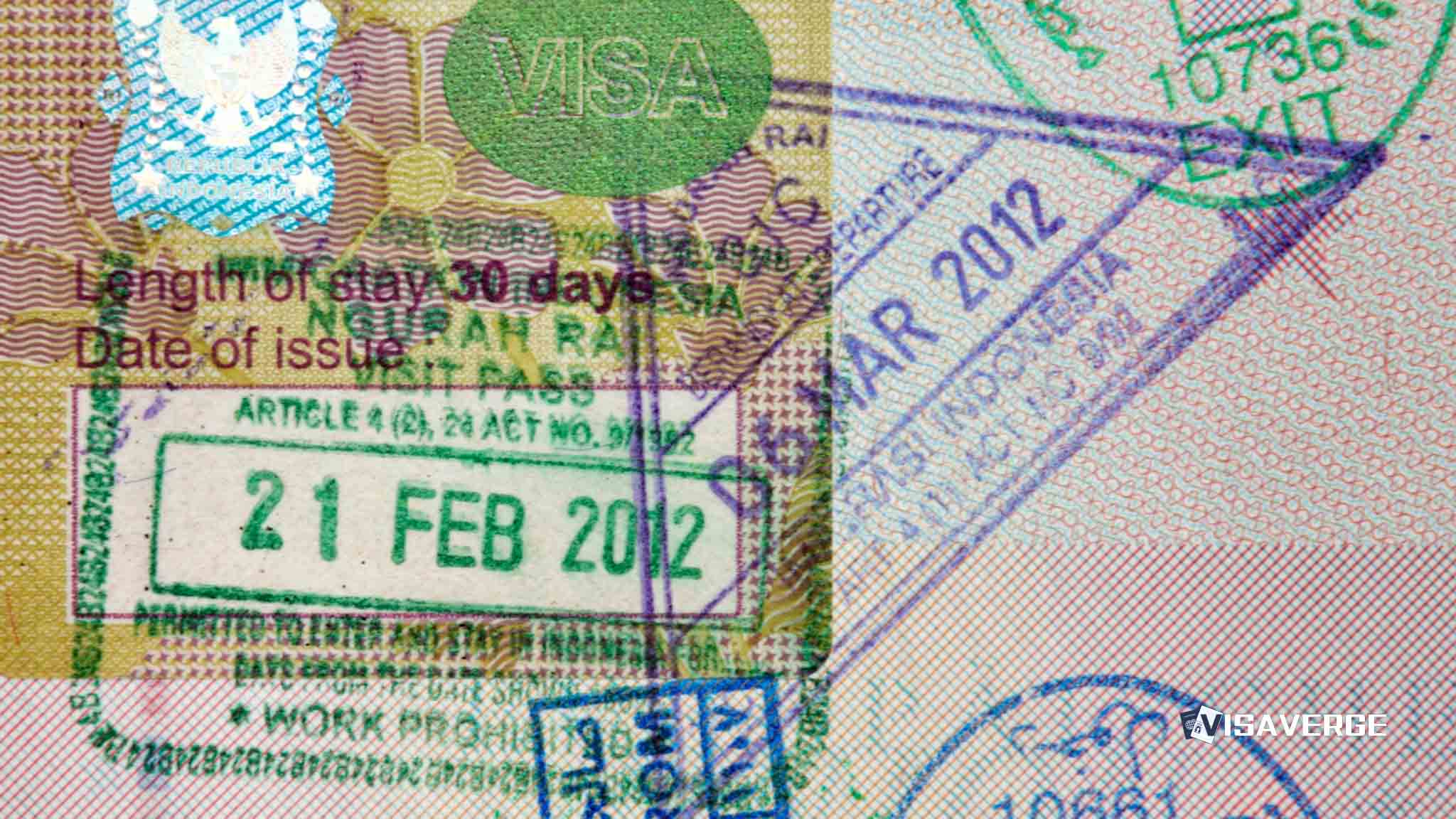
“I don't think there are any plans [to raise visa fees] at this point.”
She added that easing travel requirements is a more effective way of attracting visitors. That came three weeks earlier.
On August 12, 2026, Hendarsam Marantoko, the director general of Indonesian Immigration, defended the shift in Jakarta and linked it to the rupiah and airport crowding. He said:
“As we know, the fee for our visa on arrival is only Rp500,000. Given the fluctuations in the exchange rate, we feel this is too low and therefore needs to be adjusted.”
“The point is that if they apply for the VoA from their home country [online], they pay Rp750,000. If they apply for it at the arrival location, they pay Rp1 million. to prevent the buildup at the airport.”
Airport buildup is the target.
The proposal would create two tiers. Travelers who file online before departure would pay Rp750,000. Those who wait until arrival would pay Rp1,000,000. The lower price sits on the digital side, and the higher price sits at the counter.
The hike followed a July denial
Indonesia also widened visa-free entry under Immigration and Corrections Ministry Regulation No. 10/2026, effective July 9, 2026. The change added Turkey, Brazil, Peru, Kazakhstan, Macau and Belarus, and brought the visa-free list to 19 countries and territories. The country is opening one lane and charging more in another.
The timing matters because the tourism minister’s July 19 comment and the August 12 proposal point in different directions. The government had not been standing still in the meantime. The gap was not long.
The fee move also sits inside a broader turn toward “Quality Tourism.” That strategy includes the Indonesia Quality Tourism Fund, which started with an initial endowment of IDR 2 trillion ($125 million) from the 2025 State Budget. The fund is meant to help finance high-profile international events and sustainable infrastructure. It gives the policy a wider frame.
International visitor spending is expected to reach IDR 344 trillion ($21.8 billion) by the end of 2025, above 2019 levels by 12%. The spending forecast is higher than before. That is the goal.
Charging more while opening other doors
Indonesia’s arrival numbers still trail some of its neighbors. The country logged 7.45 million arrivals in 1H 2026, compared with 21.12 million in Malaysia and 18.5 million in Thailand. Indonesia trails its neighbors.
That gap helps explain why the government is using two tools at once: easier entry for some nationalities, and a higher price for everyone else using paid entry channels. The visa-free list now covers 19 countries and territories, while the paid visa route is being pushed upward in price. The policy mix is clear.