- Indonesia’s immigration chief opposes expanding visa-free access to prioritize high-value tourism over traveler volume.
- A proposed expansion targeting nine key nations and territories faces internal resistance due to revenue and security concerns.
- The policy debate coincides with a major corruption scandal investigation involving eight million dollars in illegal extortion fees.
(JAKARTA, INDONESIA) — Indonesia’s immigration chief urged the government on June 24-25, 2026, to reconsider a plan to widen visa-free access, setting up a public split with the tourism ministry over who should enter the country and on what terms.
Hendarsam Marantoko, director general of immigration, said Indonesia should keep a selective border policy and resist chasing arrivals without clear economic return. “We do not want visitors who do not contribute positively. When visas are waived, we effectively give up a source of state revenue. We must also protect the dignity of the nation.”

Marantoko made the case in Jakarta and during the ASEAN Directors-General of Immigration meeting in Cambodia, held from June 23-25. He tied the debate over visa-free access to revenue, enforcement and what he described as the need to favor higher-value travel over sheer volume.
Free toolUSCIS Receipt Number DecoderThe dispute centers on an “8+1” proposal from Tourism Minister Widiyanti Putri Wardhana to expand Indonesia’s Visa-Free Visit scheme. The ministry wants to add Japan, South Korea, India, Australia, New Zealand, Belarus, Kazakhstan, Macau and Permanent Residents of Singapore.
Wardhana’s ministry has cited a joint World Travel & Tourism Council study that projects the expansion would lift tourist demand by 32.4%. That would strengthen Indonesia’s position in a regional market where governments often use easy entry rules to compete for visitors.
Marantoko has argued that past results do not support a broader waiver. Between 2015 and 2024, Indonesia granted visa-free access to 169 countries without a matching jump in high-spending tourism revenue, he said.
After the government cut that list to 16 countries in 2025, arrivals still rose above pre-pandemic levels, reaching 14.3 million in 2025. Marantoko has used that figure to argue that entry fees do not deter what he calls “quality” travelers.
The argument comes as Indonesia’s immigration system absorbs the fallout from a corruption case that reached the top of the directorate. On June 4, 2026, the Corruption Eradication Commission, or KPK, arrested former immigration director general and deputy minister Silmy Karim and seven other officials.
Investigators say a “fast-track” extortion syndicate collected IDR 145.5 billion (~US$8 million) between 2022 and 2026. The money allegedly came from foreigners who paid under-the-table fees to bypass red tape in residency permit processing, including ITAS and ITAP applications.
Under Minister Agus Andrianto, the new administration has moved to dismantle fast-track services and standardize entry protocols. The effort has been framed as an attempt to restore institutional integrity after the scandal damaged confidence in immigration oversight.
That cleanup has had practical effects on applicants already inside Indonesia. Residency applicants have faced delays in ITAS extensions and work permit processing as anti-corruption probes continued at West Jakarta and Bali offices on June 19, 2026.
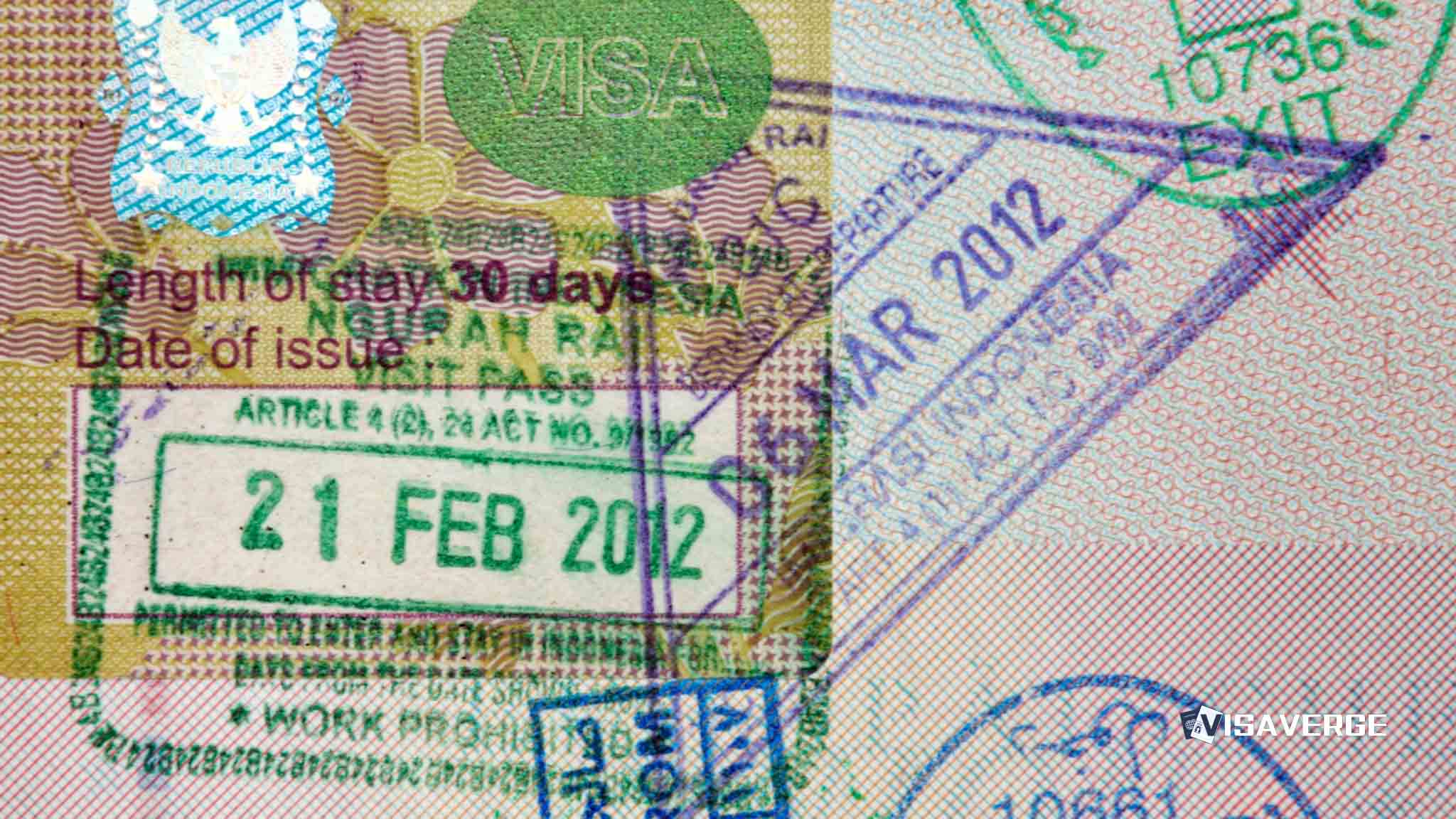
U.S. citizens have not been touched by the visa-free debate. They remain eligible for a 30-day Visa on Arrival or e-VOA priced at IDR 500,000 (~$31 USD), and they are not part of the proposed expansion.
Australians and New Zealanders sit in a more uncertain position. They are among the main targets of the proposed visa-free expansion, but they must keep paying for Visa on Arrival until the government issues a formal decree.
Security concerns have also sharpened the case for tighter screening. The U.S. Embassy in Jakarta announced a joint operation with the Indonesian National Police on June 18, 2026, aimed at disrupting online scam syndicates that have often used tourist visas to enter Indonesia.
“Online scams, ransomware, and cyberattacks impact us all. Together, we can build a bulwark against cyber criminals to protect our citizens,” Chargé d’Affaires Peter Haymond said.
The U.S. State Department kept Indonesia at Level 2 (Exercise Increased Caution) in June 2026. Its advisory warned U.S. citizens in Bali about an ongoing enforcement campaign involving hundreds of police and immigration officials targeting visa violations and illegal work.
Those warnings fit neatly with Marantoko’s call for selective entry controls. His position does not reject tourism growth outright, but it does reject the idea that wider visa-free access automatically serves Indonesia.
The government has not adopted the tourism ministry’s proposal, leaving the plan in dispute inside the administration. Until that changes, the policy line remains narrower: visa fees stay in place for most travelers, enforcement stays tight, and Hendarsam Marantoko’s push to rethink broader visa-free access keeps Indonesia’s immigration debate centered on control as much as competition.