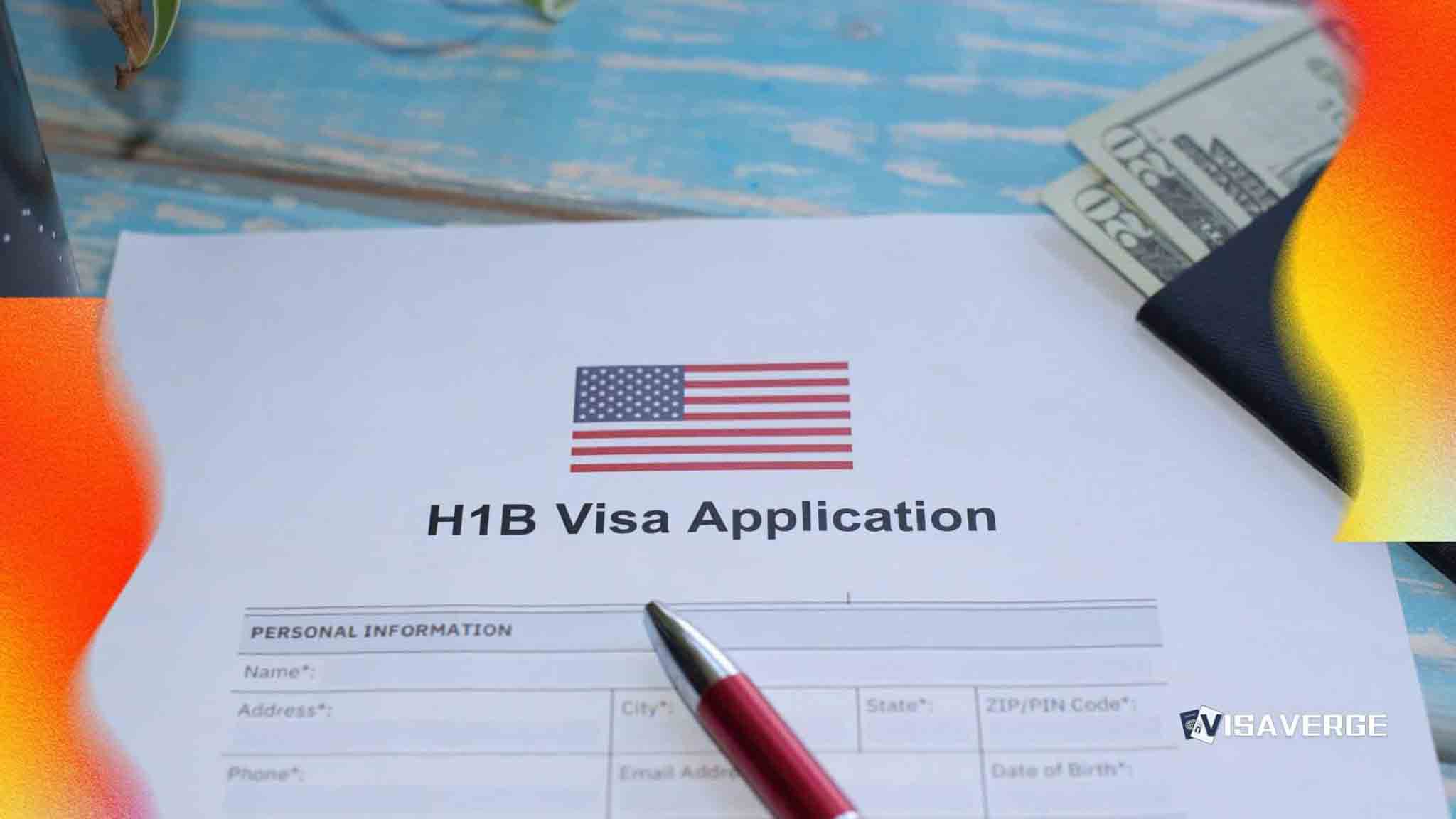
- Representative Chip Roy introduced H.R. 9157 to replace the H-1B lottery with a wage-based system.
- The bill sets a seventy-fifth percentile wage floor for all H-1B occupations across the United States.
- Proposed legislation seeks to eliminate OPT and STEM-OPT programs for international students.
(TEXAS) — Representative Chip Roy (R-TX-21) introduced H.R. 9157, the American White-Collar Worker Jobs Act of 2026, on June 4, 2026. The bill proposes the most sweeping structural overhaul of the H-1B visa program since its creation, replacing the annual lottery with a wage-based selection system.
The legislation arrives three months after the FY 2027 H-1B registration window closed. Registration ran from March 7 through March 24, 2026. USCIS notified selected registrants by March 31 under the beneficiary-centric system, which allows one registration per worker regardless of how many employers sponsor them.
Selected petitioners have until June 30, 2026, to file Form I-129. The FY 2026 lottery received approximately 442,000 registrations with a selection rate near 27%. H.R. 9157 would render that random selection mechanism obsolete if enacted into law.
Free toolH-1B Cost Calculator OnlineUnder the bill’s framework, visas within the 65,000 regular cap and 20,000 master’s cap would be awarded by wage rank rather than chance. Employers offering the highest salaries would receive priority. The current four-tier prevailing wage structure, ranging from Level I at the 17th percentile to Level IV at the 67th percentile, would be replaced entirely.
H.R. 9157 sets a new wage floor at the 75th percentile for the occupation in the specific geographic area, or the employer’s actual wage for similarly situated U.S. workers, whichever is higher. A Software Developer (SOC 15-1252) in San Francisco currently carries a Level I prevailing wage of approximately $134,451.
The 75th-percentile requirement would push that floor substantially higher. Employers in lower-cost metropolitan areas would face proportionally larger increases from current Level I rates.
The Department of Labor would face a new statutory restriction under the bill. DOL could not approve H-1B applications for occupations where the local unemployment rate exceeds 2%. Employers who conduct layoffs in a job category would face a one-year ban on hiring H-1B workers in that same category.
The bill also eliminates Optional Practical Training and STEM-OPT. These programs currently allow international students to work in the United States for up to three years after graduation. Removing them would strip F-1 students of their primary bridge to H-1B status and force thousands of graduates to depart immediately upon degree completion.
| Proposed Change | Current System | H.R. 9157 |
|---|---|---|
| Selection Method | Random lottery | Wage-based priority |
| Wage Floor | Level I (17th percentile) | 75th percentile |
| OPT/STEM-OPT | Up to 3 years | Abolished |
| Dual Intent | Permitted | Eliminated |
| Workforce Cap | No federal limit | 5% per employer |
| Worker Remedy | Administrative complaints | Right to sue |
H.R. 9157 would end dual intent for H-1B holders. Under current law, H-1B beneficiaries can simultaneously hold nonimmigrant status and pursue permanent residency. The bill legally decouples H-1B status from the green card path, converting the visa into a strictly temporary, non-renewable stay.
Current H-1B holders with pending adjustment-of-status applications would face uncertainty about their transition.
No employer could staff more than 5% of its U.S. workforce with nonimmigrant visa holders. Displaced American workers would gain a statutory right to sue employers who violate the bill’s recruitment and layoff provisions. This private right of action represents a shift from the current administrative complaint process at DOL.
⚠️ Employer Alert: H.R. 9157 is proposed legislation, not enacted law. The FY 2027 cap season proceeded under existing rules. Continue current compliance while monitoring congressional action.
As of June 25, 2026, neither DHS nor USCIS has issued a formal statement endorsing or opposing H.R. 9157. The bill’s introduction does align with priorities expressed in recent executive branch testimony and action.
DHS Secretary Markwayne Mullin addressed the Senate Appropriations Committee on June 3, 2026, regarding the FY 2027 budget. His testimony emphasized the administration’s commitment to prioritizing American labor. The budget request totals $118.4 billion for DHS operations.
A Presidential Proclamation signed September 19, 2025, titled “Restriction on Entry of Certain Nonimmigrant Workers,” described itself as an initial step to reform the H-1B program. USCIS alerts characterized the proclamation as targeting program abuses. Legislative analysts view H.R. 9157 as the statutory completion of those executive actions.
The bill would affect U.S. workers, international students, H-1B holders, and employers in different ways. U.S. tech workers could see wage protection if the 75th-percentile floor reduces salary suppression. International students would lose their primary post-graduation work authorization.
Current H-1B holders would face a severed pathway to permanent residency. Employers would face higher labor costs, the one-year post-layoff hiring ban, and the 5% workforce cap.
📊 Legislative Status: H.R. 9157 was introduced June 4, 2026, and referred to the House Judiciary Committee. No hearing is scheduled. The Senate has not filed companion legislation.
Workers not selected in the FY 2027 lottery still have options under existing law. Cap-exempt employers, including universities and nonprofit research institutions, can file H-1B petitions year-round without lottery competition. The O-1 visa remains available for individuals with extraordinary ability.
The L-1 intracompany transfer visa serves multinational employees. Self-sponsored EB-1A and EB-2 NIW petitions offer paths outside the H-1B framework. H.R. 9157 would not directly eliminate these alternatives, though its broader restrictions on nonimmigrant workers could affect future eligibility.
💼 Employee Tip: H-1B holders with pending green card applications should consult an immigration attorney about contingency planning. The bill’s elimination of dual intent could affect adjustment-of-status filings if enacted.
The FY 2028 H-1B registration window is expected to open in early March 2027.