- New H-1B regulations prioritize higher-wage registrations through a ranking system that favors top-earning applicants.
- Small businesses face a one hundred thousand dollar fee per H-1B petition effective August sixth, twenty twenty-six.
- The administration added sixty-four thousand seven hundred sixteen supplemental H-2B visas for seasonal businesses facing irreparable harm.
A UK Home Office policy investigation linked car washes and vape shops to sponsorship of skilled foreign workers, while separate U.S. measures have raised costs and tightened selection for smaller employers.
The British findings do not describe the U.S. visa system. In the United States, the Department of Homeland Security has moved toward higher wages, greater scrutiny and a much larger H-1B charge.
Free toolH-1B Cost Calculator Online
Small businesses have not been categorically barred. The economics have changed.
On December 23, 2025, DHS issued a final rule replacing the random H-1B selection process with salary-based ranking. The rule took effect February 27, 2026.
The new system ranks registrations from the highest prevailing wage level downward. That makes H-1B sponsorship virtually impossible for businesses seeking workers in lower-paid roles unless they offer salaries well above industry averages.
DHS said the change responded to concerns that employers had flooded the selection pool with lower-paid workers. The agency said the weighted approach would favor higher-skilled and higher-paid workers while preserving access at all wage levels.
The H-1B price has reached $100,000 per petition
A separate measure now places a $100,000 annual fee on each H-1B petition. The charge was introduced August 6, 2026, after a presidential proclamation called for a fundamental change in the program’s economic model.
A federal court in San Francisco initially blocked the policy. An administrative stay granted June 12, 2026, temporarily restored the fee while appeals continue.
The added cost has already affected smaller employers. Petitions from small businesses fell 19% compared with August 2025.
That charge applies alongside the wage-based selection system. An employer must therefore offer a competitive prevailing wage and absorb a six-figure annual payment before placing an H-1B worker in the job.
USCIS has also expanded site visits and fraud-detection work involving specialty occupations in industries that do not traditionally require a bachelor’s degree.
USCIS has barred four companies as “willful violators”
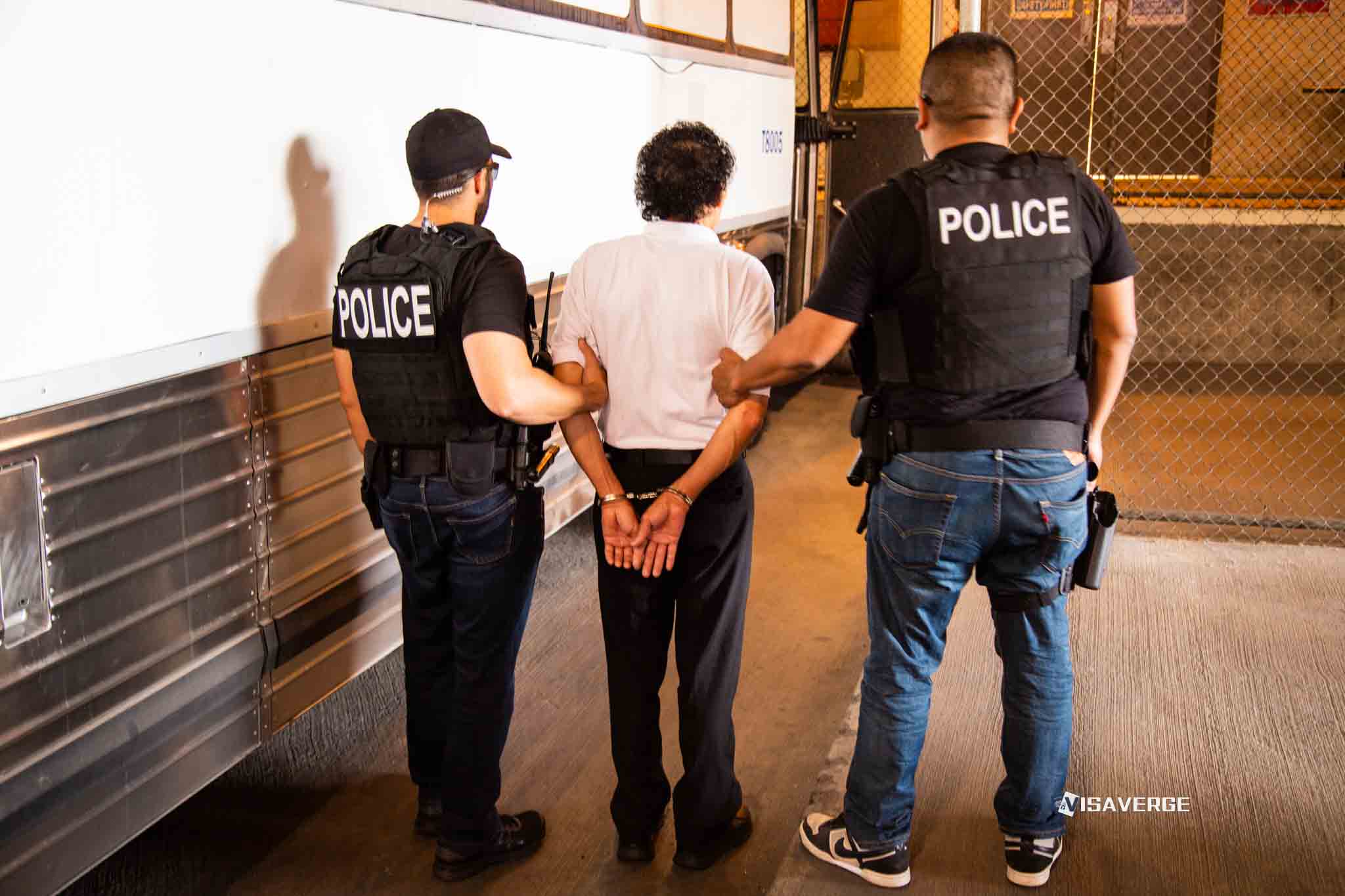
On August 1, 2026, USCIS announced that it had barred four major companies after designating them “willful violators.” The agency said the businesses misrepresented job duties and underpaid foreign workers.
The enforcement action adds another risk for employers whose listed positions do not match the work performed. Specialty-occupation cases involving industries outside the traditional professional sectors face particular scrutiny.
Employers carry the compliance burden. They must accurately describe the position, pay the required wage and maintain the conditions presented in the petition.
Workers face a different exposure. A misleading job description or underpayment can affect the petition supporting their employment, even when the employee did not prepare the filing.
H-2B employers can request 64,716 additional workers
The administration has not closed every route used by seasonal businesses. On July 27, 2026, USCIS announced a temporary final rule adding 64,716 H-2B visas for fiscal year 2026.
The supplemental allocation comes with a harm-based limit. USCIS said the visas are available only to U.S. businesses facing irreparable harm, or impending irreparable harm, without all the H-2B workers requested in their petitions.
That program does not operate like H-1B sponsorship. H-2B covers temporary nonagricultural employment, while the new H-1B process focuses on ranking registrations by prevailing wage level.
The distinction affects business planning. A company seeking temporary labor must show the required harm, while a company seeking H-1B workers must meet the specialty-occupation and wage requirements under the separate program.
Other 2026 rules add language and admission limits
Employers seeking labor certification for commercial vehicle operators must provide proof of English proficiency beginning June 15, 2026. Acceptable evidence includes a standardized examination or a signed attestation.
The requirement applies to the employer’s labor-certification process. Workers must supply the underlying evidence or attestation needed for the filing.
DHS also ended duration of status for F-1 and J-1 nonimmigrants in a final rule published July 17, 2026. The replacement system uses a fixed admission period ending September 15, 2026.
That change affects students and exchange visitors rather than H-1B or H-2B employers directly. F-1 students must now seek formal extensions instead of relying on duration-of-status protection, creating a processing backlog.
The rules are arriving alongside tighter employment-based visa availability. The August 2026 Visa Bulletin lists September 1, 2024, for EB-3 skilled workers, while EB-2 India is unavailable for the rest of the fiscal year.
Those dates govern immigrant visa availability, not the temporary H-1B and H-2B programs. They still shape longer-term planning for workers pursuing permanent residence.
Sponsorship remains possible, but the filing strategy has split
The UK policy investigation and the U.S. measures describe different systems. The UK material concerns small high-street businesses that reportedly retained sponsorship licenses, while the American rules target wage levels, petition costs and compliance practices.
A U.S. employer considering H-1B sponsorship must budget for the $100,000 annual charge, prepare a role that meets the wage and specialty-occupation requirements, and expect closer scrutiny when the business traditionally hires workers without bachelor’s degrees.
An employer pursuing H-2B workers faces a different test. The business must establish irreparable harm or impending irreparable harm to qualify for the supplemental allocation.
Workers should review the job duties, wage and status requested in any petition filed on their behalf. Their immigration position can depend on details controlled by the sponsoring employer.
The current H-1B fee remains subject to further appeals after the June 12 administrative stay. The H-2B supplemental allocation applies to fiscal year 2026, and the fixed F-1 and J-1 admission period ends September 15, 2026.