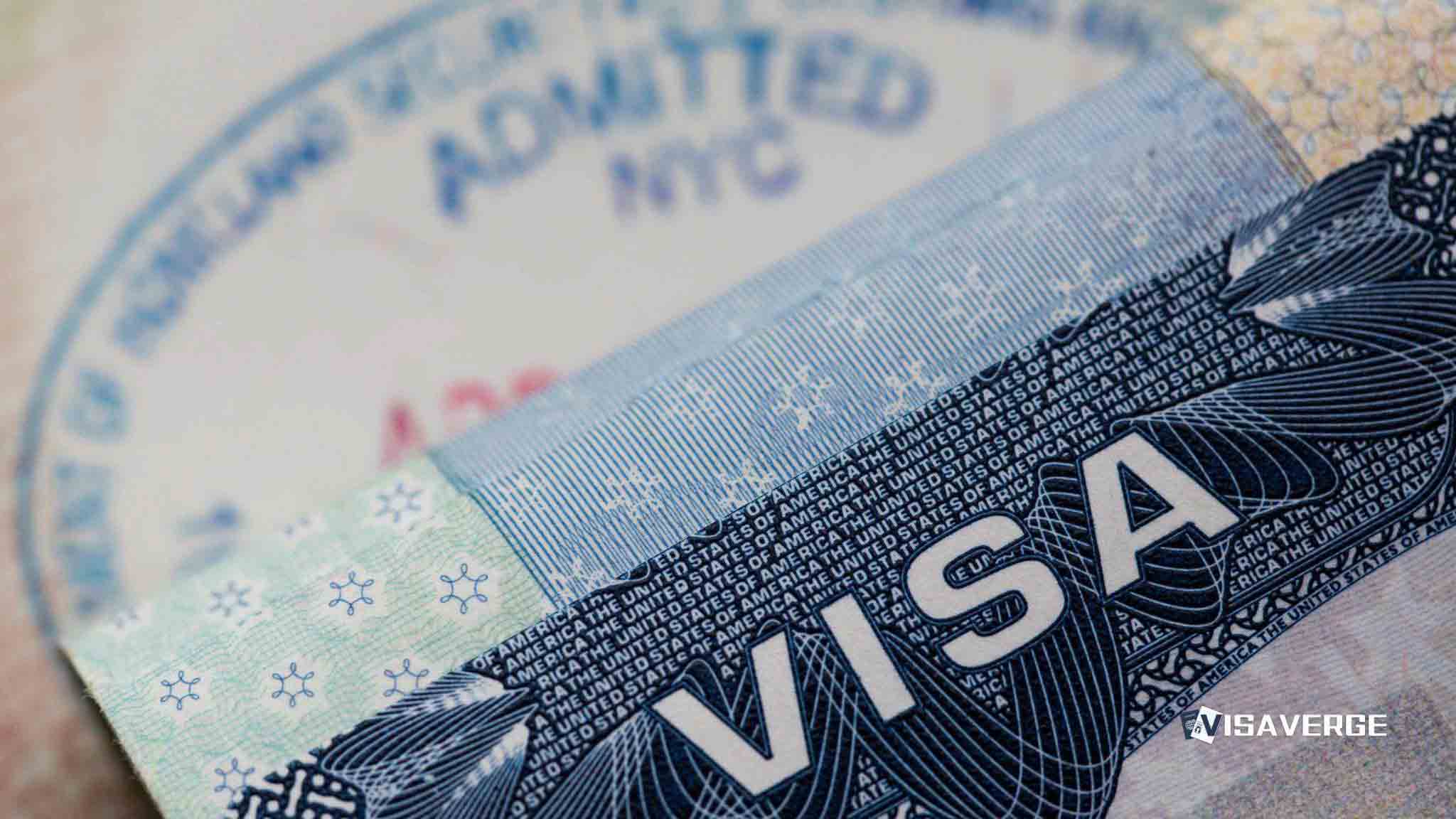
- USCIS confirmed the 85,000 H-1B cap was reached for FY 2027 despite a massive new fee.
- A $100,000 supplemental entry fee targeted overseas applicants but did not reduce the overall visa issuance.
- Total registrations fell to 210,000, yet demand still exceeded the available supply by over double.
(UNITED STATES) — U.S. Citizenship and Immigration Services imposed a $100,000 supplemental H-1B entry fee in September 2025, but the agency’s own numbers show the charge did not cut the annual number of visas issued under the program’s congressional limit of 85,000.
USCIS said on March 31, 2026 that it had “received enough electronic registrations for unique beneficiaries during the initial registration period to reach the fiscal year 2027 H-1B numerical allocations (known as the H-1B cap), including the advanced degree exemption (master’s cap).”

The result left the cap unchanged even after the new fee raised the cost of many overseas filings by $100,000 on top of standard registration and petition charges. USCIS data and agency statements point to the same outcome: demand fell, but not enough to leave any of the 85,000 cap numbers unused.
President Trump signed the Presidential Proclamation titled “Restriction on Entry of Certain Nonimmigrant Workers” on September 19, 2025. It took effect on September 21, 2025.
Matthew Tragesser, USCIS Spokesman, described the move in a statement dated November 13, 2025. “USCIS is doing its part to protect American workers by implementing the President’s Proclamation. an important initial step to reform the H-1B nonimmigrant visa program. Under the Proclamation, as of Sept. 21, H-1B petitions must be accompanied by an additional $100,000 payment as a condition of eligibility.”
Tragesser returned to the policy in another statement dated December 23, 2025. “As part of the Trump Administration’s commitment to H-1B reform, we will continue to demand more from both employers and aliens so as not to undercut American workers and to put America first.”
The fee applies to certain new H-1B petitions and works as a one-time supplemental payment. USCIS limited its reach to petitions for beneficiaries outside the United States or cases seeking consular processing.
Several large parts of the H-1B system remained outside that fee. Beneficiaries already in the country who sought a change of status, including many F-1 students moving into H-1B status, generally did not face the charge.
Routine extensions, amendments and change-of-employer petitions for workers already in valid H-1B status also stayed exempt. That distinction shaped the first months of the policy more than the headline number did.
USCIS data from earlier years help explain why. In FY 2024, 54% of H-1B beneficiaries were already in the United States, placing them in a pool that the new fee did not touch.
More than half of demand therefore sat in an exempt category before the policy even reached the first full registration cycle. Employers still had access to a large domestic pool of foreign nationals, especially students and other workers already in the country.
The first full test came during the FY 2027 registration season in March 2026. USCIS filled the cap during the initial registration window, which ran from March 4 to March 19, 2026.
Total registrations fell sharply from approximately 343,981 in FY 2026 to an estimated 210,000 in FY 2027. Even after that decline, demand still exceeded supply by more than double.
That gap matters because the H-1B cap does not rise or fall with employer appetite in a single season. Congress set the annual total at 85,000, including the advanced degree exemption, and USCIS confirmed that the government still received enough registrations to reach it.
Another rule change arrived just before that filing window. The Wage-Weighted Selection Rule took effect on February 27, 2026, adding a second filter to a system already reshaped by the new fee.
The rule prioritizes higher-paid Level IV and Level III applicants. It now operates alongside the $100,000 supplemental H-1B entry fee, pushing selection toward employers that can offer higher wages and, in some cases, absorb far higher filing costs.
Together, the two measures altered who could compete more easily for cap numbers, even though they did not reduce the number of visas available. The annual total stayed fixed; the mix of workers and employers chasing those slots changed.
U.S.-based international students moved into a stronger position under that design. Employers seeking to sponsor graduates already in the country could avoid the $100,000 fee if the case involved a change of status inside the United States.
Workers abroad faced the opposite equation. A company hiring directly from another country or using consular processing for a new petition had to decide whether the candidate justified a six-figure surcharge before standard filing costs even entered the picture.
That structure favored employers with deep budgets and existing U.S. pipelines. Startups and smaller firms looking overseas confronted a far steeper barrier than larger companies that could recruit from U.S. campuses or absorb higher costs.
The pattern also helps explain why lower registration totals did not translate into fewer visas. A smaller applicant pool can still fill the cap quickly when the cap stands at 85,000 and exempt candidates make up a large share of demand.
USCIS data show that point directly. Registrations dropped by more than 130,000 from one fiscal year to the next, yet the agency still announced a full selection within the first registration period.
The agency presented the fee as part of a wider H-1B overhaul rather than a standalone deterrent. USCIS statements in November 2025, December 2025 and March 2026 tied the proclamation, the fee and later rule changes to a broader reform effort.
That approach left two effects visible at once. The government kept the annual visa count at the statutory ceiling, while the cost of reaching that ceiling shifted more heavily onto employers sponsoring some new workers from abroad.
Data in the first months after implementation suggest the policy narrowed access rather than shrinking overall issuance. Employers still found enough registrants, especially among people already in the United States, to meet the cap.
The fee’s practical reach therefore turned on where a worker was located and how the petition was filed. A graduate changing status in the country often escaped the surcharge; an equivalent professional abroad could trigger the full $100,000 payment.
USCIS has posted the policy on its H-1B Specialty Occupations page, including a section on the Presidential Proclamation updated on March 31, 2026. The agency also published its cap announcement in the USCIS Newsroom under “FY 2027 H-1B Initial Registration Selection Process Completed.”
The weighted selection rule appears in the Federal Register under “Weighted Selection Process for H-1B Cap-Subject Petitions”, with an effective date of February 27, 2026. Those records, taken together with USCIS data, show a policy that raised the price of some entries into the system but left the yearly H-1B total at 85,000.