- The DOL OIG is expanding H-1B fraud investigations after tips from whistleblowers and public complaints increased.
- USCIS highlighted a Florida case where job experience requirements allegedly differed by more than five years.
- Employers using third-party placements face audits, site visits, and record requests as investigators examine payroll and worksite details.
The Department of Labor’s Office of Inspector General is intensifying its H-1B fraud investigations as public complaints and information from whistleblowers pour in. The agency has issued a blunt warning to suspected violators: “count your days.”
Investigators say the incoming information is helping them develop cases. The campaign reaches employers, labor brokers and visa-mill operations tied to H-1B and PERM filings.
Free toolH-1B Cost Calculator Online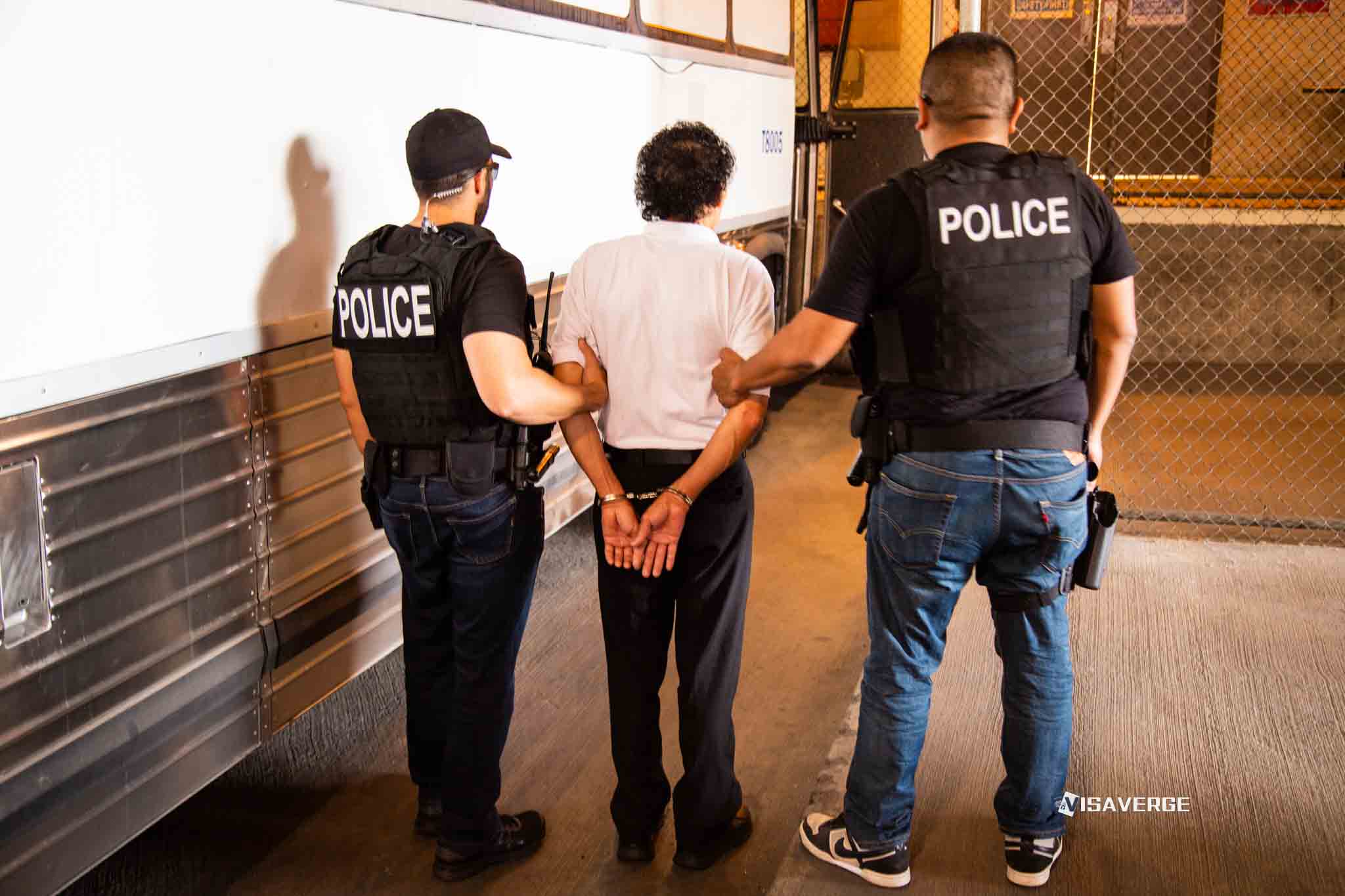
The pressure is practical. Sponsors could face audits, site visits, hotline referrals and requests for records as agencies test whether submitted job details match workplace reality.
The effort also sits inside a wider federal operation. The White House Task Force to Eliminate Fraud has included both H-1B and PERM matters in its scope.
A Florida petition shows the kind of mismatch drawing attention
U.S. Citizenship and Immigration Services has been publishing examples of suspected misconduct. One Florida petition allegedly described a position as requiring two years of experience, while the end client said the job required more than seven.
That gap puts the job requirement itself under scrutiny. It also illustrates why client records, position descriptions and petition evidence may be examined together.
The agencies’ public warnings serve two purposes. They signal active investigations and encourage people with direct knowledge to contact investigators.
Third-party placement chains face the sharpest document scrutiny
Employers that place workers through outside companies face particular exposure. The risk rises when a case depends on third-party placements, labor brokers or questionable descriptions of the offered position.
Sponsors should review their files now. The review should cover job descriptions, worksite details, end-client letters, salary records and consistency with the labor condition application.
Site visits may bring added pressure. Employers using third-party worksites should be prepared for document requests and questions about where the worker performs the job, who supervises the work and whether the filed terms match the arrangement.
The campaign has also reached beyond a single visa category. Companies already under investigation may see effects on PERM filings and other immigration-related processes, including suspensions announced in related enforcement actions.
Investigators are tying the campaign to more than paperwork errors
The DOL OIG has connected the enforcement drive to fraud, human trafficking, wage kickbacks and abuse involving H-1B and PERM programs.
The allegations can involve workers as well as companies. Some workers have reportedly faced pressure connected to fake job placements, kickback arrangements or pay-to-play visa schemes.
USCIS’s decision to publicize examples points to a broader integrity effort rather than isolated case handling. The tone from enforcement officials is also intended to deter conduct before investigators complete individual cases.
Public tips and firsthand accounts are helping investigators build cases involving alleged H-1B abuse.
The message carries a different consequence for each side of the employment relationship. Employers must show that their filings, worksites and wage records align. Workers may hold evidence that employers or intermediaries do not control.
Workers and employers now have different records to protect
Employers should preserve the records that establish the offered position and the actual assignment:
- Job descriptions and end-client letters
- Worksite information and placement records
- Salary records and labor condition application materials
- Documents showing the duties and experience requirements presented to agencies
Workers who suspect misconduct should keep their own evidence. That can include messages, contracts, pay records and placement documents.
The records may help establish pressure or retaliation. They may also show whether a promised job existed, whether wages were returned to an intermediary or whether a placement arrangement differed from the petition.
People with firsthand knowledge of kickbacks or sham sponsorships can submit information through federal whistleblower channels referenced by the DOL OIG. Workers should retain copies of relevant material and avoid altering the original records.
A legitimate worker is not the stated target merely because an employer uses the H-1B program. The enforcement indicators identified in the campaign are inconsistent job requirements, broker-driven arrangements, wage kickbacks, sham sponsorships and related abuse.
The agency activity may still create collateral consequences. Companies under scrutiny could encounter problems involving PERM filings and other immigration processes while investigators examine the underlying conduct.
The investigation pipeline is expanding as tips continue to arrive. Employers that rely on weak documentation or inflated requirements face the clearest near-term exposure, while cases without those indicators remain outside the stated focus of the crackdown.