- Recent Supreme Court rulings have tightened asylum and removal rules, allowing for faster deportations of certain permanent residents.
- A critical deadline on July tenth, twenty twenty-six affects signature requirements and specific Haiti TPS work authorizations.
- Protests in South Africa have disrupted U.S. embassy operations, causing significant delays for visa applicants and citizen services.
(SOUTH AFRICA) — The immediate legal effect of the Trump administration’s late-June immigration wins is sharper screening, faster removals in some cases, and shorter timelines for people relying on temporary protections, while unrest tied to the March and March protests in South Africa has added a separate layer of risk for visa applicants, U.S. citizens, and migrants on the ground.
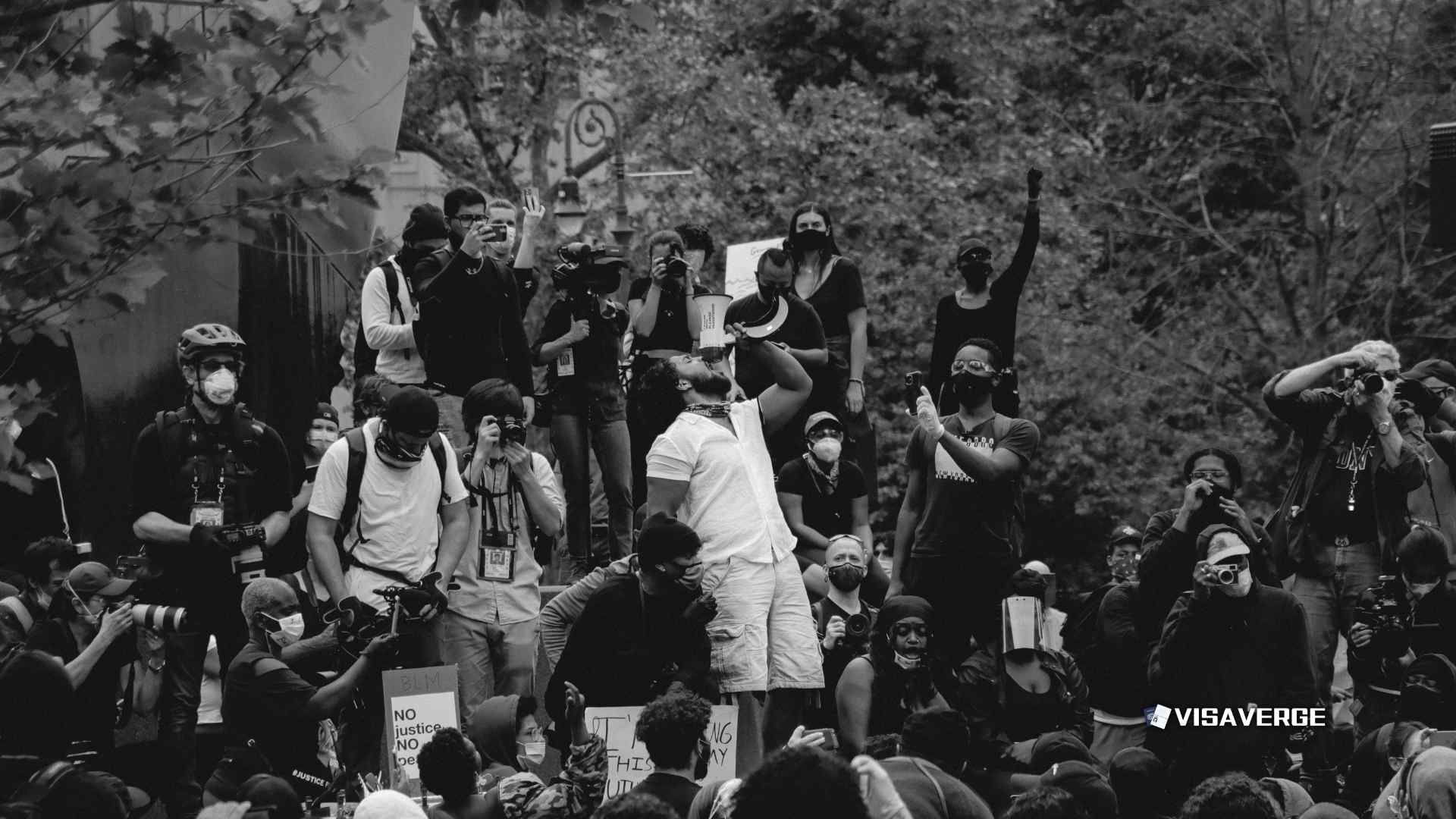
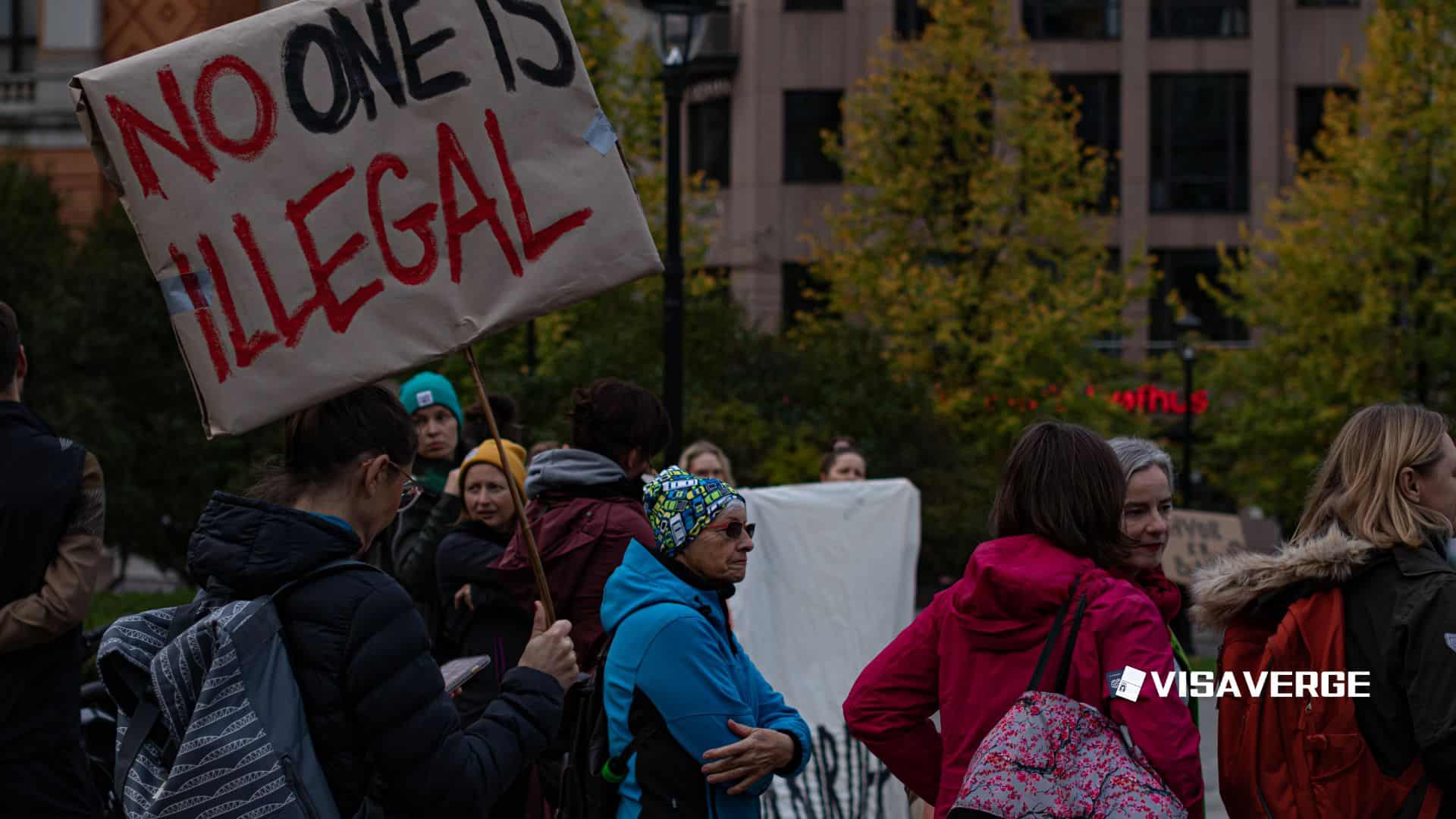
The protests resumed on Thursday, July 9, 2026, under the leadership of Jacinta Ngobese-Zuma. March and March says it will stage demonstrations every Thursday for six months. The movement demands mass deportation of undocumented migrants, tighter border enforcement, and a review of asylum policy in South Africa. Those demonstrations are not a U.S. case, but they intersect with a period of unusually aggressive messaging from the U.S. Department of Homeland Security and USCIS.
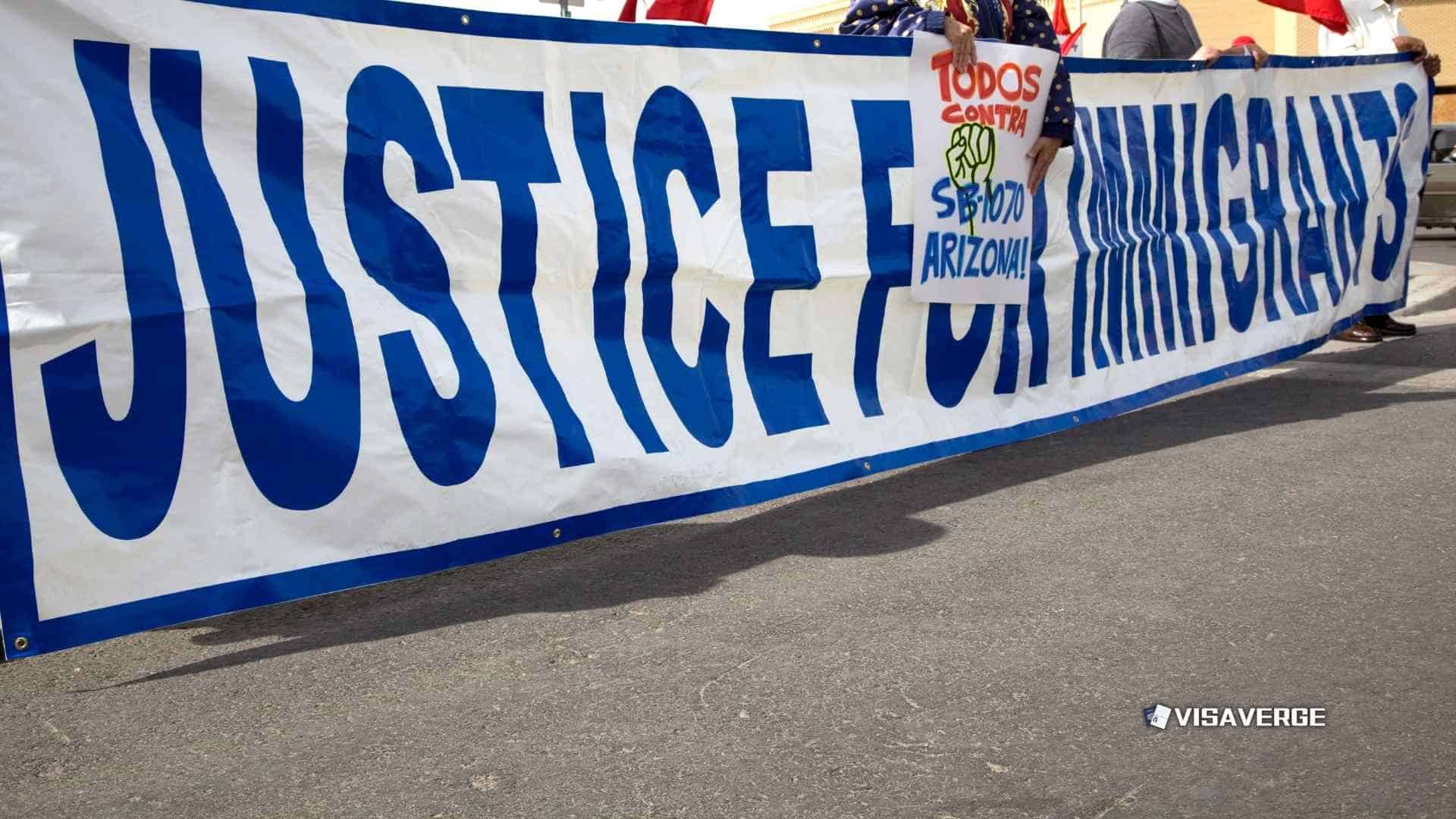
DHS framed three Supreme Court rulings issued on June 25, 2026 as major enforcement victories. In a public statement, DHS said the decisions limited asylum claims by noncitizens who had not entered the United States, eased removal of some lawful permanent residents with criminal convictions, and confirmed that Temporary Protected Status can end. That summary matters in practice because agencies often treat Supreme Court language as an instruction to tighten adjudications immediately, even before lower courts resolve follow-on disputes.
Free toolUSCIS Receipt Number DecoderThe asylum piece appears to track the long-running statutory debate over who may apply under INA § 208. DHS described the ruling as barring asylum applications by people who have not set foot in the United States. If that reading holds, it narrows arguments by applicants seeking to press claims from outside the country or at the threshold of entry. Lawyers will likely focus on how ports of entry, parole processing, and expedited removal are treated after the opinion.
The lawful permanent resident ruling may carry the widest practical effect inside removal proceedings. DHS said the Court made it easier to remove green card holders who commit crimes. That language points to a stricter reading of deportability grounds under INA § 237 and, depending on the offense, a narrower path to cancellation or other relief. The precise reach will depend on the statutory category at issue, including crimes involving moral turpitude, aggravated felonies, and controlled substance offenses.
The TPS ruling has already produced a concrete deadline. USCIS said on July 1, 2026 that certain Haiti TPS beneficiaries remain employment-authorized for Form I-9 purposes only through July 10, 2026, pending further litigation. Employers and workers typically need to check the exact Federal Register notice, the EAD category, and the court order before acting, because TPS timelines can shift quickly and not every beneficiary is covered in the same way.
USCIS also used the same period to restate a point that immigration courts and the Board of Immigration Appeals have recognized for years: an approved family petition is not lawful status by itself. The agency’s July 6, 2026 warning on Form I-130 said a pending or approved petition does not confer immigration status. That is consistent with the structure of adjustment law under INA § 245 and with cases such as Matter of Hashmi, 24 I&N Dec. 785 (BIA 2009), where an approved visa petition may support later relief but does not itself prevent removal.
Warning: A pending or approved Form I-130 does not provide lawful presence, work authorization, or protection from detention. People with prior removal orders, unlawful entry, or criminal history should get case-specific legal advice before attending interviews or check-ins.
Another immediate change arrives on July 10, 2026. USCIS says filings lacking a valid signature may be rejected or denied without the earlier chance to cure the defect. That rule affects family petitions, adjustment filings, employment requests, and humanitarian applications. Signature defects have always been risky under 8 C.F.R. § 103.2; the difference now is that the agency has announced less tolerance for later correction.
The South Africa protests matter to immigration practice for a separate reason: access. The U.S. Mission issued a demonstration alert on June 29, 2026, and reduced operations at the embassy in Pretoria and consulates in Johannesburg, Cape Town, and Durban reportedly delayed visa processing and some citizen services. Applicants with immigrant or nonimmigrant visa appointments may face rescheduling, longer security screening, and postponed document intake. Current alerts appear on the U.S. Mission site.
Conditions in South Africa also intersect awkwardly with Washington’s refugee policy. Executive Order 14204, signed on February 7, 2025, prioritized resettlement of White South Africans. That policy sits alongside a harder line on asylum, TPS, and spousal vetting for other groups. The result is not a single doctrine; it is a selective enforcement pattern. Lawyers handling refugee, asylum, or family cases will likely cite that contrast in policy arguments, but courts usually return to statutory text, not rhetoric.
Deadline: Haiti TPS-related work authorization recognized for certain Form I-9 purposes runs through July 10, 2026, under current USCIS guidance. Employers should review the latest No circuit split is clear yet from the public summaries alone, but immigration litigators will watch for divergent readings in the courts of appeals. The key fault lines are familiar ones: what counts as entry or presence for asylum access, how criminal statutes map onto removability, and how much deference agencies receive when TPS ends. If the Supreme Court opinions leave room on those questions, the Second, Ninth, and Fifth Circuits may not read the same language the same way.
The practical impact on similar cases is immediate. People pursuing asylum claims tied to transit or extra-territorial processing may face steeper threshold challenges. Green card holders with pending criminal cases need immigration counsel before any plea, because criminal dispositions can trigger detention and removal consequences long before a conviction feels final in state court. Spouses of U.S. citizens with approved petitions still need an independent basis to adjust, consular process, or seek waivers if they are inadmissible.
People in South Africa who must deal with the U.S. immigration system have an additional problem: timing. Reduced embassy operations can disrupt visa issuance, document collection, and emergency travel planning. U.S. citizens should monitor the embassy for security updates. Noncitizens with U.S. filings should keep copies of receipts, appointment notices, and passports available, because postponements often create downstream deadline problems.
Practice point: Any filing submitted on or after July 10, 2026 should be reviewed for every required signature. A missing signature can now lead to rejection or denial at intake, which may affect priority dates, status, and work authorization.
Attorneys are likely to treat this period as one requiring triage. Criminal-immigration cases need fast review under INA § 237. Family-based cases require a status analysis beyond the Form I-130. TPS holders need document-specific review. Asylum applicants may need to revise arguments around entry, parole, and procedural posture. Official statements from DHS and Anyone affected by these rulings or by the March and March unrest should consult counsel quickly, especially before travel, filing, plea negotiations, or consular appointments. Fact patterns involving unlawful entry, prior removals, criminal charges, TPS, or family petitions often turn on small details that change the legal outcome.
⚖️ Legal Disclaimer: This article provides general information about immigration law and is not legal advice. Immigration cases are highly fact-specific, and laws vary by jurisdiction. Consult a qualified immigration attorney for advice about your specific situation.
Resources:
Lawyer Referral
Immigration Advocates Network
People also ask
Answers from VisaVerge guidesWhat practical steps do lawyers advise for travelers with immigration deadlines during this disruption?
Lawyers suggest booking earlier flights and building long layovers before important consular appointments to reduce risk.
Read: Airbus A320 Directive Keeps Flights Delayed; Normal Ops Not HereWhat actions should people take if they have a pending immigration application due to recent policy changes?
People with pending applications should know their rights, gather documents, contact legal help, check their status, and stay informed about updates from official sources.
Read: Debate Intensifies Over Military’s Expanding Role in Immigration PolicyWhat is the impact of USCIS policy changes on certain asylum applications?
USCIS has implemented a Hold and Review memorandum affecting asylum applications for citizens of 39 countries.
Read: FAA Announces Largest Structural Reorganization Under Flight Plan 2026 to Modernize National Airspace SystemWhat does the USCIS memorandum emphasize as of January 1, 2026?
The USCIS memorandum emphasizes stricter, “totality of the circumstances” reviews of good moral character (GMC) in U.S. citizenship-related adjudications as of January 1, 2026.
Read: Spain’s Citizenship Proposal for Puerto Ricans Is a Wake-Up Call for WashingtonWhat are the potential risks for immigrants with pending cases due to these policy changes?
Immigrants with pending cases face higher arrest risks and should be aware that they could still be arrested by ICE if they are believed to be in the country without legal status.
Read: ICE Expands Arrest Discretion Near Courthouses Amid Legal Concerns



Related Coverage