- Home Minister Saifuddin Nasution Ismail approved 78 Rohingya detainees for refugee status under Malaysia’s D-P-P program.
- A pilot program identifies 25 eligible workers among the approved refugees for future legal employment opportunities.
- Authorities plan to expand refugee registration nationwide for U-N-H-C-R cardholders starting in the second half of 2026.
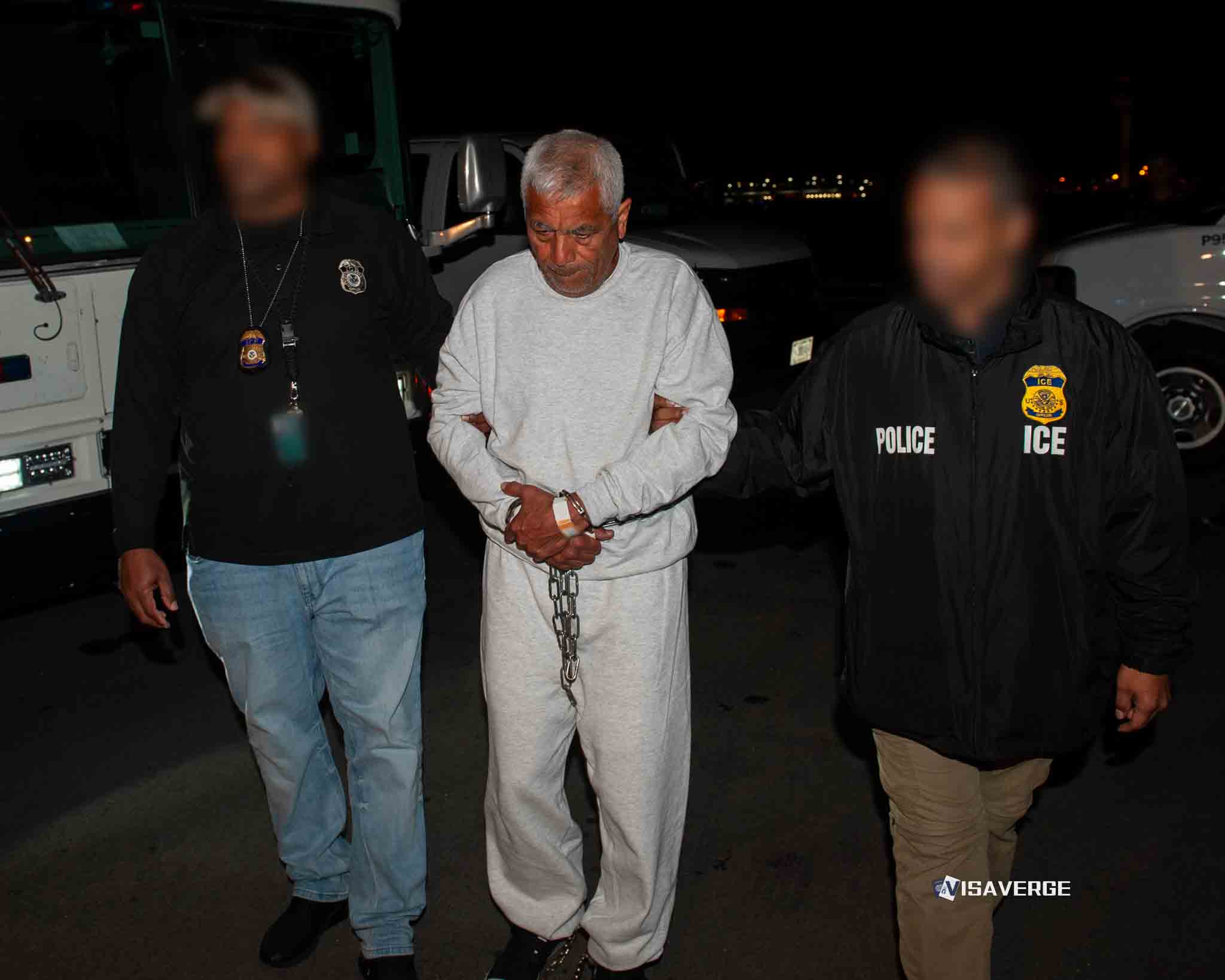
(BIDOR, PERAK, MALAYSIA) – Home Minister Datuk Seri Saifuddin Nasution Ismail said 78 Rohingya detainees at the Special Detention Centre for Refugees and Asylum Seekers in Bidor, Perak, have been approved for refugee status under the Refugee Registration Document, or DPP, programme.
Of those approved, 25 are eligible to work under a pilot DPP Employment Programme.

Saifuddin said the approved group consists of 77 men and one woman. They were approved from among 128 Rohingya detainees transferred to Bidor by June 2026.
He said authorities will release the 78 approved refugees only after all related procedures are completed. Those procedures are still under way.
The announcement places the Bidor centre at the center of Malaysia’s current DPP rollout, which Saifuddin said began on January 1. The programme operates under National Security Council Directive No. 23 (Revised 2023).
Under the arrangement outlined by the Home Minister, refugee recognition and employment screening are moving on separate but connected tracks. Approval for refugee status covered 78 people, while work eligibility under the DPP Employment Programme applied to 25.
That distinction leaves most of the approved group waiting for the next administrative steps even after gaining refugee status under the DPP system. Saifuddin tied their eventual release to completion of all procedures, without setting out a release date.
The figures also offer the clearest breakdown yet of the first group processed at the Bidor detention centre. Of the 128 Rohingya detainees transferred there by June 2026, more than half have now received refugee approval.
Nearly all of those approved were men. Saifuddin said the group included 77 men and one woman, a demographic split that shows how narrowly the current approvals are concentrated inside the Bidor cohort.
Malaysia plans to widen the programme later this year. Saifuddin said Phase 2, covering UNHCR cardholders and self-declared refugees outside detention depots, is scheduled for the second half of 2026.
The government has set a long runway for the broader exercise. Saifuddin said the completion target is December 31, 2029.
The timeline suggests that Bidor is serving as an early test site for procedures that authorities expect to apply more widely. In the current phase, the government is handling status approvals, release steps and work eligibility within a controlled detention setting before expanding the process beyond depots.
Saifuddin’s statement did not collapse those categories into one outcome. Refugee status under the DPP programme, release from detention and eligibility for employment under the pilot DPP Employment Programme remain separate decisions, and the government has so far confirmed all three only in part.
At Bidor, that means 78 Rohingya detainees have crossed the first threshold, 25 have been found eligible for work, and the release process has not yet finished. The next movement in the case will come when authorities complete the procedures Saifuddin said still stand between approval and release.