- Nine Kyrgyz nationals are currently in U.S. immigration detention awaiting document processing or court rulings.
- New visa bond rules require up to fifteen thousand dollars for business and tourist travelers from Kyrgyzstan.
- The U.S. detention capacity has expanded to seventy-three thousand under the 2026 One Big Beautiful Bill Act.
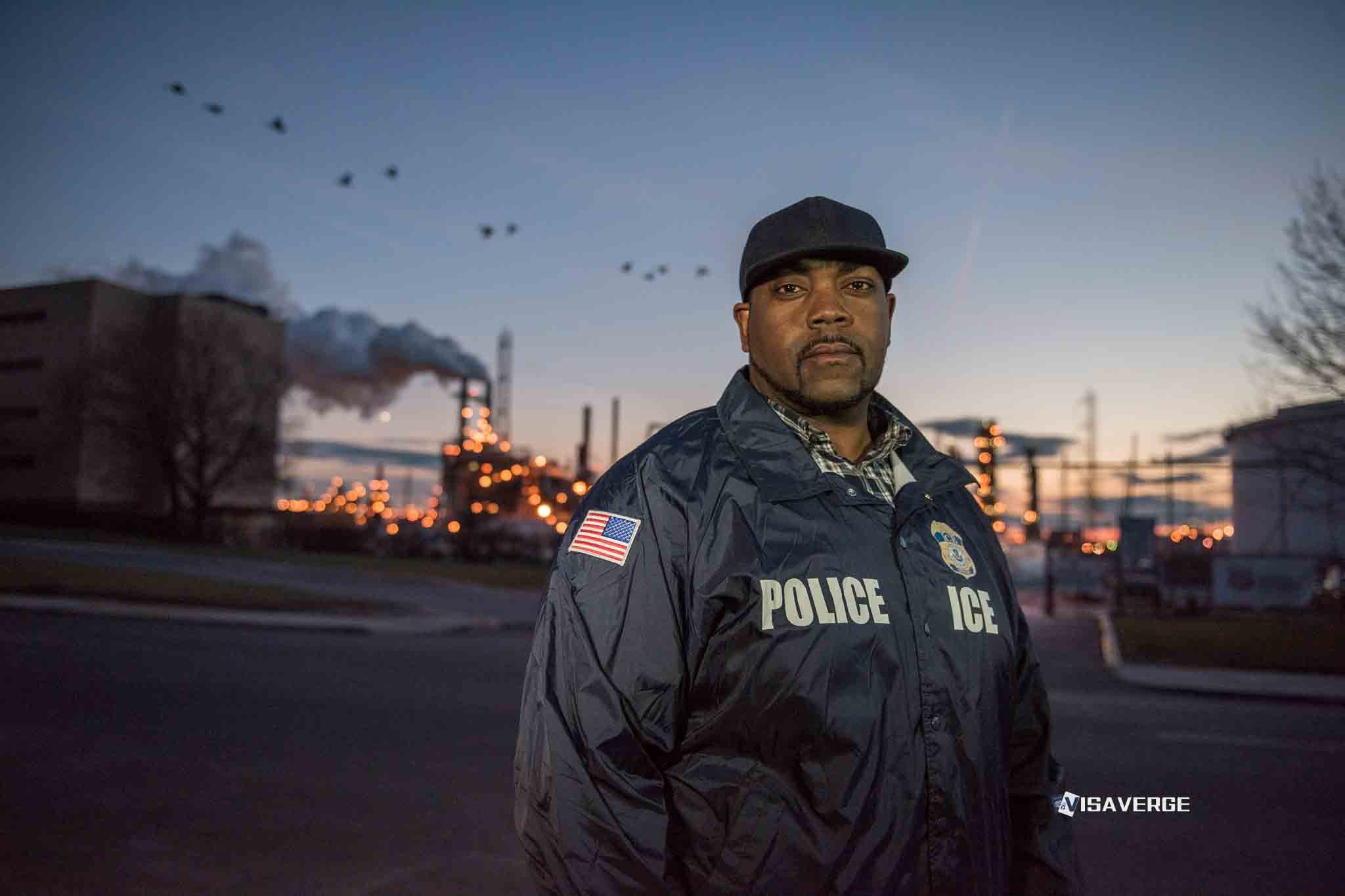
Kyrgyzstan said nine Kyrgyz citizens are currently held in U.S. immigration detention centers, Consul General Chyngyz Eshimbekov said on July 14, 2026. He described document processing and court decisions as the factors shaping what happens next.
Eshimbekov said most detainees eventually return to Kyrgyzstan after the necessary paperwork is completed. A court ruling in an individual’s favor may allow another person to remain in the United States.
The consul gave this account:
"Currently, nine of our compatriots are in special temporary detention centers for migrants. After the necessary documents are processed, most of them return to Kyrgyzstan. If the court rules in their favor, they may continue their stay in the USA."
A previous case showed the consulate monitoring an individual matter. In February 2026, officials followed the case of a Kyrgyz citizen identified as “A.M.”, who was held at the Eloy Detention Center in Arizona amid concerns about possible violations of legal rights.
Visa bonds raised the cost of short-term travel
A new financial requirement began on January 21, 2026, when Kyrgyz nationals seeking B-1 business or B-2 tourist visas became subject to refundable bonds. The U.S. Department of State placed Kyrgyzstan among 38 countries covered by the measure.
The amount varies by case:
| Visa category | Refundable bond amounts |
|---|---|
| B-1 business visa | $5,000, $10,000, or $15,000 |
| B-2 tourist visa | $5,000, $10,000, or $15,000 |
| Application process | Form I-352 |
The measure has been linked to identified visa-overstay rates. Kyrgyz officials said the financial requirement creates barriers for families and business travelers and hinders deeper trade and economic cooperation.
Edil Baisalov, Kyrgyzstan’s ambassador to the United States, criticized the policy in January 2026.
"Visa policy is a matter of parity and mutual respect. If such high barriers are introduced for our citizens, we cannot pretend that nothing has happened."
U.S. Ambassador to the Kyrgyz Republic Leslie Viguerie said the changes formed part of overall U.S. immigration policy and were not directed at a particular country. She also emphasized compliance with visa legislation.
The January policy changes extended beyond visitor visas. The United States also paused issuance of certain immigrant visas for Kyrgyz nationals, citing a high rate of reliance on public assistance under the “public charge” rule.
A 2025 deportation flight preceded the latest detention figure
On August 11, 2025, the Kyrgyz Ministry of Foreign Affairs reported that 25 citizens had been deported from the United States for immigration violations on a special flight.
The ministry later issued urgent advisories dated October 15, 2025, and January 2026. They urged citizens to carry valid identification and to refrain from signing documents without a clear translation.
The guidance addressed encounters that can carry immediate legal consequences. It did not determine the outcome of any person’s pending case.
The Kyrgyz community is larger than the consular registry
The Consulate General in Chicago estimates that more than 40,000 Kyrgyz citizens live in the United States, using unofficial data. Its official registry lists 4,854 people and covers 31 U.S. states.
Those figures describe different measures of the community. The estimate is broader, while the registry counts people who completed consular registration.
The nine people in detention therefore sit within a much larger population identified by the diplomatic mission. Their cases remain individual proceedings rather than a single group action.
Detention capacity expanded during 2026
The American Immigration Council said on January 23, 2026, that U.S. Immigration and Customs Enforcement detention capacity had reached 73,000 people in early 2026. The expansion received funding through the “One Big Beautiful Bill Act.”
David J. Venturella, acting ICE director, addressed the growth of detention facilities on June 12, 2026. The expansion has contributed to more foreign nationals, including people from Central Asia, being held in custody.
The nine Kyrgyz cases come against that broader expansion, but the consular statement did not assign a reason for each detention. Immigration custody can involve different legal postures and court processes.
Visa talks continued after the policy changes
Kyrgyz and U.S. officials also pursued changes to visa procedures. On April 14, 2026, Meder Abakirov, Kyrgyzstan’s deputy minister of foreign affairs, met Paul Kapur, the U.S. assistant secretary of state, in Washington, D.C.
The consultations included “simplification of visa procedures” and strategic cooperation. They followed the January bond requirement and took place while the two governments continued addressing migration issues.
Kyrgyzstan launched another migration measure on July 1, 2026. Its “voluntary departure” program allows foreign nationals who violated Kyrgyz migration laws to leave without fines until July 31, 2026.
The nine detainees’ next steps depend on document processing and judicial decisions. A favorable ruling may permit continued stay, while other cases may end with return after the necessary procedures are completed.
This article provides general information and is not legal advice. Consult a qualified immigration attorney about your specific case.