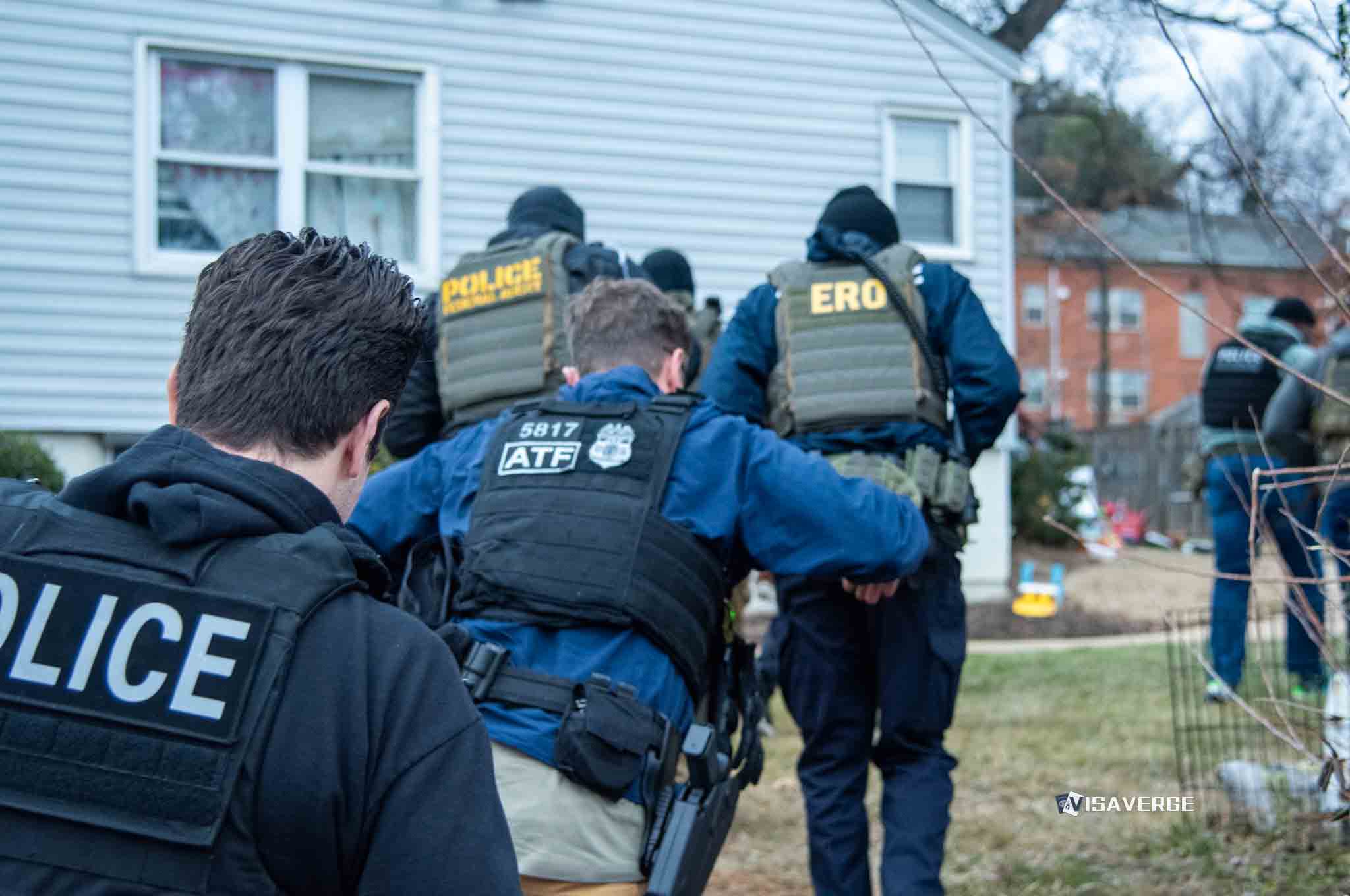
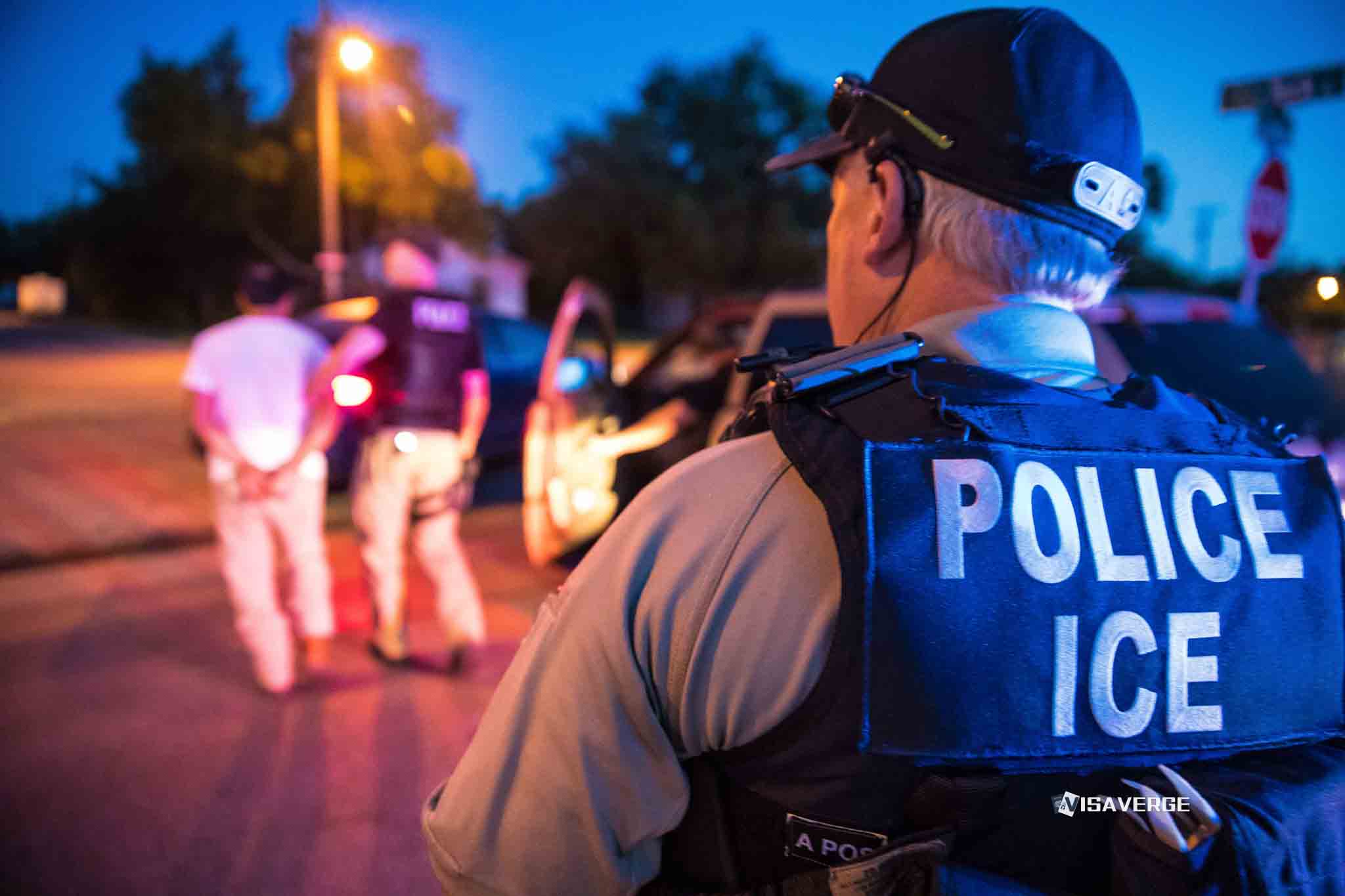
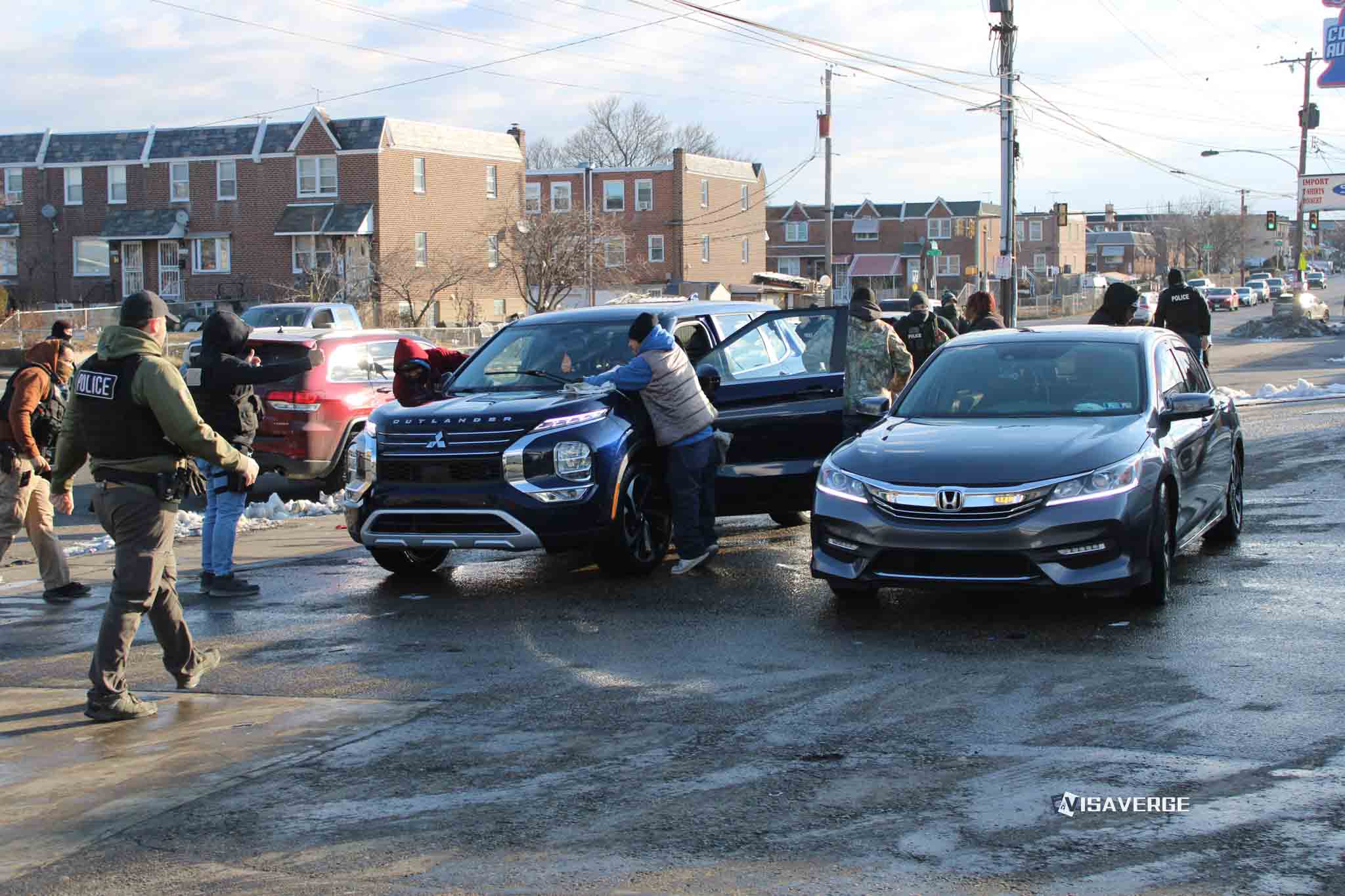
Mexico has moved beyond diplomatic protests and filed criminal complaints in the United States over the deaths of Mexican nationals in ICE custody and during immigration operations. Foreign Minister Roberto Velasco said the government is pursuing cases it classifies as homicides or human rights violations after the July 7, 2026 shooting of Lorenzo Salgado Araujo in Houston.
- Mexico said it has filed complaints with state prosecutors in the United States and is also preparing civil complaints against private detention contractors.
- The government sent cease-and-desist letters to detention centers where Mexican nationals died and contacted the U.N. High Commissioner for Human Rights for international review.
- Mexican authorities say 14 Mexican nationals have died in ICE custody and three more died during enforcement operations, for a total of 17 deaths since January 2025.
- Mexico is demanding criminal investigations into seventeen deaths involving U.S. immigration enforcement since January 2025.
- The Mexican government filed direct complaints with prosecutors and the United Nations regarding potential human rights violations.
- DHS suspended most ICE vehicle stops on July 14, 2026, following recent fatal shootings in Texas and Maine.
Mexico is demanding criminal investigations after 17 migrants died during U.S. immigration operations or in ICE custody since January 2025. The deaths include 14 people who died in detention facilities or medical centers and three who died during raids or vehicle stops.
Free toolUSCIS Receipt Number DecoderAs of July 15, 2026, the Mexican government is seeking investigations by the U.S. Department of Justice and state prosecutors. Mexico has also asked the United Nations High Commissioner for Human Rights to examine whether U.S. immigration enforcement complies with international human rights standards.
President Claudia Sheinbaum said July 9 that Mexico would pursue those it believes may be responsible.
“We cannot stand silent. we will file a formal complaint against whoever is found responsible for what we consider to be homicides.”
The government is filing criminal complaints directly with federal and state authorities rather than routing them through the U.S. State Department. The move goes beyond traditional diplomatic notes.
The recent deaths have intensified the dispute. Lorenzo Salgado Araujo, 52, was shot in Houston, TX, on July 7. Johan Sebastián Durán Guerrero, 26, a Colombian national, was shot in Biddeford, ME, on July 13. An unidentified migrant died in St. Augustine, FL, on July 14, after a truck struck the person while fleeing ICE agents.
The 17-person figure covers Mexican nationals who died during immigration enforcement actions since January 2025. The recent July cases include people from other nationalities.
DHS defends the operations as ICE pauses most vehicle stops
The Department of Homeland Security, led by Secretary Markwayne Mullin, has defended agent conduct and detention conditions. In an official statement on July 9, a DHS spokesperson said:
“All detained individuals receive full due process and are provided with proper meals, water, medical treatment, and have opportunities to communicate with their family members and lawyers. There has been no spike in the rate of deaths of detainees under this administration.”
The department also defended the Houston shooting. It said Salgado Araujo disregarded orders and tried to ram an agent, describing the officer’s gunfire as self-defense. DHS later confirmed Salgado was not the intended target of the operation.
“The subject disregarded orders and attempted to ram an agent, weaponizing his vehicle in an attempt to run over an ICE law enforcement officer, which resulted in our officer firing his weapon in self-defense.”
After the Maine shooting, DHS said July 13 that the vehicle attempted to flee and that an officer fired because of concerns about public safety.
The agency then changed its enforcement tactics. On July 14, DHS confirmed that ICE was suspending most vehicle stops immediately in a temporary “strategic pause” for additional training. The suspension does not cover high-priority criminal targets.
Mexico targets detention companies after four deaths in Adelanto
Mexico has sent cease-and-desist letters to private companies operating detention facilities, including The GEO Group and CoreCivic. The first letter went to the Adelanto ICE Processing Center in California, where four Mexican citizens recently died.
The action adds corporate operators to Mexico’s demands for accountability from federal and state officials. It also places detention conditions alongside shootings and other deaths during field operations.
ICE recently rescinded a 2021 policy requiring the agency to report deaths occurring within 30 days after a detainee’s release. Mexico and 22 U.S. states have accused the agency of “obscuring the human cost” of detention.
The reporting change has become part of the dispute over how deaths connected to detention should be counted and disclosed. Mexico is using the criminal complaints to seek scrutiny of individual cases, facilities and enforcement practices.
Salgado’s family disputes the self-defense account
Salgado’s family has challenged DHS’s description of the Houston shooting. Relatives say he had lived in the United States for 35 years, had no criminal record and was a hard-working father.
They also say he became frightened by unmarked vehicles. Protests followed in Houston and Maine after the shootings.
Civil rights groups have called for ICE to be abolished and for all field agents to wear mandatory body cameras. Those demands broaden the dispute from the individual shootings to the agency’s broader enforcement methods.
Mexico’s request to the United Nations High Commissioner for Human Rights adds an international dimension. The review sought by Mexico would assess the compatibility of U.S. immigration enforcement with international human rights standards.
The temporary vehicle-stop suspension is the clearest operational response announced by the department. It began July 14 and does not cover high-priority criminal targets.
This article provides general information and is not legal advice. Consult a qualified immigration attorney about your specific case.