- Noncitizens maintain constitutional rights to due process during immigration enforcement and detention procedures.
- A clear legal distinction exists between administrative and judicial warrants during home encounters.
- UN human rights officials are urging independent investigations into reported abuses and custody deaths.
(UNITED STATES) — Noncitizens in the United States generally have a right to due process before the government can detain, remove, or separate them from their families, even amid an immigration crackdown and heightened public rhetoric.
This guide explains what “due process” means in immigration enforcement, who has it, how to exercise it during encounters with ICE or CBP, and how to respond if you believe your rights were violated.
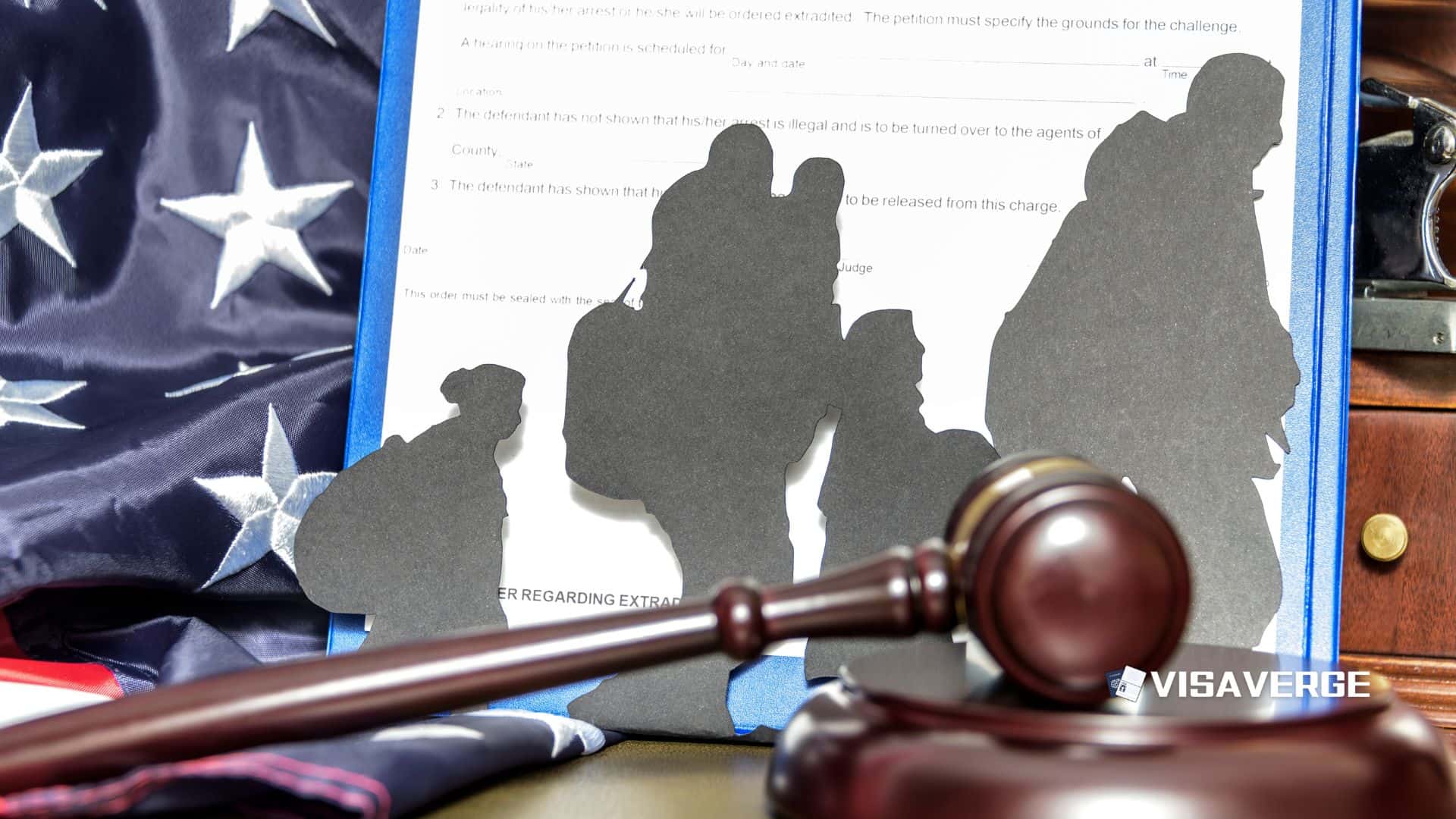
It also places recent international criticism—including remarks by UN human rights chief Volker Türk—into the correct legal context: influential in public debate, but not a direct change to U.S. immigration law.
1) UN statement: what it alleged—and what it does (and does not) change
On January 23, 2026, Volker Türk, the UN High Commissioner for Human Rights, urged the United States to align immigration enforcement with international law.
His office cited reports of arbitrary and unlawful arrests, routine abuse, and large-scale operations that allegedly sweep in migrants and refugees in sensitive locations. The UN also urged an independent investigation into reported deaths in immigration custody.
| India | China | ROW | |
|---|---|---|---|
| EB-1 | Feb 01, 2023 | Aug 01, 2023 ▲31d | Current |
| EB-2 | Nov 01, 2013 | Oct 01, 2021 | Apr 01, 2025 ▲90d |
| EB-3 | Jan 22, 2014 ▲21d | Jan 22, 2022 ▲14d | Jun 15, 2024 ▲31d |
| F-1 | Jan 22, 2021 ▲366d | Jan 22, 2021 ▲366d | Jan 22, 2021 ▲366d |
| F-2A | Oct 22, 2026 ▲30d | Oct 22, 2026 ▲30d | Oct 22, 2026 ▲30d |
In the UN framing, the concern is not only outcomes, but process: whether enforcement actions respect basic legal protections and human dignity.
Key terms in plain English
- Arbitrary detention: Detention that is not based on a clear legal basis, or that is carried out without meaningful procedures to challenge it. In U.S. terms, it often overlaps with questions about probable cause, notice, and access to a hearing.
- Due process: The constitutional promise that the government must follow fair procedures before taking away liberty. In immigration, it typically includes notice, a chance to be heard, and a neutral decision-maker. The baseline comes from the Fifth Amendment.
- Dignity in enforcement: Not a single U.S. legal standard by itself. It is a human-rights concept that often shows up in arguments about conditions of detention, use of force, and access to medical care.
What a UN statement changes in practice
A UN statement does not rewrite U.S. statutes, regulations, or court precedent. It does not stop removals by itself. It does not grant an immigration benefit.
But it can matter indirectly. International-law critiques may increase scrutiny by Congress, inspectors general, courts, and media. They can also shape narratives in litigation, especially in cases alleging systemic abuses.
In short, the statement is a spotlight, not a binding order.
2) DHS and USCIS messaging: enforcement posture, “due process,” and administrative warrants
DHS has defended recent enforcement activity as tied to public safety, national security, and “law-and-order” priorities. DHS officials have also publicly argued that individuals targeted under certain removal paperwork already received full due process in immigration court and have final removal orders.
USCIS, in turn, has emphasized stronger screening, vetting, and integrity measures. For applicants, that usually means more requests for evidence, more interviews, more fraud checks, and more cross-agency data review.
Those steps can slow cases, even when filings are legitimate.
Administrative warrants vs. judicial warrants (why the distinction matters)
Immigration enforcement often relies on administrative warrants, which are issued within the executive branch, not by a judge. Common examples include Form I-200 (administrative arrest warrant), and Form I-205 (warrant of removal/deportation).
A judicial warrant is signed by a judge and typically relates to criminal procedure. This distinction matters most during home encounters.
In many situations, officers need either consent or a judicial warrant to enter private areas of a home. Rules can vary by jurisdiction and fact pattern. If officers claim they have a “warrant,” it is reasonable to ask what type.
Do not physically resist. Resistance can lead to arrest, injury, and criminal charges. You can assert rights verbally and remain silent.