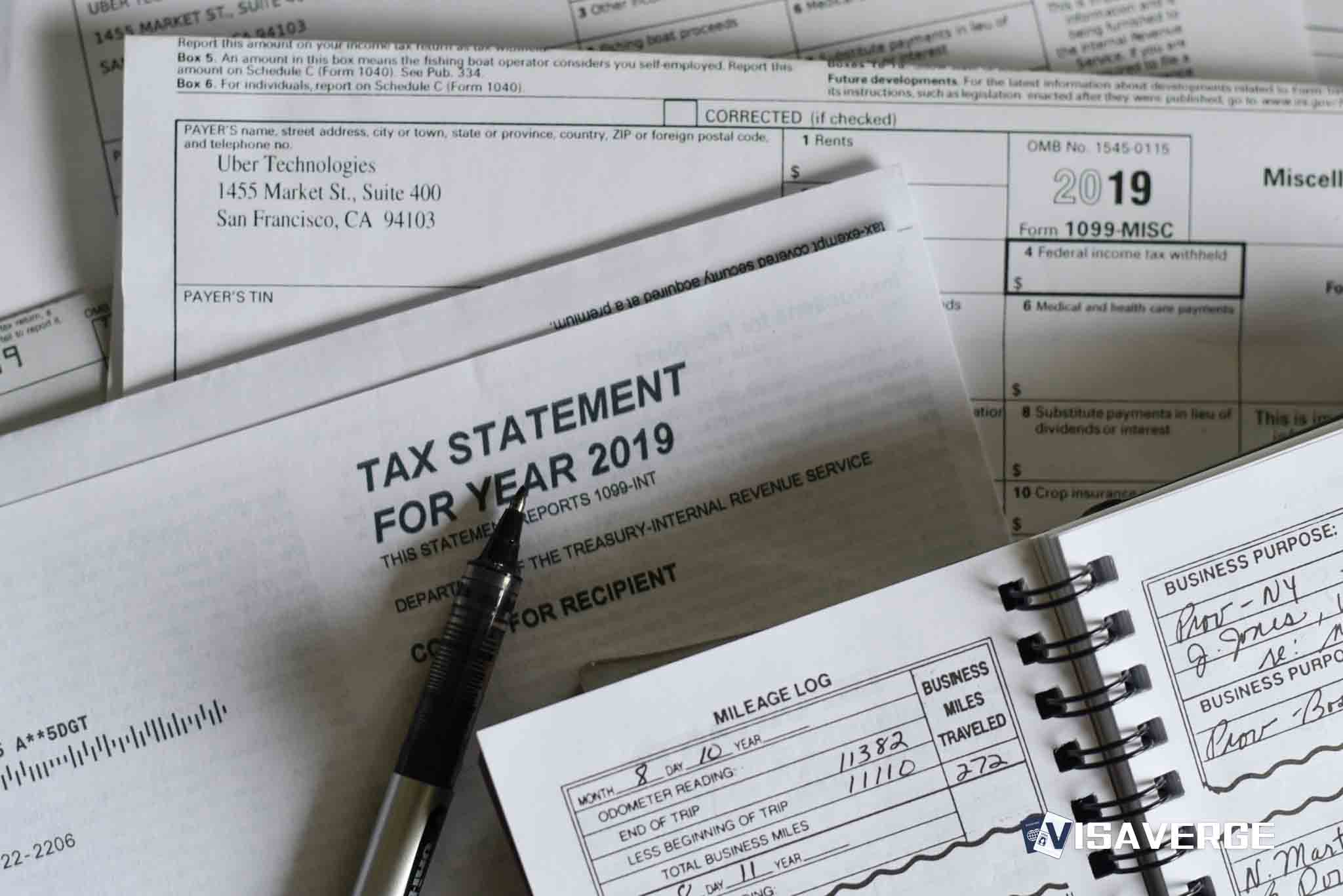
The Internal Revenue Service has filed a $461,253.54 claim against Aaron Carter’s estate for unpaid taxes, with accrued interest and penalties also cited. The estate, not Carter’s son, is the target of the claim.
The tax debt covers five years: 2014, 2018, 2019, 2020 and 2021. The smallest listed balance is $326.60 for 2014. The largest is $172,538.70 for 2021, including back taxes, penalties and interest.

TMZ obtained the documents and reported the claim on Wednesday, October 21. The filing raises a practical question: what can the government collect from an estate previously found insolvent?
The filings do not establish how much the agency will recover. A Los Angeles judge found that the estate’s obligations exceeded its assets.
The estate’s insolvency leaves collection uncertain
The estate’s administrator determined it was insolvent in December 2024. A Los Angeles judge later found that the estate’s obligations exceeded its available assets, leaving no clear picture of what might remain for creditors or beneficiaries.
Carter’s only child, Princeton Lyric Carter, known as Prince, is the estate’s sole beneficiary. He was born to Carter and former fiancée Melanie Martin. That designation does not guarantee an inheritance: legally enforceable debts and creditor claims generally must be addressed before assets can be distributed.
The claim does not make Prince personally responsible for his father’s obligations. The IRS is seeking payment from the estate.
Earlier court papers show why repayment was uncertain. They also record creditor claims that the administrator rejected, making the history of the probate case important to understanding the new demand.
Earlier filings itemized small assets and rejected claims
In a report filed April 14, 2025, Aileen Federizo said she had rejected claims from the State of California and the IRS. The state sought $77,312. The IRS claims listed were $46,116 and $118,000.
“No effort has been made to negotiate liabilities owed,” Federizo wrote about the back taxes. She said a payment plan did not make sense because the estate was insolvent. Those earlier claims appear in prior filings; the new federal claim is a separate, later demand.
Federizo listed royalties appraised at $16,296 and personal property valued at $6,120. The royalties would come in over “at least 10 years,” rather than as one payment. She doubted the IRS would pursue small installments if collection costs exceeded what the agency could recover.
The administrator said she had paid $810,547 in debts and bills from Carter’s assets. The home sale produced $7,000 in profit, while guns and other property did not bring in $14,000. Wells Fargo’s claim for more than $2,800 was paid in full. A separate $19,000 claim was rejected.
Family members disputed control, asset values and withdrawals
Carter’s sister, Angel Carter, and Martin disputed who should control the estate. They settled out of court and agreed to appoint financial consultant Federizo as a neutral administrator.
In January 2026 court documents, Federizo described a separate disagreement with Carter’s mother, Jane Schneck, over the value of rights to his name, photograph and likeness. Schneck believed those rights were worth at least $30,000; Federizo disagreed. The same filing put Carter’s federal back taxes at $164,228.41, plus interest and penalties, and his debt to the California Franchise Tax Board at $87,106.69.
Federizo argued that a potential sale would not help Prince without money going to the estate. “There was no proposal to pay any money to the estate that would be sufficient to make the estate solvent or to otherwise benefit the minor heir,” she wrote. She asked the court to direct remaining assets to Prince after debts were paid.
Schneck also argued that Federizo had undervalued the music royalties. She alleged Martin made “illegal withdrawals” totaling $24,530 from Carter’s accounts. Martin disputed the claim, saying Schneck misunderstood their financial arrangements and that she and Carter shared bank accounts.
Martin posted on December 3, 2025, that Schneck was trying to gain rights to Prince’s inheritance and name. She said she would work to cover court fees and protect her son’s inheritance. Schneck did not respond to those claims.
The estate closed as a separate wrongful-death case proceeded
A judge rejected Schneck’s objection to closing the estate in April 2026 and approved the transfer of its remaining non-cash assets. Martin received those items. The probate closure does not establish how much, if anything, the federal government can collect on its claim.
Martin filed a wrongful-death lawsuit on Prince’s behalf in October 2023. She alleged that medical professionals improperly prescribed medications to Carter and pharmacies improperly dispensed them, contributing to his death. A psychiatrist and a mental health clinic agreed to a confidential settlement. Other parties remained involved in the litigation at the time.
Carter was found dead in his Lancaster, California, home on November 5, 2022, at age 34. The Los Angeles County Coroner determined that he died from accidental drowning, citing inhalation of difluoroethane, a chemical commonly found in compressed-air canisters, and ingestion of alprazolam.
This article is for informational purposes only and does not constitute tax advice. Consult a qualified tax professional or CPA about your specific situation.