- U.S. consular officers now presume visa denial if birth tourism is the primary purpose of travel.
- Hiding pregnancy or birth plans during interviews can lead to permanent fraud findings and inadmissibility.
- Applicants must provide strong home-country ties and proof of funds to overcome the presumption of birth tourism.
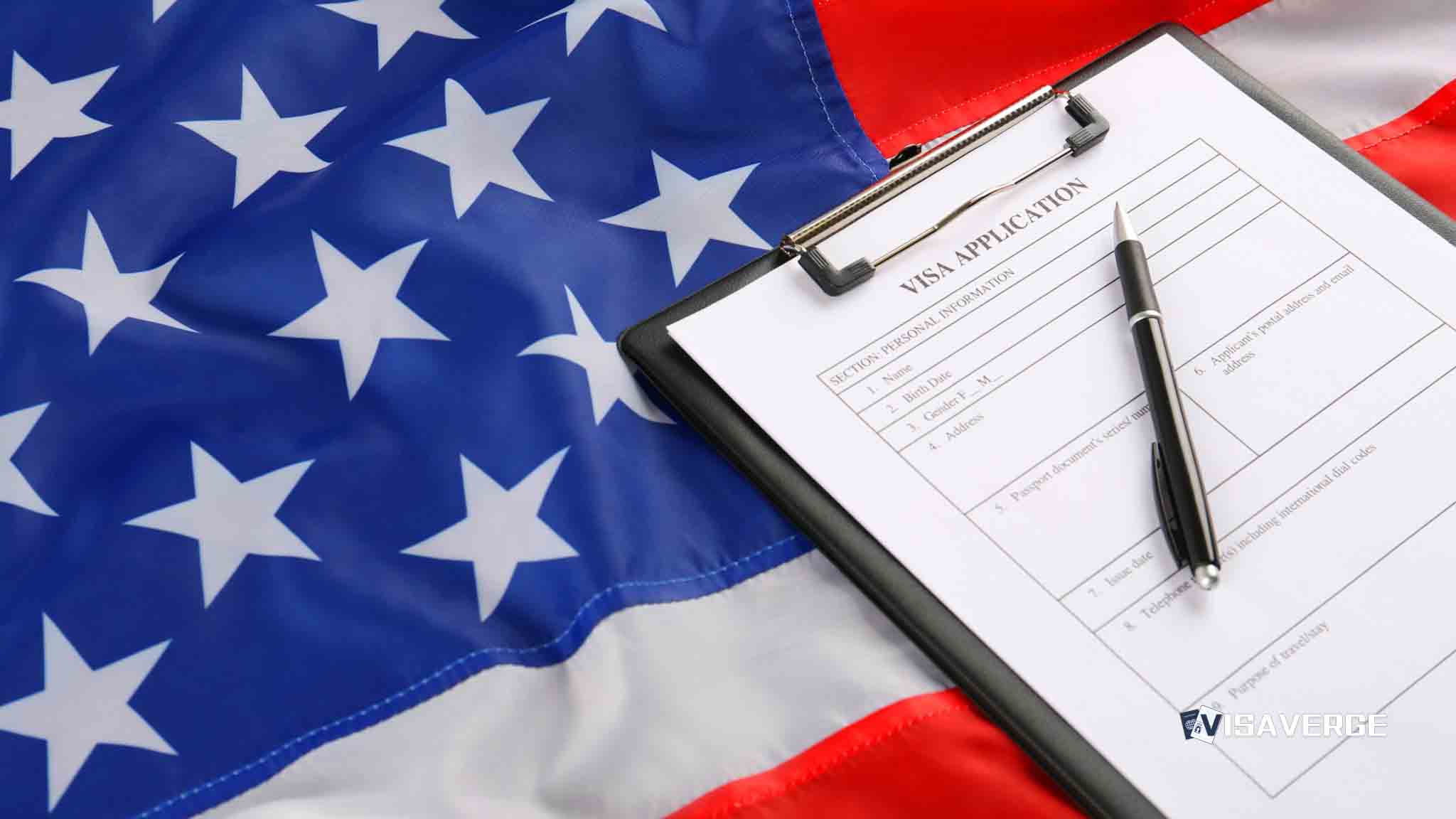
U.S. consular officers are now treating birth tourism as a direct reason to deny B-1/B-2 visa applications when pregnancy appears to be the traveler’s main purpose for entering the United States. The rule is built into the Foreign Affairs Manual, and it gives officers a presumption of denial unless the applicant shows a genuine temporary reason for travel.
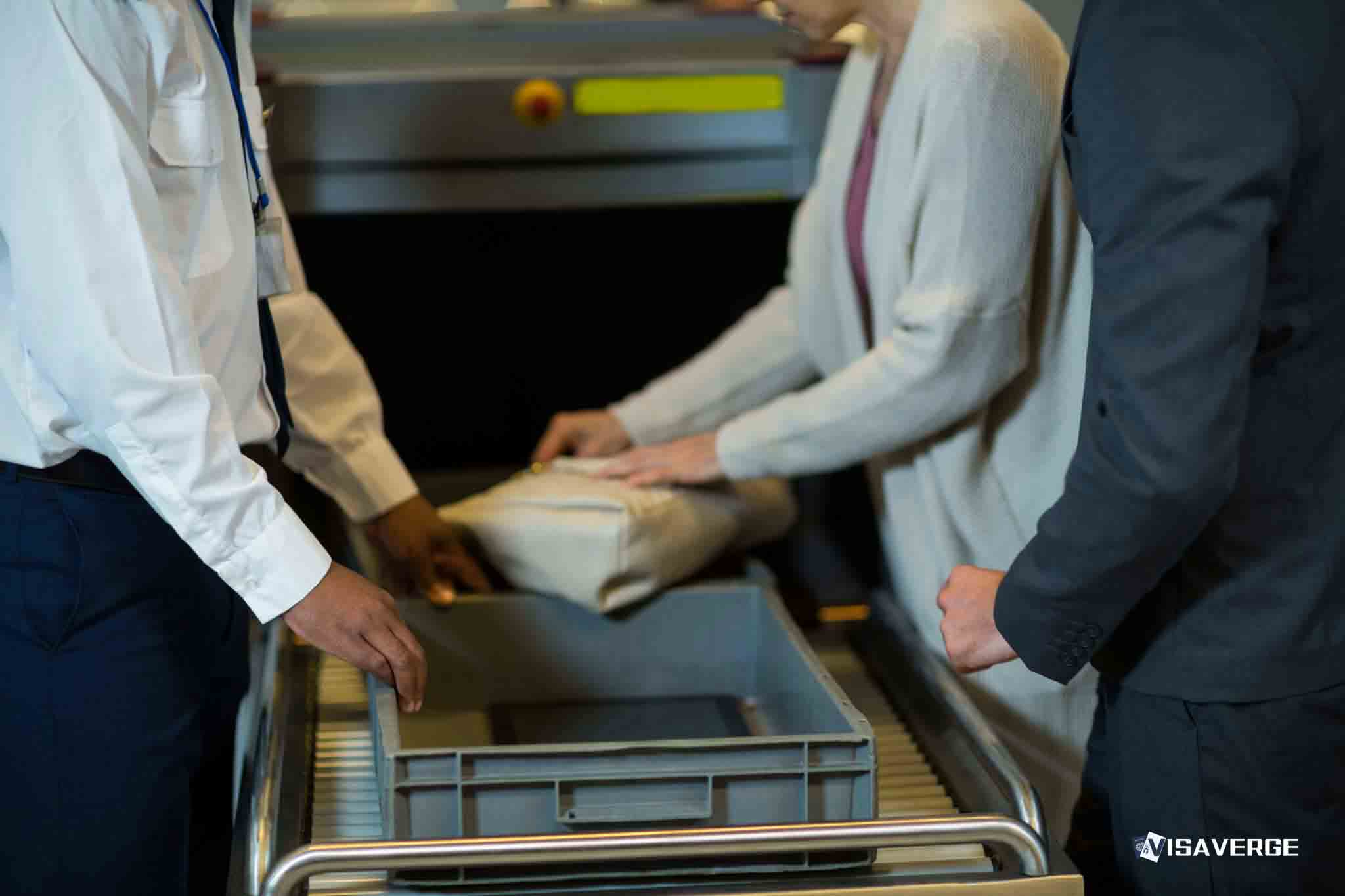
That shift matters because it reaches far beyond one interview window. Pregnant travelers, family visitors, and business travelers now face closer review, more document checks, and greater risk of a fraud finding if they hide facts about a planned birth.
The visa interview now starts with purpose, not pregnancy
Under the State Department’s visitor visa rules, the central question is whether the trip fits the B-1/B-2 category. B-1 covers temporary business. B-2 covers tourism, family visits, and similar short stays. Childbirth alone does not fit either category when it is the main reason for the trip.
Free toolB1/B2 Tourist Visa Stay Calculator onlineConsular officers can deny the visa if they have reason to believe the applicant is coming to give birth in the United States and secure citizenship for the child. That presumption can be triggered by late-stage pregnancy, a DS-160 disclosure, interview answers, travel patterns, or social media posts. The applicant then carries the burden of showing another real purpose for the trip.
The U.S. Department of State’s Foreign Affairs Manual is the key policy guide here. It directs officers to look at intent, not just paperwork. According to analysis by VisaVerge.com, this makes the visitor visa interview less about formality and more about whether the traveler can prove a lawful temporary plan.
What officers look for at the consulate
The review begins with the DS-160 and usually continues in the interview. Officers compare the stated reason for travel with the traveler’s personal situation and supporting documents. They also review online activity when needed. In late 2025 and early 2026, that scrutiny expanded further, with embassies warning applicants that suspected birth tourism would lead to denials.
Common red flags include:
- late-term pregnancy or travel close to the due date
- ties to birth tourism agencies or maternity package sellers
- weak home-country ties, such as no job, property, or school obligations
- vague travel plans or inconsistent interview answers
- posts showing a plan to deliver in the United States
- expensive U.S. medical bookings without a clear non-immigrant reason
If an applicant truly is traveling for tourism, family support, or a business meeting, officers can accept that. The key is evidence. Return tickets, employer letters, property records, school enrollment, and detailed itineraries all help show that the trip is temporary.
Medical travel is allowed, but childbirth needs proof
U.S. law does not ban every pregnant traveler. A person may still enter on a visitor visa for legitimate medical care or for another temporary purpose, as long as childbirth is not the real reason for the trip.
Medical travel requires stronger proof than ordinary tourism. Officers may expect a letter from a U.S. provider, a cost estimate, and evidence that the applicant can pay every bill without relying on public funds. That includes maternity care. If the care is unavailable at home, that point should be documented clearly.
Pregnant travelers visiting for conferences, family events, or short business trips are not automatically barred. But the trip must still look temporary. A short stay, strong return ties, and full honesty matter.
Misrepresentation creates the longest shadow
The biggest legal risk is not pregnancy itself. It is lying about it. If an applicant hides a planned birth, omits relevant facts, or uses a false story to get the visa, that can trigger inadmissibility under Section 212(a)(6)(C)(i).
That finding is serious. It can lead to visa revocation, refusal of future visas, and long-term or permanent barriers to entry. It can also affect applications to other countries, because immigration records are often shared across systems.
Agencies that coach false stories face their own exposure. The same is true for applicants who follow that advice. A false answer in the interview or on the DS-160 can do more damage than a denial based on honest disclosure.
Entry at the airport is not a second chance
Getting the visa does not guarantee admission. U.S. Customs and Border Protection can still question the traveler at the port of entry and deny entry if the officer suspects the trip is really for birth tourism.
That means the same documents matter twice. They matter at the embassy or consulate, and they matter again at the airport. Travel plans, return reservations, funds, and proof of a short stay all help. If the story changes between the visa interview and arrival, the risk rises fast.
Birthright citizenship still exists
Children born in the United States generally remain U.S. citizens under the 14th Amendment, a rule confirmed for generations after United States v. Wong Kim Ark. That has not changed as of March 2026.
But the policy fight around birthright citizenship is active. The Trump administration’s attempts to limit it for children of temporary or unauthorized parents are facing court review. That uncertainty is one reason visitor visa scrutiny has tightened. The government is trying to stop entry before birth, rather than deal with citizenship after birth.
Why the government is pressing harder
Officials point to several concerns. They cite unpaid hospital bills, pressure on public resources, and organized agencies that market U.S. births as a product. The Financial burden can be steep, especially when births are uninsured. Some packages promoted abroad have been reported in the $20,000 to $100,000 range.
The broader enforcement goal is deterrence. If officers deny more suspected cases, fewer families will use visitor visas for childbirth. That is why embassies have issued stronger warnings, and why social media review now plays a bigger role in the process.
What families should expect next
Families planning travel while pregnant should expect close questioning, document requests, and a real chance of refusal if the trip looks suspicious. Honesty matters more than ever. So does early planning.
A clean application usually shows:
- a clear reason for travel other than delivery
- solid home-country ties
- enough money for the trip and any medical care
- no false statements about pregnancy or plans
- a short stay with a believable return date
A suspected birth tourism case, by contrast, often ends in denial under 214(b) or, in worse cases, a fraud finding. That is why many applicants now treat the visitor visa process as a proof exercise, not a routine formality.
The rules around birth tourism, B-1/B-2, and the Foreign Affairs Manual are not soft guidelines. They are active enforcement tools, and they shape how consular officers judge intent, honesty, and future travel risk at every stage of the case.