- Chinese regulators fined Trip.com Group 5.18 billion yuan for long-standing monopoly abuses in hotel booking.
- The company used predatory algorithms and exclusivity to punish hotels that offered lower prices on competing platforms.
- Trip.com must refund $18 million to hotel operators and implement mandatory self-transformation governance measures.
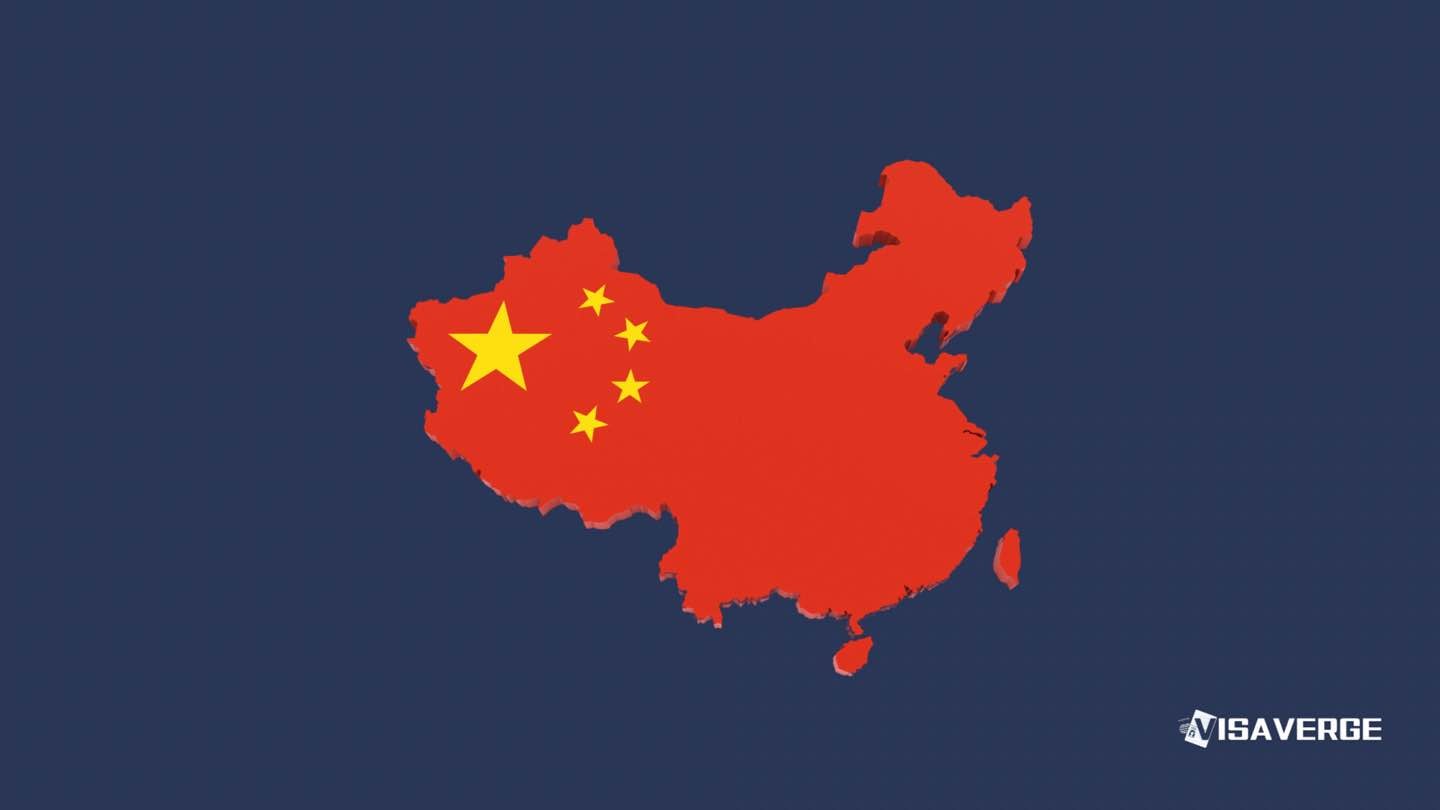
China’s State Administration for Market Regulation fined Trip.com Group nearly 5.18 billion yuan, or about $765 million, on July 25 after a six-month investigation into alleged monopoly abuses in online hotel booking. The agency said the company had abused a dominant market position since 2020.
The penalty combines a fine and the seizure of alleged illegal gains. The fine totals 3.521 billion yuan, or $520 million, while the confiscated gains amount to 1.658 billion yuan, or $245 million.
The regulator also ordered the group to return 122 million yuan, or $18 million, to hotels. The money came from order reserve funds that the agency said the company had forcibly deducted from hotel operators.
Trip.com operates major travel brands including Ctrip, Skyscanner and Qunar. The company accepted the ruling.
| India | China | ROW | |
|---|---|---|---|
| EB-1 | Feb 01, 2023 | Aug 01, 2023 ▲31d | Current |
| EB-2 | Nov 01, 2013 | Oct 01, 2021 | Apr 01, 2025 ▲90d |
| EB-3 | Jan 22, 2014 ▲21d | Jan 22, 2022 ▲14d | Jun 15, 2024 ▲31d |
| F-1 | Jan 22, 2021 ▲366d | Jan 22, 2021 ▲366d | Jan 22, 2021 ▲366d |
| F-2A | Oct 22, 2026 ▲30d | Oct 22, 2026 ▲30d | Oct 22, 2026 ▲30d |
In an official response dated July 25, Trip.com Group said:
“We sincerely accept the decision and will adopt rectification measures in accordance with applicable laws and regulations. The Company will strengthen its long-term governance mechanisms and strive to contribute to the sustainable development of the travel industry.”
The regulator said hotels faced ranking penalties and price demands
The State Administration for Market Regulation said the group used exclusive dealing arrangements and traffic-allocation algorithms to push hotels toward exclusivity. Hotels listing lower prices on competing services could see their search rankings reduced, according to the regulator’s findings.
Some hotel partners also had to promise Trip.com the “lowest price across the internet.” The requirement limited how operators could price rooms on their own websites and on smaller platforms.
The agency said the conduct “excluded or restricted competition in the relevant market, harmed the interests of hotel operators and consumers. and hindered the industry's regulated and healthy development.”
That finding places the enforcement action around both business terms and the platform’s control over visibility. Search placement can determine which hotels travelers see first. The ruling targets the mechanisms the regulator said connected that visibility to pricing and exclusivity.
The six-month investigation examined conduct dating back to 2020. The fine itself equals 7.5% of the company’s 2025 domestic revenue, according to the penalty details.
Hotels may gain room to use competing booking services
The ruling is intended to weaken price-parity requirements that prevented hotels from offering lower rates through their own websites or other services. Operators previously tied to exclusive Trip.com arrangements may now list rooms on Alibaba’s Fliggy, Meituan or Douyin without fear of algorithmic retaliation, according to the enforcement account.
The possible change is direct. A hotel could use more than one booking channel, offer different prices and avoid the ranking consequences described by the regulator.
Consumers could encounter lower prices or more booking choices if hotels use that additional freedom. The enforcement action does not itself set hotel prices; it addresses the conditions under which operators can list and market rooms.
The regulator’s order also puts a specific amount back into the hotel sector. The 122 million yuan refund covers reserve funds deducted from hotel orders.
Investors had already absorbed the investigation risk
Trip.com disclosed the probe in January 2026. Its shares then fell sharply, wiping out more than $8 billion in market value in a single session.
The final decision gives investors a defined financial liability: 5.179 billion yuan in penalties, including the fine and confiscated gains. It also requires the company to carry out what the enforcement material describes as strict “self-transformation” measures.
The ruling therefore combines an immediate payment with changes to the platform’s operating practices. The company said it would strengthen its long-term governance mechanisms and pursue the sustainable development of the travel industry.
The investigation covers the group’s online hotel-booking business, while its wider brand portfolio includes Ctrip, Skyscanner and Qunar. Its response now places rectification under applicable laws and regulations after the agency’s decision on July 25, 2026.
This article provides general information and is not legal advice. Consult a qualified immigration attorney about your specific case.