- A federal judge denied a construction stay for the forty-six billion dollar Smart Wall project in Texas.
- Local officials warn the barrier threatens the levee system and could cause catastrophic flooding in Presidio.
- The DHS secretary waived thirty federal laws to expedite construction despite environmental and safety concerns.
Federal Judge Reggie B. Walton on Aug. 2, 2026, allowed the Trump administration to continue border wall construction through Presidio’s levee system in the Big Bend region of Texas.
The ruling lets the Department of Homeland Security, or DHS, proceed with the $46 billion Smart Wall project while the legal challenge continues. The planned structure would replace earthen slopes in the Presidio Flood Control Project with steel and concrete.
Free toolUSCIS Receipt Number Decoder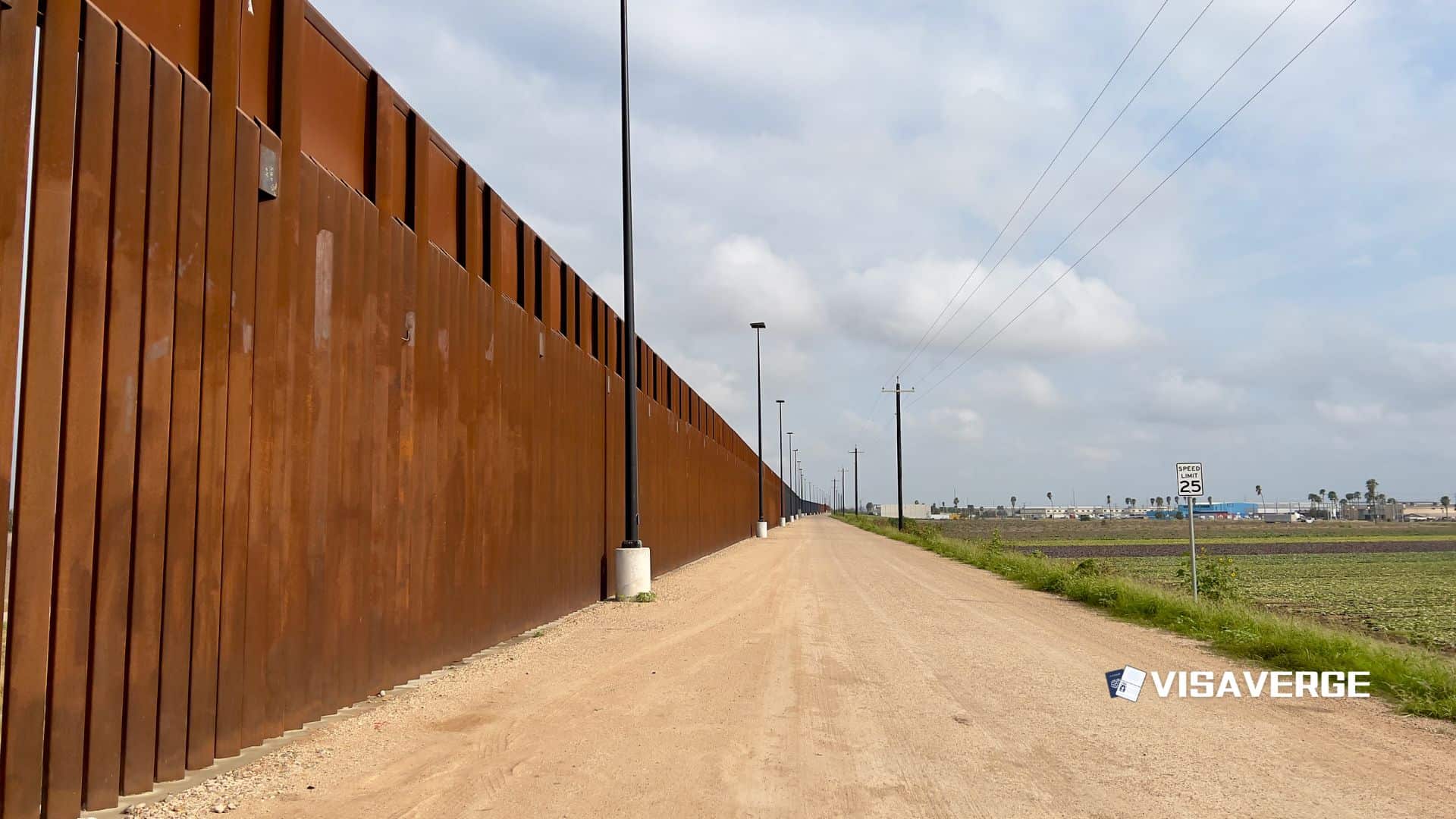
The Presidio Municipal Development District filed its lawsuit in June. It argues that the 30-foot wall could cause “deadly” flooding and that the government failed to obtain oversight from the U.S. Army Corps of Engineers.
Walton denied the district’s request for a stay in a 26-page opinion. The case remains active.
The project would cross a levee system that local officials say protects Presidio from major floods. The district also argues that construction could damage infrastructure, agriculture and the town’s economic viability.
The court’s decision gives the government room to keep building while those claims proceed. It does not resolve the broader lawsuit.
The Smart Wall would span three Texas counties
The project combines physical barriers with transportation and surveillance infrastructure. Its planned reach and components include:
| Project detail | Description |
|---|---|
| Total reach | Approximately 175 miles |
| Counties | Hudspeth, Jeff Davis and Presidio counties |
| Barrier | 30-foot steel bollard panels on concrete bases |
| Supporting infrastructure | Patrol roads and advanced detection technology |
| Funding | $46 billion through the One Big Beautiful Bill Act, signed July 4, 2025 |
In Presidio, a town with a population of approximately 3,200, the structure is slated to replace the earthen slopes of the Presidio Flood Control Project. The International Boundary and Water Commission manages the levee system.
The district says the flood-control works serve a purpose separate from immigration enforcement. Altering the system with steel and concrete could redirect floodwater toward homes, roads and farmland, according to its arguments.
A 2008 flood illustrates the concern. The district says the levees were the only barrier preventing Presidio from being submerged under 10 feet of water.
The local government has also sought detailed structural plans. The department has denied those requests, citing “national security” concerns.
A July waiver under federal border law anchors the ruling
Secretary Markwayne Mullin used Section 102 of the Illegal Immigration Reform and Immigrant Responsibility Act of 1996 on July 2 to waive dozens of legal requirements for the project.
The affected statutes include the Rivers and Harbors Act, the Clean Water Act, the Endangered Species Act and the National Environmental Policy Act, known as NEPA. The waiver notice appeared in the July 2026 Federal Register.
The notice stated the government’s rationale this way:
“There is presently an acute and immediate need to construct additional physical barriers and roads in the vicinity of the border of the United States in order to prevent unlawful entries into the United States in the project area.”
Walton concluded that the waiver addressed the district’s Rivers and Harbors Act claim. He wrote that the July 2 action “defeats any claim that the defendants violated” that law.
The judge also rejected the argument that Congress had curtailed the secretary’s authority. Walton wrote that “Congress did not intend to limit the Secretary of DHS’s waiver authority.”
That reasoning allowed construction to continue during the case. The court did not end the district’s other arguments about flooding, infrastructure or local effects.
Local flood concerns now face a project built for “zero” crossings
Government officials have argued that the barrier is needed to achieve “zero” illegal crossings in the project area. Official statistics show apprehensions in the Big Bend Sector fell 74% between 2023 and 2025.
The enforcement figures have not halted the planned work. The project is associated with Operation River Wall, and Customs and Border Protection maintains a project page covering the barrier system in the three affected counties.
The government’s construction plan also reflects the breadth of the waiver. More than 30 federal laws are covered, including environmental and water-protection measures.
The district’s concerns extend beyond the flood-control system. It says the work could threaten local infrastructure, agricultural activity and the town’s economic viability.
Construction advances as Presidio’s lawsuit continues
The case, Presidio Municipal Development District v. DHS, is pending in the U.S. District Court for the District of Columbia under Case No. 1:26-cv-02146.
Walton’s order denied the motion to stay, allowing the project to move forward while the litigation continues. The district must now pursue its claims without the immediate construction pause it requested.
The July 2 waiver remains part of the dispute. The ruling gives the secretary broad authority under Section 102, while Presidio’s allegations about flood danger and local damage remain before the court.
This article provides general information and is not legal advice. Consult a qualified immigration attorney about your specific case.