Hundreds of migrant children remain stranded in Ceuta after the late-July mass crossing, with humanitarian groups warning that shelter and child-protection capacity is overwhelmed. Reporting on 31 July 2026 and 1 August 2026 described a continuing emergency, while a July 2026 Supreme Court ruling tightened the rules on how Spanish authorities handle people intercepted at sea near Ceuta and Melilla.
- Save the Children said on 31 July 2026 that thousands of children were arriving in Ceuta and called for safe accommodation and protection.
- France 24 reported on 1 August 2026 that hundreds of unaccompanied minors were sleeping outdoors in Ceuta, showing that existing shelter capacity remained overwhelmed.
- Reuters reported that Spanish authorities were trying to expel irregular arrivals as quickly as possible after the surge, even as a Supreme Court ruling earlier in July 2026 restricted the use of special border-rejection rules for people intercepted at sea while trying to reach Ceuta or Melilla.
- Reporting on the case said the court struck down provisions of the 2024 Aliens Regulation that had weakened immediate care obligations for unaccompanied foreign minors, strengthening procedural protections for children already on Spanish territory.
Spain’s death toll tied to the Ceuta border surge was revised to 72 by August 2, 2026, after officials recovered five more bodies along the coast. Spain and Morocco also moved to halt the crossings by July 31, 2026, as the crisis triggered urgent returns, reinforced border measures, and fresh pressure from EU leaders.
- Reuters reported that Spain’s death count stood at 72 on August 2, 2026, after authorities found five additional bodies along Ceuta’s coast; earlier tallies had been revised from 57 to 67 before that.
- Spain’s Interior Ministry said about 50,000 people crossed since Thursday morning, while authorities said 48,300 had returned by 6 p.m. on Friday.
- Spain and Morocco agreed to the urgent return of migrants who entered Ceuta and pledged to strengthen coordination and speed up return procedures.
- European Commission President Ursula von der Leyen told Pedro Sánchez on August 3 that the EU must do more to strengthen borders at critical points and can provide more support to Morocco.
1 earlier update
Hundreds of migrant children remain stranded in Ceuta after the late-July mass crossing, with humanitarian groups warning that shelter and child-protection capacity is overwhelmed. Reporting on 31 July 2026 and 1 August 2026 described a continuing emergency, while a July 2026 Supreme Court ruling tightened the rules on how Spanish authorities handle people intercepted at sea near Ceuta and Melilla.
Free toolSchengen Short-Stay Visa Calculator- Save the Children said on 31 July 2026 that thousands of children were arriving in Ceuta and called for safe accommodation and protection.
- France 24 reported on 1 August 2026 that hundreds of unaccompanied minors were sleeping outdoors in Ceuta, showing that existing shelter capacity remained overwhelmed.
- Reuters reported that Spanish authorities were trying to expel irregular arrivals as quickly as possible after the surge, even as a Supreme Court ruling earlier in July 2026 restricted the use of special border-rejection rules for people intercepted at sea while trying to reach Ceuta or Melilla.
- Reporting on the case said the court struck down provisions of the 2024 Aliens Regulation that had weakened immediate care obligations for unaccompanied foreign minors, strengthening procedural protections for children already on Spanish territory.
- Ceuta remains overwhelmed as reception centers collapse under the pressure of three thousand to five thousand remaining migrants.
- The border surge resulted in eighty-three total deaths, with seventy-two fatalities recorded on the Spanish side alone.
- The United States issued a Level Three travel advisory, warning citizens to reconsider travel to the enclave due to security risks.
Spain’s North African enclave of Ceuta is still holding between 3,000 and 5,000 migrants after last week’s border surge, while its two reception centers have “collapsed,” regional leader Juan Jesus Vivas said Monday. The official death toll on the Spanish side stands at 72.
Hundreds of migrants remained camped on El Trampolin beach as authorities worked to manage the people still in the territory. Vivas told Telecinco that both the adult and minor reception facilities had reached their limits.
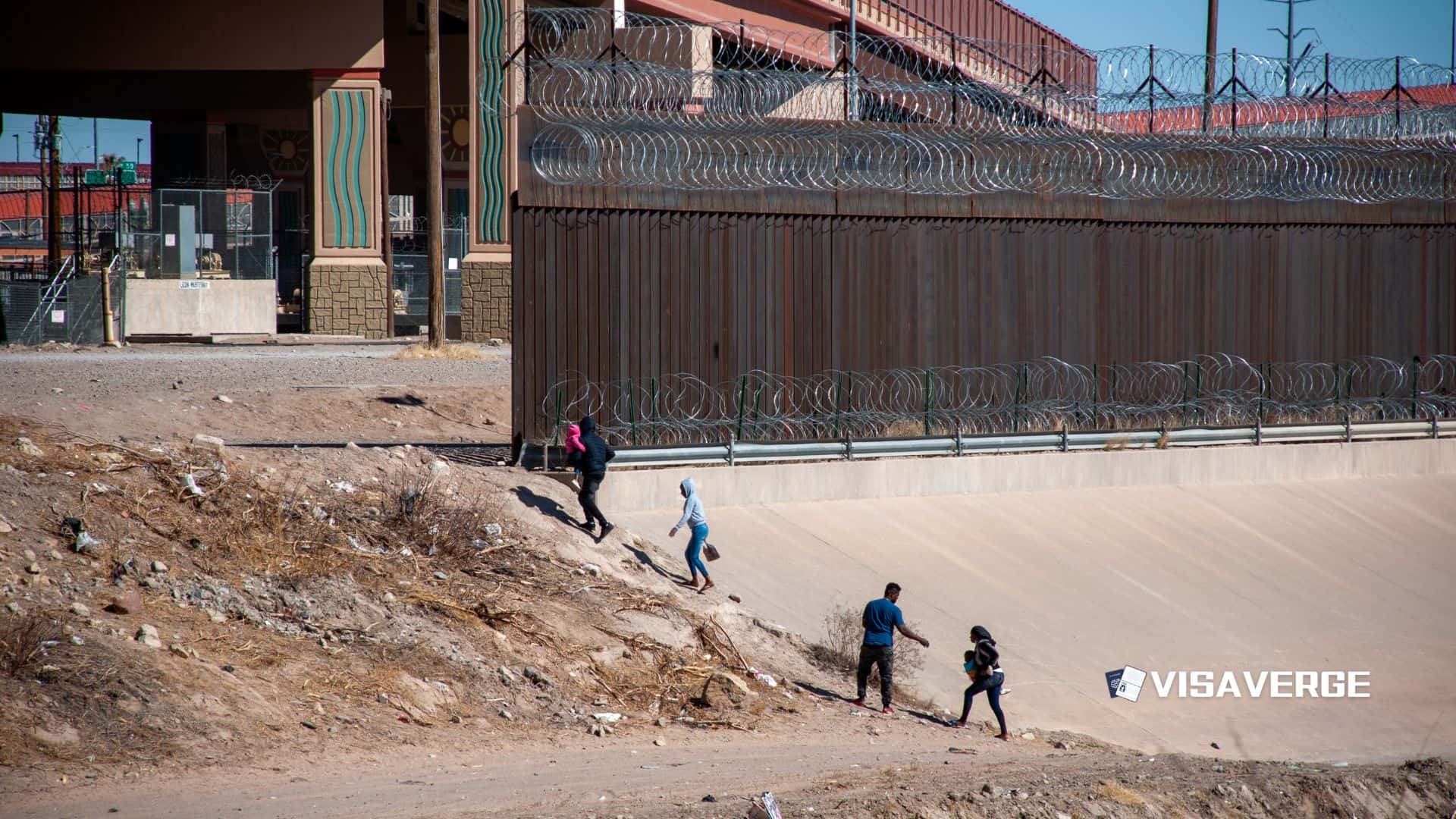
The remaining group includes 862 unaccompanied minors. Local child-protection services have capacity for only 100 children, leaving many minors “unprotected” while officials process those who arrived.
The pressure extends beyond the shelters. Migrants face food shortages and hostility, while businesses have shuttered across the enclave.
The rush also produced deaths on both sides of the border. Eleven people died on the Moroccan side, bringing the reported total to 83.
Intelligence reports indicate that Morocco gradually relaxed border controls during July. The reports say controls were allegedly removed as crowds moved toward the Tarajal crossing during Morocco’s Throne Day holiday. Rabat denies orchestrating the crossing.
Most arrivals have returned, but the enclave remains under pressure
Between 60,000 and 69,500 migrants crossed from Morocco into Ceuta between July 30 and July 31, according to the figures cited in the reporting. The influx nearly doubled the enclave’s population of approximately 84,000 within 48 hours.
Many have since left. Approximately 69,500 people returned to Morocco over the past four days, with many going back voluntarily after encountering closed businesses and overwhelmed services.
| Measure | Reported figure |
|---|---|
| Arrivals between July 30 and July 31 | 60,000 to 69,500 |
| Enclave population before the surge | Approximately 84,000 |
| Migrants still present on August 3 | 3,000 to 5,000 |
| Unaccompanied minors still present | 862 |
| Deaths on the Spanish side | 72 |
| Deaths on the Moroccan side | 11 |
The departures reduced the immediate crowd but did not restore the reception system. Authorities must still accommodate thousands, including hundreds of children whose needs exceed the available protection capacity.
The child-protection shortfall is especially acute. Officials have been processing more than 800 children in a system designed for only 100, according to the figures provided about the local services.
Spain links the surge to a dispute over border controls
Spanish intelligence assessments point to a gradual easing of Moroccan controls before the rush. They also allege that barriers were removed as crowds gathered near the border during the national holiday.
Morocco rejects the allegation that it organized the movement. The dispute has left responsibility for the border surge contested between the two countries.
Spanish officials described the episode as an “attack on territorial integrity.” Foreign Minister Jose Manuel Albares called Monday for reciprocal backing from European Union partners and criticized Italy for amplifying misinformation.
Albares demanded “European solidarity” as Spain dealt with the reception crisis. The appeal places the immediate burden on Ceuta while extending the dispute into broader EU discussions about migration and shared responsibility.
A June 2026 Spanish Supreme Court ruling also shaped the debate. The decision limited immediate sea-based deportations, an issue that became part of the response to the arrivals.
The ruling concerns how some removals can be carried out. It does not resolve the lack of accommodation, food and child-protection capacity now confronting the enclave.
The United States issued a travel warning as Spain deployed security forces
The U.S. Department of State raised its travel advisory for Ceuta to Level 3: Reconsider Travel on August 1, 2026. The notice cited the security risks created by the mass arrival and Spain’s deployment of the military, National Police and Guardia Civil.
The department said:
“The massive and uncontrolled arrival of migrants from Morocco to Ceuta may lead to unpredictable and dangerous security situations. Spain has deployed the Spanish military, Spanish National Police, and Guardia Civil as a result of this serious situation. Americans should reconsider travel to the area given the risks posed to their safety and security.”
The advisory adds a travel warning to a crisis already involving border controls, emergency shelter and public order. Spanish authorities continue to manage the arrivals while the reception centers remain beyond capacity.
The death toll includes 72 people on the Spanish side and 11 on the Moroccan side. The reported total is 83.
Ceuta’s immediate operational problem remains the same: thousands are still in the enclave, and the facilities meant to receive them cannot absorb the remaining population. Children make up a particularly vulnerable part of that group, with local services facing demand far beyond their stated capacity.