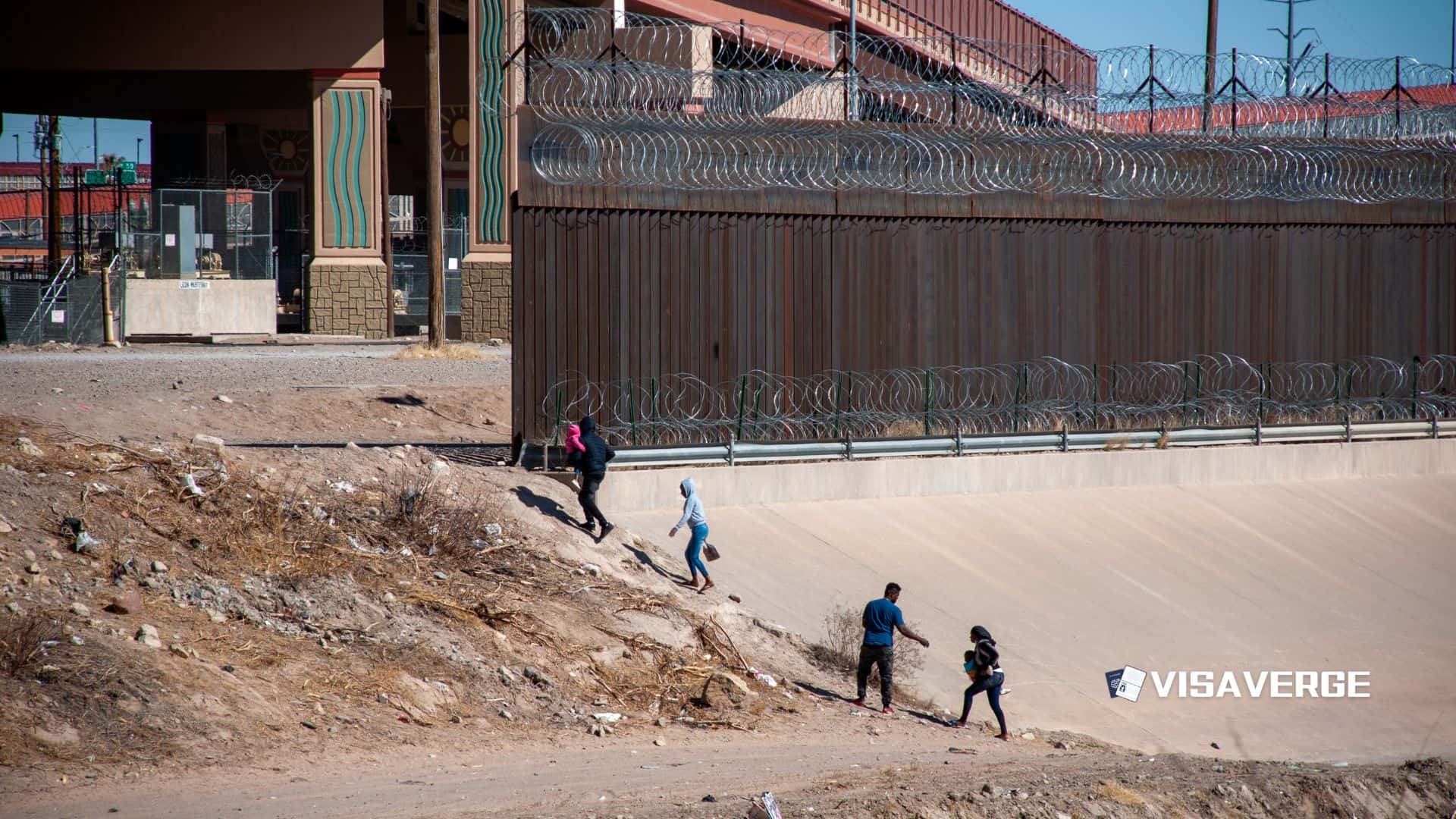
Spain has moved to contain the Ceuta crisis after the migrant surge reversed, with authorities saying about 69,500 migrants returned to Morocco over the past four days. But the enclave remained under heavy strain on August 3, 2026, with Ceuta leader Juan Jesús Vivas saying 3,000 to 5,000 migrants were still there and the reception system had “collapsed”.
- Spain installed a 500-metre floating barrier off Ceuta’s border with Morocco on Saturday, after crossings reportedly fell to about zero overnight.
- Fernando Grande-Marlaska said Spain had largely restored order within 24 hours, while reinforced police and military deployments would remain in place as long as needed.
- The official death toll on the Spanish side stands at 72, with 11 deaths on the Moroccan side.
- Local official Alberto Gaitan said Ceuta is processing 862 migrant minors, who have special legal protections from deportation.
Morocco on August 3, 2026 blamed a July 8, 2026 Spanish Supreme Court ruling for the surge of migration into Ceuta, saying the decision weakened deterrence and signaled migrants they would be protected. Spain and Morocco have since moved to tighten coordination as authorities reported a rapid reversal of the crossings, with many arrivals heading back to Morocco.
- A senior Moroccan official said, “It is up to Spain to find a solution to restore deterrence,” and argued that Spain should have foreseen the migration impact of the court ruling.
- Morocco said it kept about 24,000 security personnel deployed, while rejecting claims that it had relaxed border controls.
- Moroccan authorities reported about 40,000 people entered Ceuta, while Spain estimated about 69,500 returned; the death toll stands at 72 on the Spanish side and 11 on the Moroccan side.
- Reuters reported on July 31, 2026, that Spain said more than 49,000 people had crossed into Ceuta over the previous 24 hours, and that more than 48,000 had gone back to Morocco by then.
1 earlier update
Spain has moved to contain the Ceuta crisis after the migrant surge reversed, with authorities saying about 69,500 migrants returned to Morocco over the past four days. But the enclave remained under heavy strain on August 3, 2026, with Ceuta leader Juan Jesús Vivas saying 3,000 to 5,000 migrants were still there and the reception system had “collapsed”.
Free toolSchengen Short-Stay Visa Calculator- Spain installed a 500-metre floating barrier off Ceuta’s border with Morocco on Saturday, after crossings reportedly fell to about zero overnight.
- Fernando Grande-Marlaska said Spain had largely restored order within 24 hours, while reinforced police and military deployments would remain in place as long as needed.
- The official death toll on the Spanish side stands at 72, with 11 deaths on the Moroccan side.
- Local official Alberto Gaitan said Ceuta is processing 862 migrant minors, who have special legal protections from deportation.
Spain said the death toll from the Ceuta border crossing rose to 72 by August 2, 2026, after officials recovered five more bodies along the enclave’s coast. The surge also prompted Spain and Morocco to halt the mass crossings by July 31, 2026, with the border fence reinforced and return procedures accelerated.
- Spain’s government representative in Ceuta, Miguel Ángel Pérez, said on August 2 that more than 1,000 people had been treated by health services since Thursday.
- Spain and Morocco agreed to the urgent return of migrants who entered Ceuta and to step up coordination on procedures to speed returns.
- The European Commission said there were no onward movements from Ceuta to the European mainland and that irregular entrants would not be able to move freely into the rest of the EU.
- Ursula von der Leyen told Pedro Sánchez on August 3 that the EU must do more to strengthen borders at critical points and can provide more support to Morocco.
2 earlier updates
Morocco on August 3, 2026 blamed a July 8, 2026 Spanish Supreme Court ruling for the surge of migration into Ceuta, saying the decision weakened deterrence and signaled migrants they would be protected. Spain and Morocco have since moved to tighten coordination as authorities reported a rapid reversal of the crossings, with many arrivals heading back to Morocco.
- A senior Moroccan official said, “It is up to Spain to find a solution to restore deterrence,” and argued that Spain should have foreseen the migration impact of the court ruling.
- Morocco said it kept about 24,000 security personnel deployed, while rejecting claims that it had relaxed border controls.
- Moroccan authorities reported about 40,000 people entered Ceuta, while Spain estimated about 69,500 returned; the death toll stands at 72 on the Spanish side and 11 on the Moroccan side.
- Reuters reported on July 31, 2026, that Spain said more than 49,000 people had crossed into Ceuta over the previous 24 hours, and that more than 48,000 had gone back to Morocco by then.
Spain has moved to contain the Ceuta crisis after the migrant surge reversed, with authorities saying about 69,500 migrants returned to Morocco over the past four days. But the enclave remained under heavy strain on August 3, 2026, with Ceuta leader Juan Jesús Vivas saying 3,000 to 5,000 migrants were still there and the reception system had “collapsed”.
- Spain installed a 500-metre floating barrier off Ceuta’s border with Morocco on Saturday, after crossings reportedly fell to about zero overnight.
- Fernando Grande-Marlaska said Spain had largely restored order within 24 hours, while reinforced police and military deployments would remain in place as long as needed.
- The official death toll on the Spanish side stands at 72, with 11 deaths on the Moroccan side.
- Local official Alberto Gaitan said Ceuta is processing 862 migrant minors, who have special legal protections from deportation.
- Approximately 60,000 migrants entered the Spanish enclave Ceuta within a single twenty-four-hour period.
- The humanitarian crisis resulted in at least 57 deaths due to drownings and border stampedes.
- Italy suspended the Schengen agreement with Spain, reimposing passport controls for all air and sea travel.
An unprecedented migration crisis sent approximately 60,000 migrants from Morocco into the Spanish enclave of Ceuta within 24 hours on July 30–31, 2026, overwhelming local services and leaving at least 57 people dead.
The arrivals equaled nearly 70% of the enclave’s population, which stands at 83,000. Some victims drowned while attempting to swim around breakwaters. Others died in stampedes at border fences.
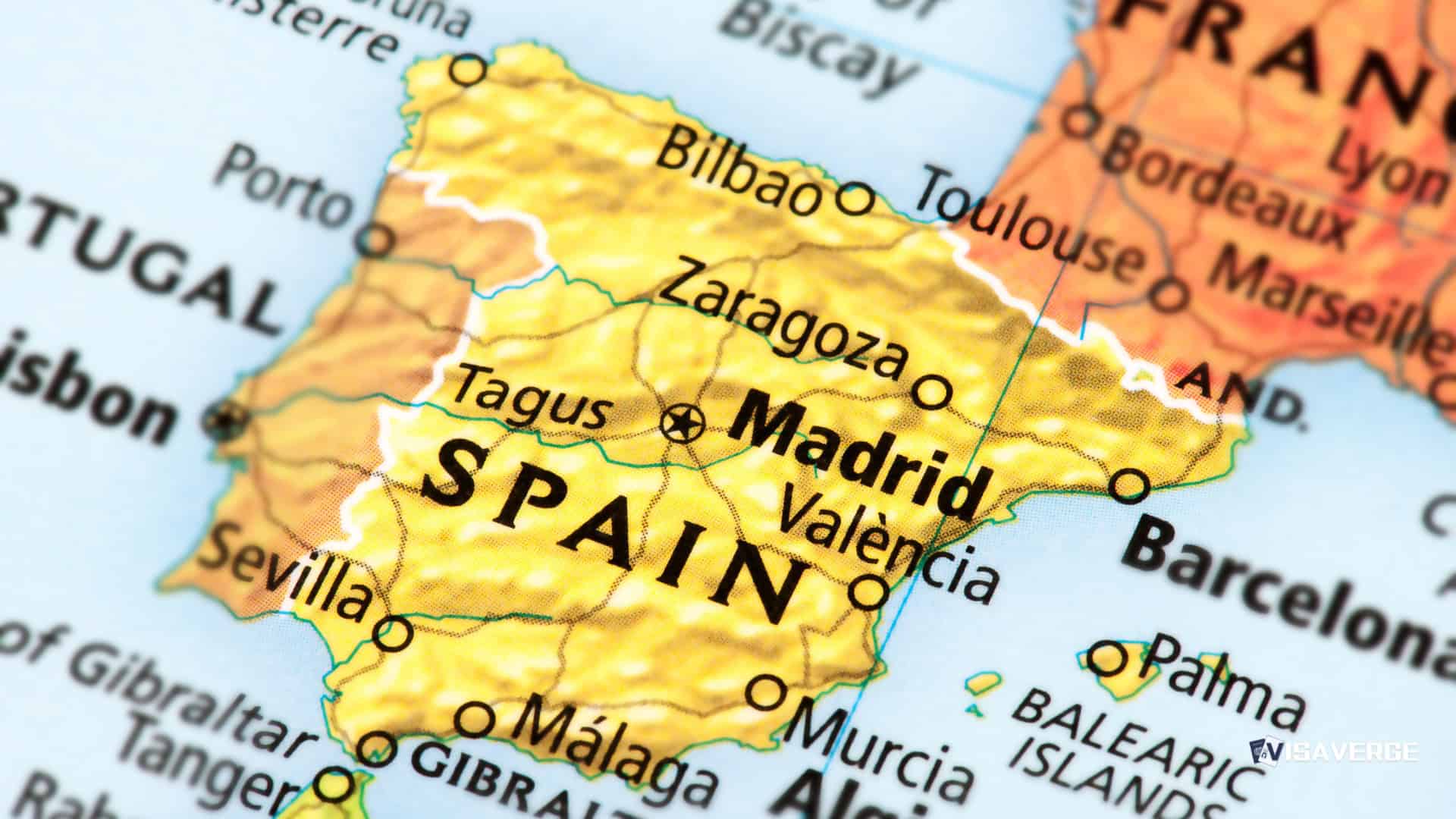
Prime Minister Pedro Sánchez called the movement a “violation of Spain's territorial integrity” and an “attack.” He blamed human trafficking gangs for circulating misinformation about the legal consequences of reaching the territory by sea.
“This has spread like wildfire during these last few hours through the networks of mafias that traffic in human beings. they deceive so many young people and ultimately lead many of them to their deaths.”
Sánchez spoke on July 31 as reception facilities buckled under the influx. Minor shelters operated at more than 2,400% capacity.
Spanish authorities said roughly 48,300 migrants had voluntarily returned to Morocco by the evening of July 31. Madrid and Rabat reached an agreement as Spanish officials sought to restore control of the frontier.
The deaths came as shelters reached more than 2,400% capacity
The scale of the movement sharply narrowed the distance between a border emergency and a humanitarian crisis. At least 57 people died during the crossing, including migrants who entered the water near breakwaters and people caught in crushes at the fences.
The reception system could not absorb the arrival. Minor shelters operated at more than 2,400% capacity while officials worked to move people through the territory and arrange returns.
The reported returns did not erase the human cost. By the evening of July 31, authorities had recorded tens of thousands of people going back to Morocco under the Madrid-Rabat arrangement.
| Measure | Figure or action |
|---|---|
| Migrants reaching the enclave | Approximately 60,000 in 24 hours |
| Share of the local population | Nearly 70% of 83,000 people |
| Confirmed deaths | At least 57 |
| Reported returns to Morocco | Roughly 48,300 by the evening of July 31 |
| Shelter pressure | More than 2,400% capacity |
Sánchez deployed the Spanish military and reinforced the Civil Guard. The measures targeted the frontier as authorities tried to regain control after the sudden influx.
A Supreme Court ruling was recast as an open-border promise
The prime minister’s allegation centered on messages that reportedly spread after a recent Spanish Supreme Court ruling. The decision clarified that authorities cannot summarily return migrants who reach the territory by swimming, a practice known as a “hot return,” without a formal administrative process.
Traffickers reportedly presented that procedural protection as proof that the borders were “open.” The ruling did not establish an open border, but the messages described in Sánchez’s statement encouraged people to attempt the crossing.
The route itself carried lethal risks. Migrants swam around breakwaters, while others crowded border areas where stampedes later occurred.
Sánchez said the networks deceived young people and pushed them toward journeys that led many to their deaths. His account identified the alleged misinformation campaign as a driver of the surge, while the confirmed record also included deaths, shelter collapse and mass returns.
Washington condemned Madrid as the United States warned its citizens
The U.S. Department of State issued a formal reaction on July 31. It said the incident resulted from what it described as the Spanish government’s deliberate efforts to facilitate mass migration into Europe.
“This unacceptable incident is the direct result of the Spanish Government's deliberate efforts to enable and facilitate mass illegal migration into Europe.”
The department also expressed support for “the people of Spain, and all Europeans, against this egregious violation of their sovereignty and human rights.”
Anna Kelly, the White House Principal Deputy Press Secretary, separately criticized European migration policies in an interview.
“President Trump has long cautioned Europe about the repercussions of far-left globalist policies, particularly those promoting mass migration. Spain and other nations that have adopted this detrimental stance must change direction immediately or face the risk of a bleak future.”
The U.S. Embassy in Spain issued a Security Alert for American citizens. The warning covered arrivals in the enclave and hundreds of migrants who reached Melilla during the preceding 24 hours.
“The arrival of thousands of migrants from Morocco to Ceuta and hundreds to Melilla in the past 24 hours may lead to unpredictable and dangerous situations. . U.S. officials advise American citizens not to travel to the affected areas at this time.”
Italy also acted on July 31. It temporarily suspended its open-border Schengen agreement with Spain and reimposed passport controls for air and sea travel to “safeguard the security of our citizens.”
DHS released separate U.S. enforcement figures
The Department of Homeland Security did not issue a standalone press release about the Spanish emergency. Its official figures released on July 31 instead described U.S. enforcement actions.
The department said it had expelled more than 622,000 undocumented immigrants since January 2025. A DHS spokesperson said worksite enforcement remained central to the agency’s broader mission.
“Worksite enforcement remains a cornerstone of our efforts to protect public safety, national security, and economic stability.”
Those figures concern U.S. enforcement activity, not the Spanish-Moroccan border response. Spain’s military, Civil Guard and authorities in Madrid handled the frontier operation, while Rabat participated in the return arrangement.
The immediate cross-border measures remained in place as the crisis moved into its next phase: thousands had returned, shelters were operating far beyond capacity and Italy had restored passport checks for travel with Spain on July 31.
This article provides general information and is not legal advice. Consult a qualified immigration attorney about your specific case.