- Former attorney Alexandra Lozano permanently resigned following one of the largest immigration fraud schemes in recent history.
- The scheme involved over fifty-three thousand pending cases, many containing fabricated claims of domestic abuse and trafficking.
- Affected clients paid up to thirty thousand dollars and now face potential removal proceedings and legal uncertainty.
(WASHINGTON) — Former Washington attorney Alexandra Lozano orchestrated what officials describe as one of the largest immigration fraud schemes in recent memory, exploiting humanitarian visa programs intended to protect victims of domestic abuse and human trafficking. Her firm, Luz del Camino Legal, closed on June 10, 2026, following Lozano’s permanent resignation from the Washington State Bar. The collapse leaves tens of thousands of immigrants facing uncertain legal status and potential removal proceedings.
USCIS issued an official alert on June 26, 2026, confirming that Lozano resigned from the State Bar of Washington on May 26, 2026, in lieu of discipline. The agency stated she is permanently barred from practicing law in Washington and advised former clients to verify their case status immediately. USCIS warned that fraudulent filings may have been submitted without clients’ knowledge or consent.
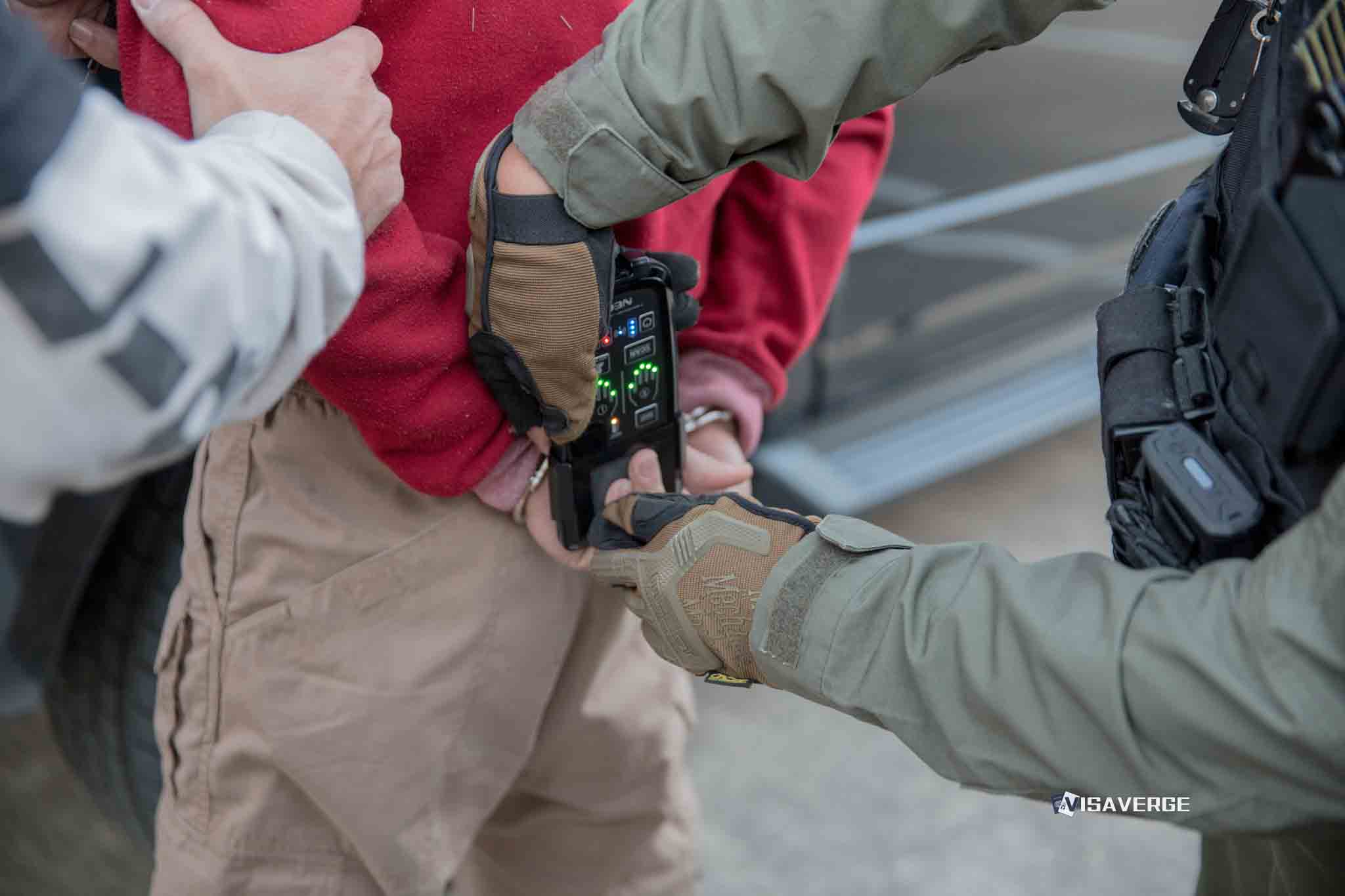
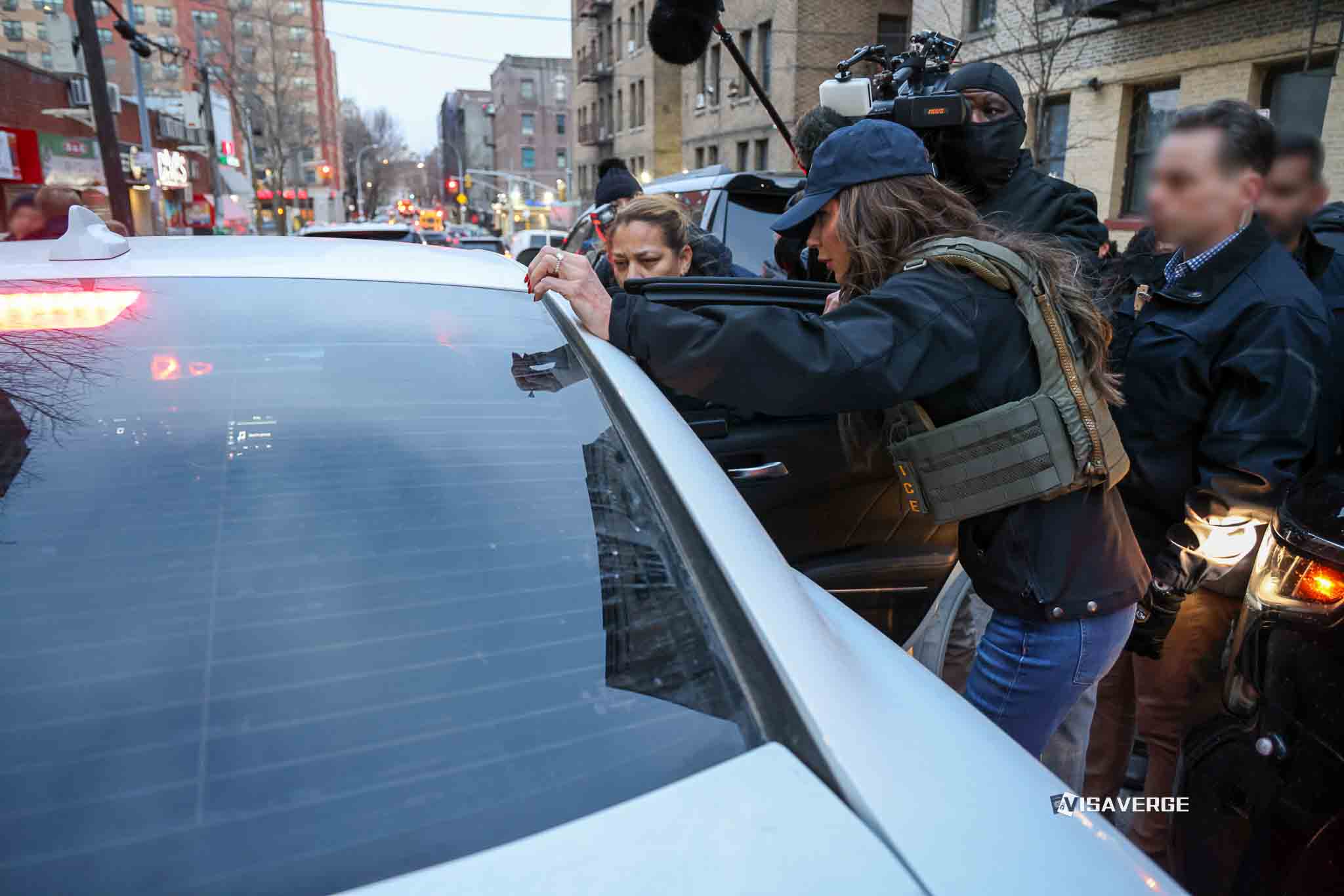
The enforcement response extends beyond bar discipline. DHS General Counsel James Percival issued a memo on May 26, 2026, directing ICE to intensify enforcement against immigration lawyers who commit fraud. Percival stated that fraudulent claims “threaten the safety of Americans by overwhelming our burdened immigration system and delaying the removal of dangerous criminal aliens.” The memo framed the effort as a nationwide warning to attorneys who exploit the immigration system.
Free toolUSCIS Receipt Number DecoderDHS Secretary Markwayne Mullin reinforced that stance on June 8, 2026. “American citizenship is a privilege, and it must be earned honestly,” Mullin said. He warned that individuals who “lie in immigration proceedings” forfeit that privilege and that DHS would not tolerate exploitation of the system by legal professionals.
Humanitarian Visa Programs Targeted
Humanitarian visa programs targeted in the scheme provide critical protections for victims of qualifying crimes. VAWA self-petitions under INA § 204(a)(1)(A)-(B) allow abused spouses, children, and parents of U.S. citizens or lawful permanent residents to self-petition for lawful status without the abuser’s knowledge or participation. T nonimmigrant status under INA § 101(a)(15)(T) provides temporary legal status to victims of severe forms of human trafficking who assist law enforcement investigations. Both programs require detailed, credible evidence of qualifying victimization.
| India | China | ROW | |
|---|---|---|---|
| EB-1 | Feb 01, 2023 ▲109d | Jul 01, 2023 | Current |
| EB-2 | Nov 01, 2013 | Oct 01, 2021 ▲30d | Jan 01, 2025 |
| EB-3 | Jan 01, 2014 | Jan 08, 2022 ▲7d | May 15, 2024 ▼109d |
| F-1 | Jan 22, 2020 | Jan 22, 2020 | Jan 22, 2020 |
| F-2A | Sep 22, 2026 ▲31d | Sep 22, 2026 ▲31d | Sep 22, 2026 ▲31d |
Scale of the Scheme
The scale of the scheme is unprecedented in immigration legal practice. According to the Washington State Bar Association, Lozano’s signature appears on more than 53,000 pending immigration cases, and she served nearly 80,000 people throughout her career. Lawsuits allege the firm operated an assembly-line system to file humanitarian visa applications, processing volume that far exceeds what a single attorney could review individually.
Allegations of Fabricated Claims
Attorneys reviewing the case describe fabricated narratives of domestic abuse and human trafficking inserted into applications for clients who never experienced such crimes. Lawsuits allege the firm copied and pasted client signatures onto documents the clients never reviewed. Non-lawyer staff reportedly delivered scripted sales pitches promising “100% protection” from deportation, according to court filings and bar records.
The financial damage to affected families is severe. Clients paid between $8,000 and $30,000 for services that lawsuits describe as “illusory” or fraudulent. Many families drained life savings to cover the fees. The firm’s closure makes refunds unlikely for most former clients.
Gabriel Martinez Garcia, one affected client, reported that his mother was placed in deportation proceedings after paying $30,000 for what the family believed was a legitimate path to legal status. His case is not isolated. Because many applications contained fabricated claims, USCIS has initiated removal proceedings under INA § 240 against individuals who believed they had lawful pending applications.
Fallout on Immigration Courts
Legal advocacy groups describe the fallout as a “tidal wave” hitting the immigration court system. Tens of thousands of applicants must now find new counsel to determine whether their pending applications are fraudulent, salvageable, or require withdrawal. Nonprofit legal service providers across Washington State report being overwhelmed by requests for assistance from former Lozano clients.
Policy Shifts and Enhanced Scrutiny
The Lozano case coincides with a significant policy shift at DHS. In 2025 and 2026, the agency adopted what officials describe as an “aggressive pursuit” of administrative and criminal fraud cases against legal professionals. USCIS reports a 360% increase in VAWA filings from 2020 to 2024, which officials cite as a primary driver for new anti-fraud vetting protocols and enhanced scrutiny of humanitarian visa applications across the board.
Steps for Former Clients
Former clients of Lozano or Luz del Camino Legal should take several immediate steps. Verify case status through the USCIS online portal. Request complete copies of all filings submitted on their behalf through a FOIA request to USCIS. Consult with a qualified immigration attorney to assess whether pending applications contain fabricated information and what corrective action may be available.
The Washington State Bar Association has issued a public service announcement directing affected clients to resources for finding replacement counsel. DHS press releases and the WSBA media center provide official updates as the investigation continues.
Innocent clients who unknowingly had fraudulent claims filed on their behalf may have legal remedies, but each case turns on its specific facts. Options may include withdrawing fraudulent applications, filing new applications based on legitimate claims, or seeking prosecutorial discretion in removal proceedings. None of these remedies is guaranteed. The complexity requires individualized legal analysis by a qualified immigration attorney.
The Lozano scheme underscores the vulnerability of immigrants seeking legal status and the systemic consequences when a practitioner exploits humanitarian protections at scale. VAWA self-petitions and T visa applications exist to protect genuine victims of crime. The fabrication of such claims harms not only the individuals whose cases were compromised but also legitimate applicants who now face heightened scrutiny from an agency already overloaded by a surge in filings.
⚖️ Legal Disclaimer: This article provides general information about immigration law and is not legal advice. Immigration cases are highly fact-specific, and laws vary by jurisdiction. Consult a qualified immigration attorney for advice about your specific situation.