- United CEO Scott Kirby approached Delta in 2025 to discuss a mega-merger that never reached formal negotiations.
- A combined airline would have controlled 90% of profits and nearly half of the domestic market.
- Delta leadership rejected the proposal after a preliminary review cited insurmountable antitrust hurdles and regulatory risks.
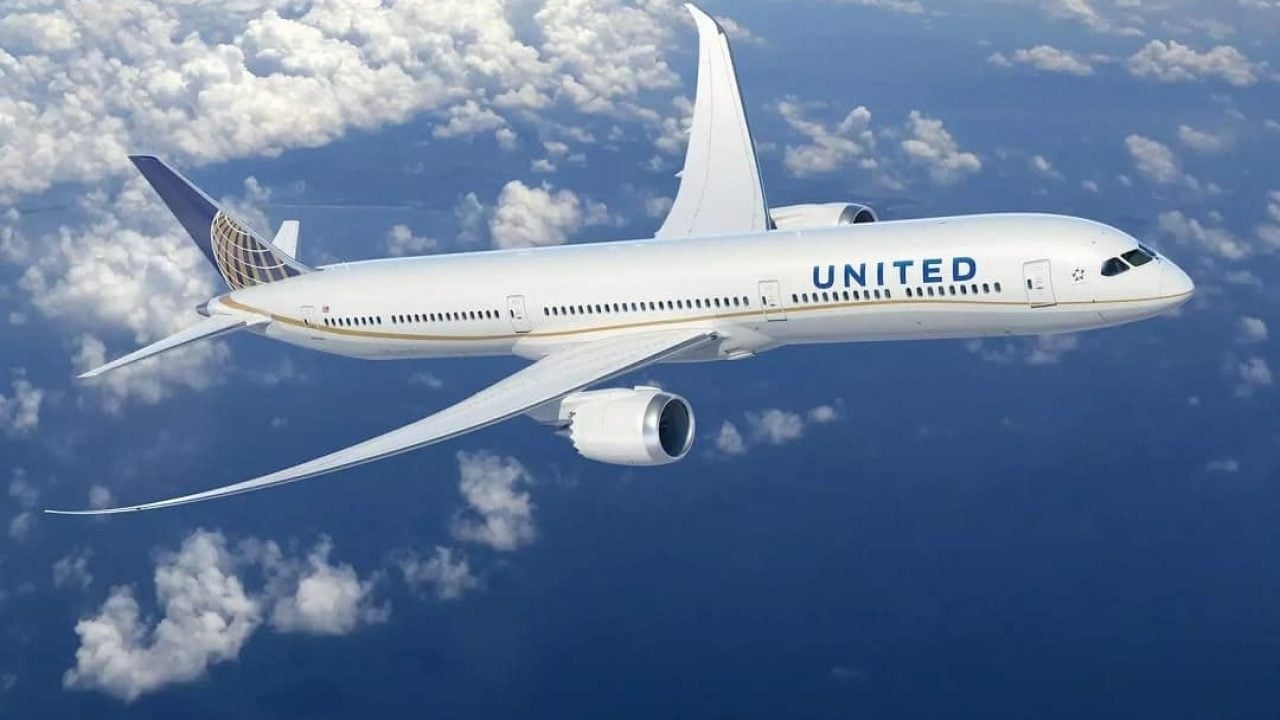
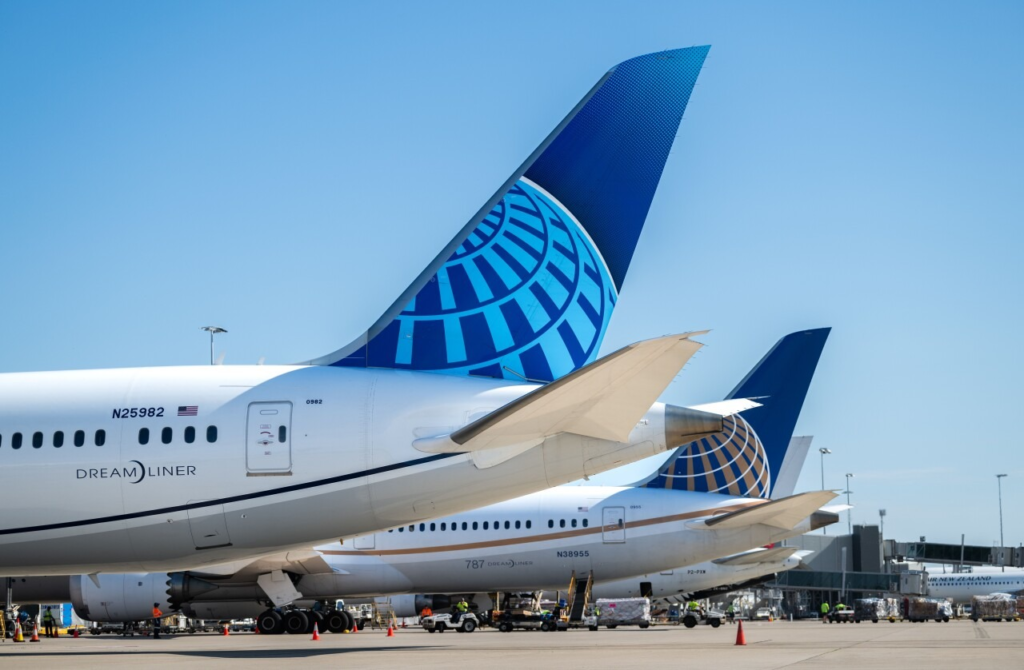
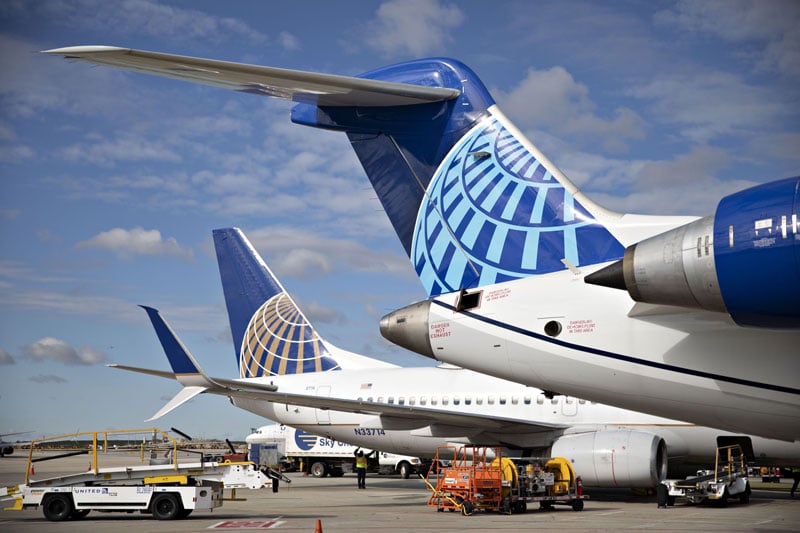
United Airlines CEO Scott Kirby called Delta Air Lines CEO Ed Bastian in 2025 to discuss combining the two carriers, but Delta ended the idea after a preliminary review, according to investigative reports released July 26, 2026.
The proposed tie-up never reached formal negotiations. Delta leadership examined the concept and conducted preliminary due diligence before deciding not to pursue it.
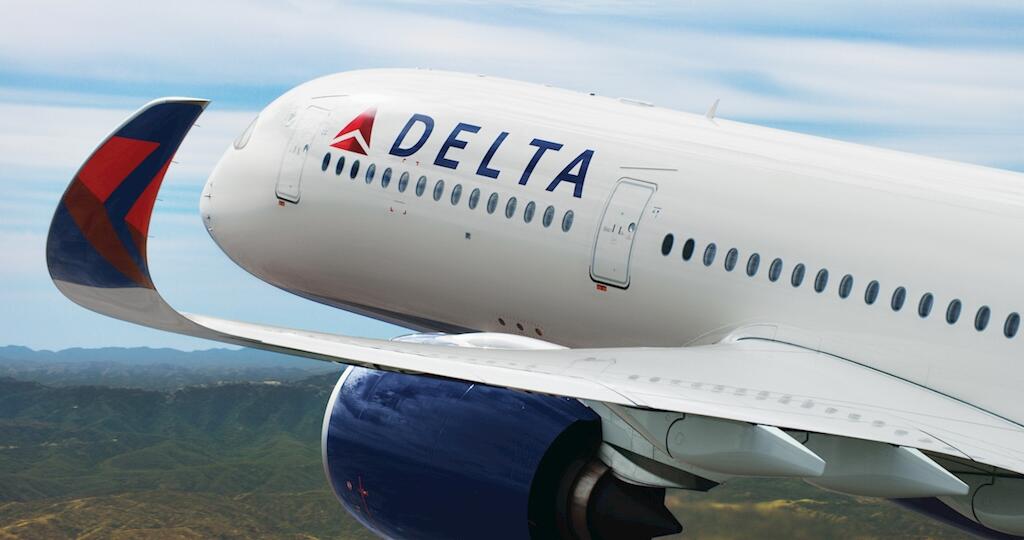
The approach joined two of the biggest U.S. airlines. A combined carrier would likely have faced intense antitrust scrutiny, particularly because the companies already hold major positions at Newark and Atlanta.
The companies kept their public responses brief. A spokesperson said United had “nothing to share,” while Delta declined to comment.
The episode also came before Kirby's unsuccessful attempt to combine with American Airlines in early 2026. Together, the two approaches show the breadth of his effort to build a larger U.S. carrier for international competition.
The proposed airline would have combined scale with a difficult antitrust case
Reports described the proposed transaction as a “mega-merger” between the two most valuable U.S. carriers. The combined company would have had a market capitalization approaching $100 billion, based on the figures cited in the reports.
Its projected market position would have been unusually large. The reports said the merged airline could have controlled between 35% and 50% of the U.S. domestic market and roughly 90% of total U.S. airline industry profits, using 2025 figures.
Those estimates were presented as projections tied to the proposed combination. The transaction itself never advanced far enough to establish a final structure, operating plan or regulatory filing.
| Measure | Reported potential combined scale |
|---|---|
| Market capitalization | Approaching $100 billion |
| U.S. domestic market share | Between 35% and 50% |
| Share of total U.S. airline industry profits | Roughly 90%, based on 2025 figures |
Delta's preliminary review focused on whether the deal could survive regulatory scrutiny. The talks stalled after the company concluded that the antitrust hurdles were insurmountable, according to the reports.
That concern followed a tougher period for airline consolidation. In 2024, a federal court blocked JetBlue's $3.8 billion acquisition of Spirit Airlines, setting a precedent against deals that could raise fares for low-income travelers.
Kirby framed consolidation as a global competition strategy
Kirby has argued that larger U.S. airlines need more scale to compete with state-subsidized international carriers in Asia and the Middle East. In April 2026, he said foreign carriers fly 65% of long-haul seats into the United States, while U.S. citizens make up 60% of passengers.
He characterized that gap as a global trade deficit in aviation. His stated objective was a carrier able to compete more effectively across international markets.
“In the past, airline mergers usually have been about two struggling airlines coming together to cut costs, flights and headcount. My aspirations could not be more different. We want to create a truly globally competitive U.S. carrier.”
Kirby's argument differed from the traditional rationale for airline mergers. He said his proposals focused on growth rather than cuts, although labor unions remained skeptical about seniority integration, possible hub closures and the effect on employees.
He later lowered expectations for another large combination. In a separate statement, Kirby said, “I think consolidation is unlikely for United. That doesn’t mean we won’t continue acquiring assets in the market, but the probability of consolidation is very low.”
A Delta merger would have reshaped hubs, fares and loyalty programs
The proposed combination would have affected travelers most directly at hubs where the two carriers already hold strong positions. Analysts predicted significant fare increases, particularly at Newark Liberty International Airport and Hartsfield-Jackson Atlanta International Airport.
The companies also operate two of the industry's major loyalty programs. Combining MileagePlus with SkyMiles would have created a much larger program, while experts warned that fewer competing options could have led to a devaluation of points for premium travelers.
Employees faced a different set of risks. A merger would have required seniority integration between workforces, and unions feared that the process could produce conflicts or lead to hub closures.
The proposal therefore carried consequences beyond corporate size. It could have changed airport competition, frequent-flyer value and employment arrangements across both networks.
The later American proposal met public resistance
Kirby's Delta approach preceded a separate 2026 effort involving American Airlines. Robert Isom, American's CEO, rejected that proposal and described the concept as harmful to competition and customers.
“Anticompetitive and bad for customers. The idea of the two largest airlines in the world getting together is something we’ve viewed as being bad for the industry.”
President Donald J. Trump also opposed the later American proposal during a CNBC interview in April 2026. “I don’t like having them merge. It makes them lazy,” Trump said.
The political response added another obstacle to Kirby's consolidation ambitions. The Delta discussions ended earlier, during the preliminary-review stage.
Regulators are maintaining pressure on large mergers
The Justice Department announced on July 23, 2026, that it was resuming “targeted HSR merger reviews.” The announcement signaled continued scrutiny of large corporate combinations as airlines and other industries consider consolidation.
The 2024 court decision involving JetBlue and Spirit remains part of that regulatory backdrop. A United-Delta transaction would have presented a larger concentration question because of its potential share of domestic markets and industry profits.
The carriers' July 2026 stock movements did not indicate a merger agreement. Delta shares rose 2.9% to 3.77% in early trading on July 27, reaching roughly $87.55, while United shares rose 2.5%, according to the reports.
Those moves followed publication of the account of the earlier talks. Neither company announced formal negotiations.
The disclosure also arrived as Kirby's broader strategy faced practical limits. Delta reviewed the concept, rejected it, and left the later American proposal as the more visible 2026 attempt to create a mega-carrier.
Kirby has said United is unlikely to pursue another consolidation deal. His comments leave acquisitions of assets as the stated alternative, with the probability of a full airline merger described as very low.