- United CEO Scott Kirby has pitched a potential merger with American Airlines to senior government officials.
- The proposed combination faces severe antitrust hurdles as both carriers dominate the Chicago O’Hare hub.
- Rising fuel costs and geopolitical tensions in 2026 are driving discussions about industry consolidation and efficiency.
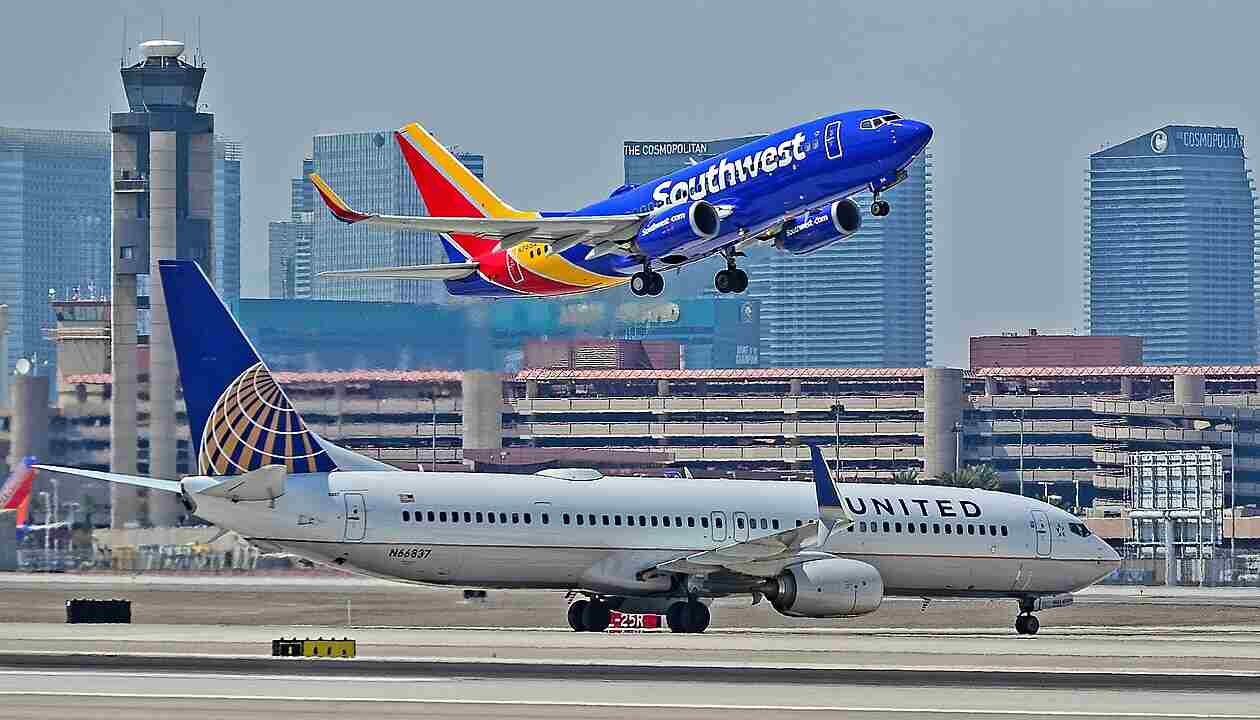
(UNITED STATES) — United Airlines CEO Scott Kirby has privately pitched a possible combination with American Airlines to senior government officials, and travelers should watch Chicago O’Hare closely because the two carriers already fight hard for traffic there. No deal process is underway, but any merger talk could reshape fares, schedules, and frequent-flyer choices on some of the country’s busiest business routes.
The proposal is still only a pitch, and spokespeople for both airlines declined to comment. The idea would face heavy antitrust scrutiny because United and American together control more than a third of the U.S. market, a scale that would draw sharp attention from regulators and competitors.
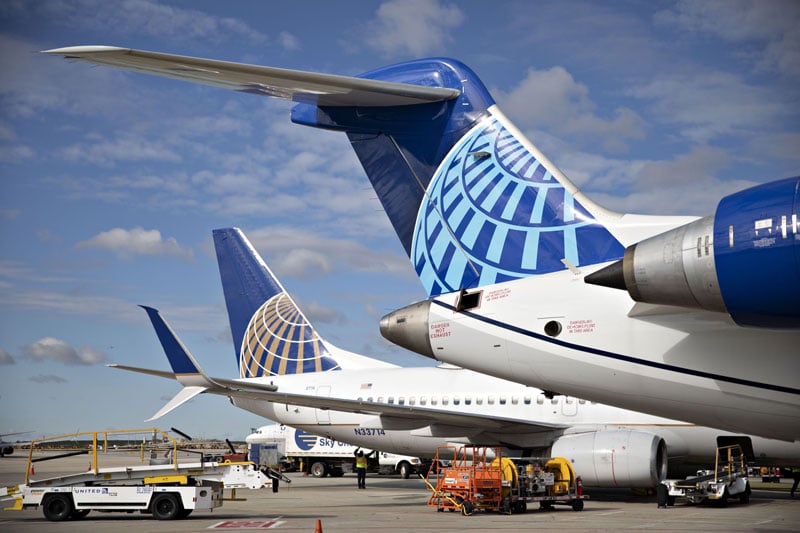
That pressure is already visible at O’Hare, where United holds about 50% of weekly capacity and American about 30%. United earned roughly $500 million there last year, while American says the airport brings in about $800 million annually. The fight is not theoretical. It is tied to schedules, gates, connecting traffic, and corporate contracts.
Kirby’s outreach comes as airline costs stay elevated, with jet fuel prices pushed higher by geopolitical tension tied to the US-Iran war and the Strait of Hormuz closure. Higher fuel bills usually hit fares first on short-haul domestic flying, where margins are thinner and competition is intense. Chicago O’Hare sits at the center of that fight because both airlines rely on it for connecting traffic across the country.
The regulatory path also looks steep. Transportation Secretary Sean Duffy said on April 7 that President Trump supports big deals, but larger combinations would need divestitures to avoid too much market power and higher prices. That language points to the same issue that has slowed past airline mergers: regulators want competition preserved on overlapping routes, not just promises about service.
Kirby has also made clear how he sees the industry. In a recent interview, he predicted only two large, revenue-diverse, full-service, brand-loyal airlines would survive in the U.S., with United and Delta fitting that model. He has also criticized American for lagging on premium products, a jab that lands directly with business travelers who pay up for better seats, lounges, and schedule flexibility.
American has not sat still at Chicago O’Hare. Ahead of 2026 gate allocations, the airline pushed back with new routes to Allentown, Pennsylvania, and Columbia, South Carolina, plus two other routes that had previously belonged to United alone. Kirby responded in January by saying United would add as many flights as needed to block American’s expansion.
| Detail | Information |
|---|---|
| Origin | Chicago O’Hare |
| Destination | Allentown, Pennsylvania |
| Frequency | Not disclosed |
| Aircraft | Not disclosed |
| Start Date | Not disclosed |
Mileage fans would have reason to pay attention if a merger ever advanced, because overlapping networks usually mean fewer redemption sweet spots and less competition for award space. United MileagePlus and American AAdvantage both rely heavily on hub connectivity, and O’Hare is one of the biggest battlegrounds for both programs. If carriers consolidate flying, business-class award space can tighten quickly while cash fares on monopoly-style routes often rise.
Current competition still gives travelers options. Delta remains the other major full-service rival in the U.S., and its presence limits how far United or American can push pricing on many trunk routes. On O’Hare itineraries, however, United and American set the tone. That affects not only cash tickets, but also upgrade odds, elite-qualifying earnings, and the value of status when schedules move.
Kirby’s own history explains part of the drama. He recounted earlier efforts at America West, later acquired by American, and said he was involved in a failed US Airways-United deal that was leaked to test reactions before Continental stepped in. That record matters because airline mergers rarely emerge from public planning; they usually start with quiet conversations, then run into regulators, labor groups, and airport politics.
The practical effect for travelers is simple. O’Hare is where the United-American rivalry is most visible, and any sign of a deal would immediately affect fares, award pricing, and route choices across the Midwest and beyond. This route is ideal for travelers who want to track O’Hare competition closely, especially if a spring or summer trip depends on United MileagePlus or American AAdvantage space at Chicago O’Hare.