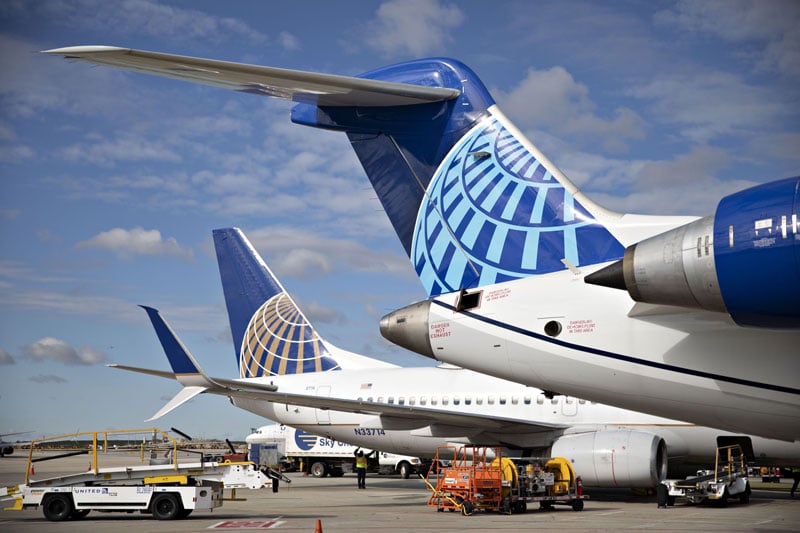
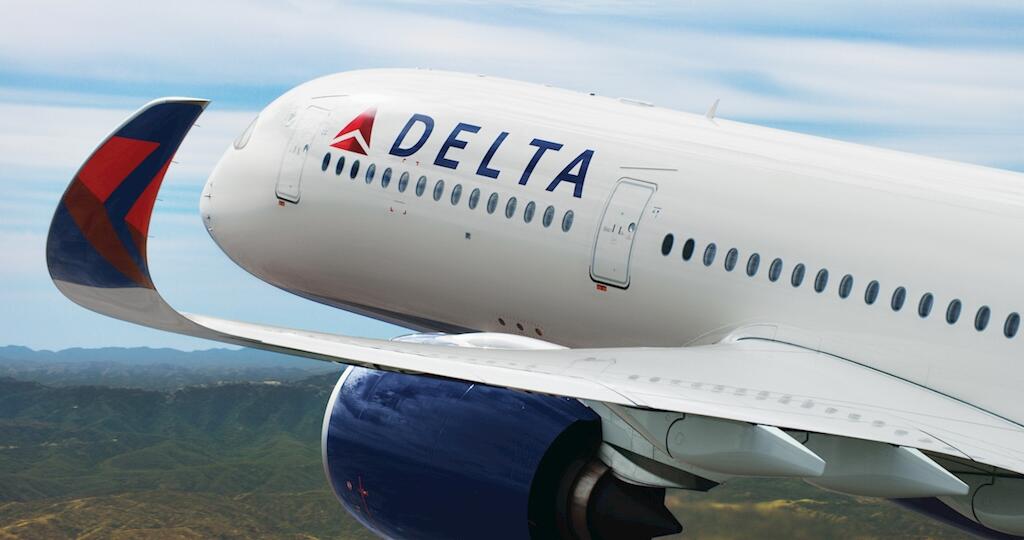
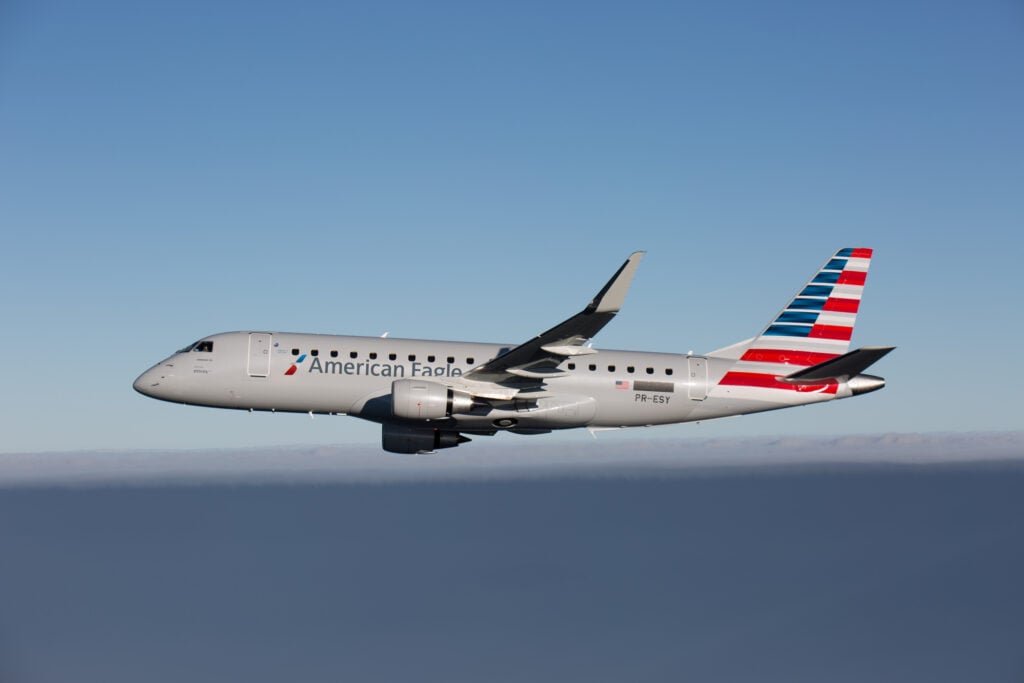
- Rumors of a potential merger between United and American Airlines valued at $35-45 billion have sparked widespread concern.
- The combined carrier would control 40% of capacity, potentially reducing the “big four” airlines into a dominant “big three.”
- Analysts warn of higher ticket prices, fewer flight options, and significant antitrust challenges from federal and state regulators.
(US) — United has not announced a merger with American Airlines, and American Airlines has not confirmed one, but reported discussions about a possible tie-up valued at $35-45 billion have already raised alarms about higher ticket prices and tighter competition across the United States.
Speculation remains at the rumor stage, with no deal in progress. Even so, analysts and consumer advocates cited in recent reports said a combined carrier would reshape the industry quickly because of the size of the two airlines and the overlap in their networks.
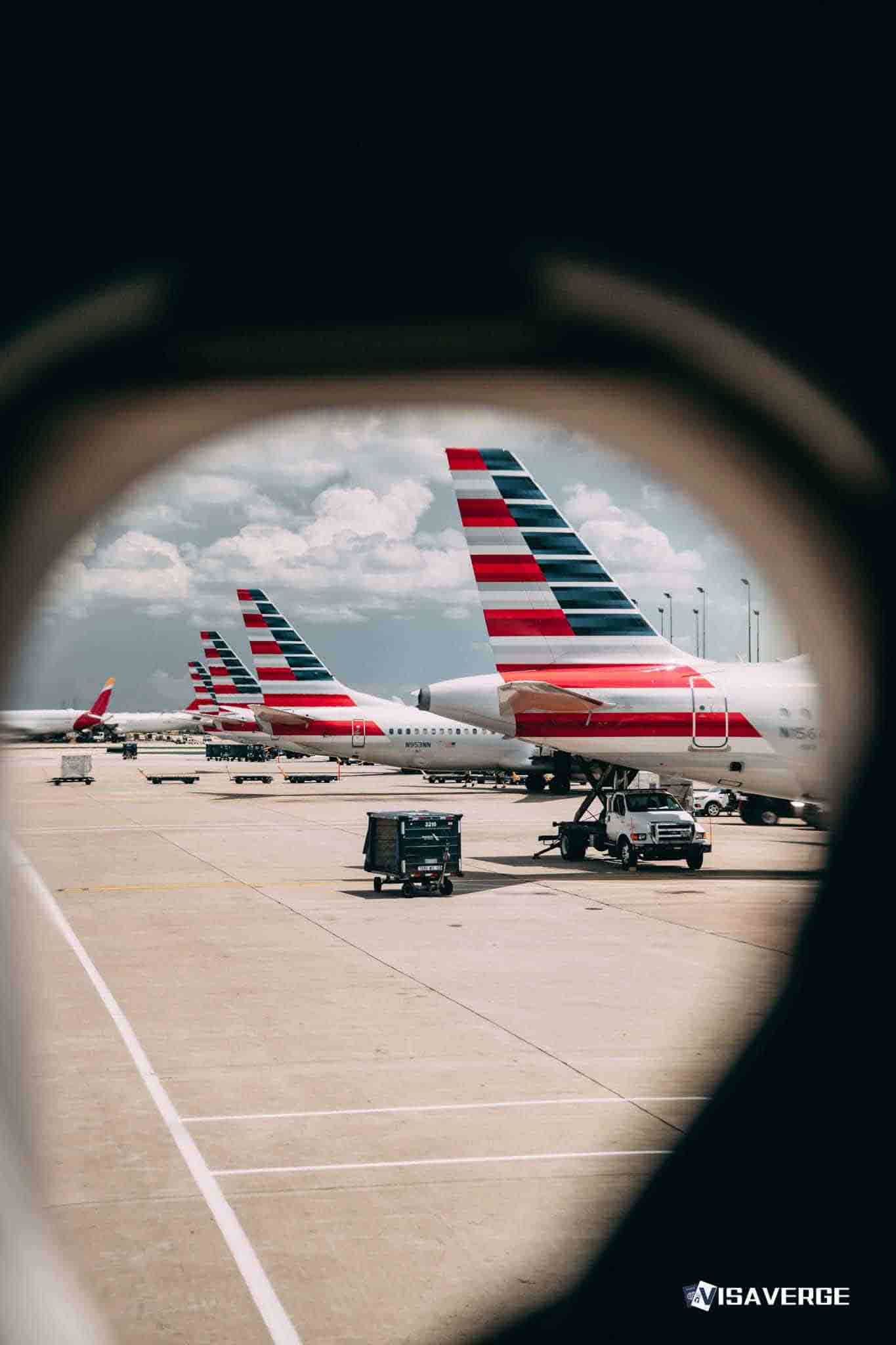
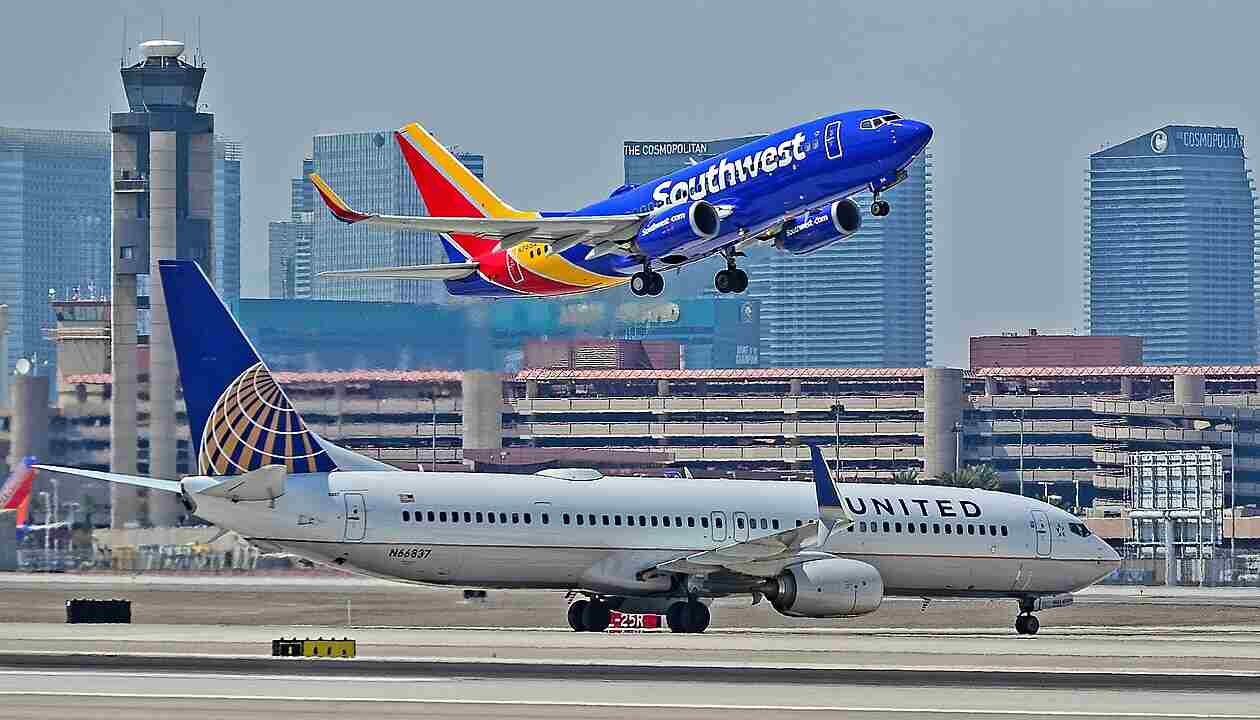
A merged United-American airline would control about 40% of US airline capacity. That would shrink an industry now dominated by the “big four,” which already account for 80% of capacity, into what critics describe as a much more concentrated “big three.”
Those concerns center on fare pressure first. Reports said overlapping routes at hubs including Chicago O’Hare and Los Angeles International, where United and American compete directly, would face the sharpest scrutiny because less head-to-head competition often leaves passengers with fewer choices and higher prices.
William McGee of the American Economic Liberties Project called the idea “beyond horrific,” saying it would harm consumers, labor, and regions. Paul Hudson, president of Flyers Rights, said reduced competition could mean “fewer flights, less convenience, and more delays,” echoing warnings that earlier airline mergers ended with higher fares.
Past consolidation gives those warnings weight. Reports on the potential deal pointed to earlier combinations across the airline industry that raised fares, cut options and increased concentration at major hubs, especially where one or two carriers already held dominant positions.
George Washington University law professor William Kovacic described that hub concentration as “pretty extreme.” Economist Borenstein also pointed to price increases where airlines overlap, a pattern that critics said would matter immediately if United and American Airlines combined their schedules, gates and pricing power.
Travelers interviewed in those reports voiced the same concern in plainer terms. Sandra Kuhl called the prospect a “monopoly” that would make high prices “a lot tougher,” while Jim Kolb said competition plays a direct role in service quality.
Consumer worries extended beyond base fares. Reports said passengers could also face weaker loyalty programs, fewer direct flights from smaller airports, more multi-leg itineraries and fewer hub airports, all while baggage fees rise alongside pressure from high fuel costs.
Smaller communities appeared especially exposed in that scenario. Reports singled out places such as Minot or Dickinson, North Dakota, as examples of markets where nonstop options could become harder to keep if a larger combined carrier concentrated flying at its biggest hubs.
Political and legal barriers stand in the way. United CEO Scott Kirby reportedly discussed the idea with top Washington lawmakers, and reports also mentioned talks involving President Trump, but antitrust resistance would likely begin as soon as any formal agreement surfaced.
State attorneys general, particularly in Illinois because of O’Hare’s central role, would likely challenge the transaction. Federal regulators also would be expected to oppose it on competition grounds, according to the reports, which described the legal hurdles as huge.
Neither airline has commented publicly. That silence has left the market with a proposal that remains speculative, but the reaction around it has been concrete because the structure of the industry makes even an unconfirmed combination between United and American Airlines unusually sensitive.
The airline business already runs on narrow choices in many cities, particularly outside the largest metropolitan areas. A tie-up of the second- and third-largest names on many travelers’ booking screens would intensify questions about how much room remains for price competition when four dominant carriers already hold 80% of national capacity.
Chicago and Los Angeles illustrate why ticket prices dominate the discussion. Those hubs are not symbolic overlap points; they are places where the two carriers compete for business travelers, connecting passengers and local fliers, which means any reduction in rivalry would be felt on routes that carry large volumes of traffic.
Industry history has made regulators more wary of that kind of overlap. Reports tied the current debate to earlier consolidations that left fewer major airlines, stronger fortress hubs and a structure in which consumers often saw the effects not in one dramatic fare jump, but in steadily thinner competition and fewer alternatives.
That pattern also helps explain why consumer advocates focused on service as much as price. Hudson’s warning about “fewer flights, less convenience, and more delays” captured a broader concern that a merger of this scale would affect the full travel experience, from route maps to connection times to the practical value of frequent-flyer rewards.
Fuel costs added another layer to the discussion. Reports said those pressures, together with rising baggage fees, could compound costs for passengers if the number of effective competitors on a route fell, especially where United and American now check each other on price.
The numbers alone explain why the idea draws immediate scrutiny. A transaction valued at $35-45 billion and creating a carrier with roughly 40% of US capacity would not look like a routine corporate combination; it would test how much concentration regulators will tolerate in a market that millions of Americans use for work, family and daily commerce.
Kirby’s reported outreach to lawmakers suggests the concept has at least entered political conversation, even without a formal announcement. Yet the absence of public comment from either airline, combined with the expectation of antitrust challenges from states and federal authorities, leaves the idea where it began: heavily discussed, unconfirmed and far from a deal.
Even at that stage, the reaction has been unusually sharp. McGee’s description of the prospect as “beyond horrific,” Kuhl’s warning about a “monopoly,” and Hudson’s forecast of “fewer flights, less convenience, and more delays” show how quickly debate over one rumored merger has turned into a wider argument over who sets ticket prices in the American airline market.