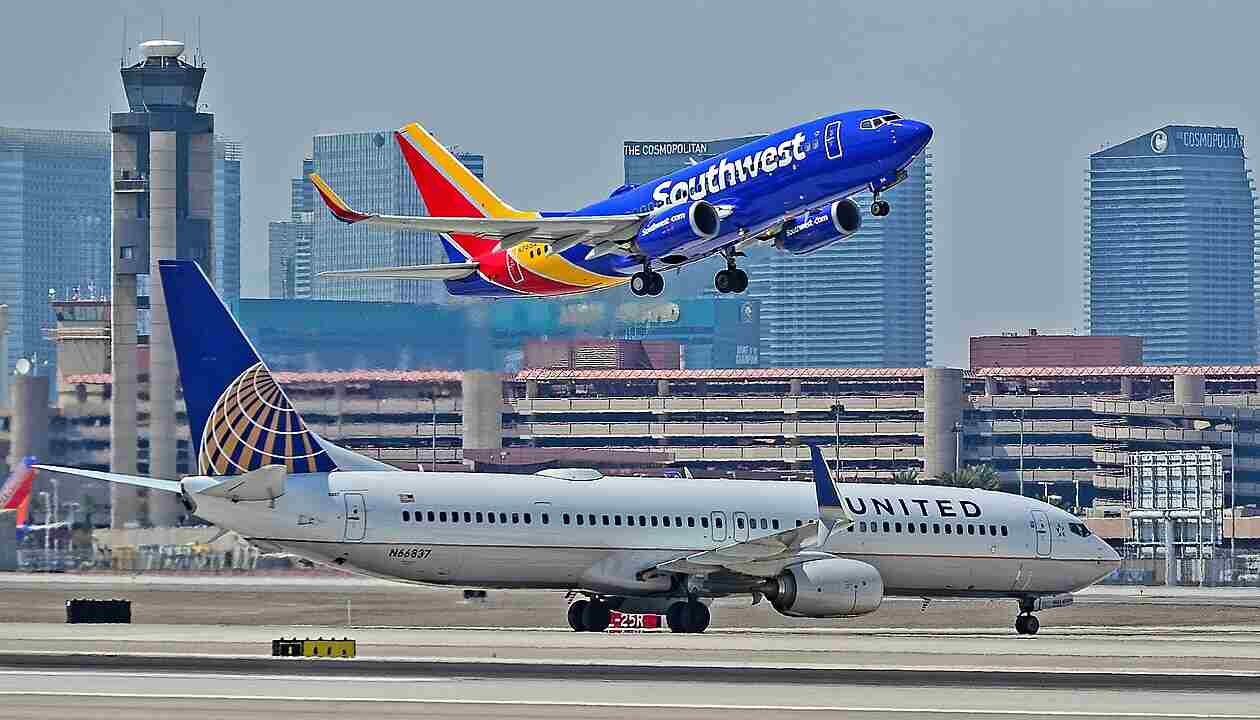
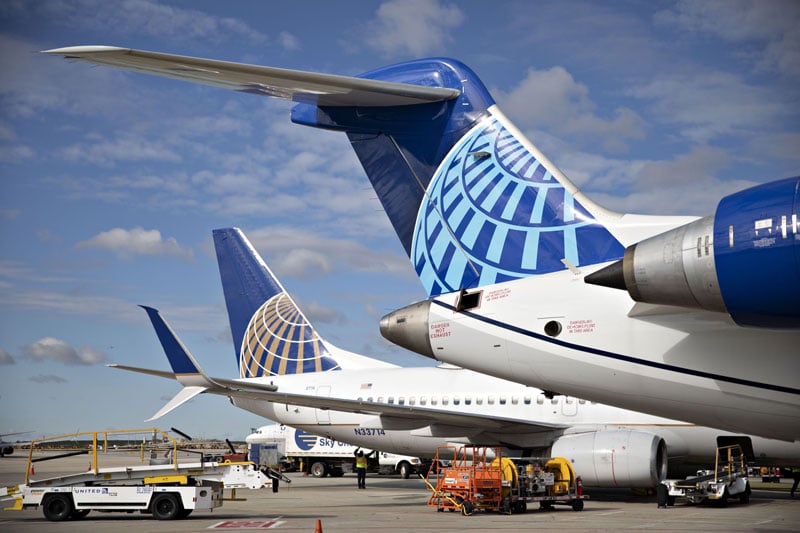
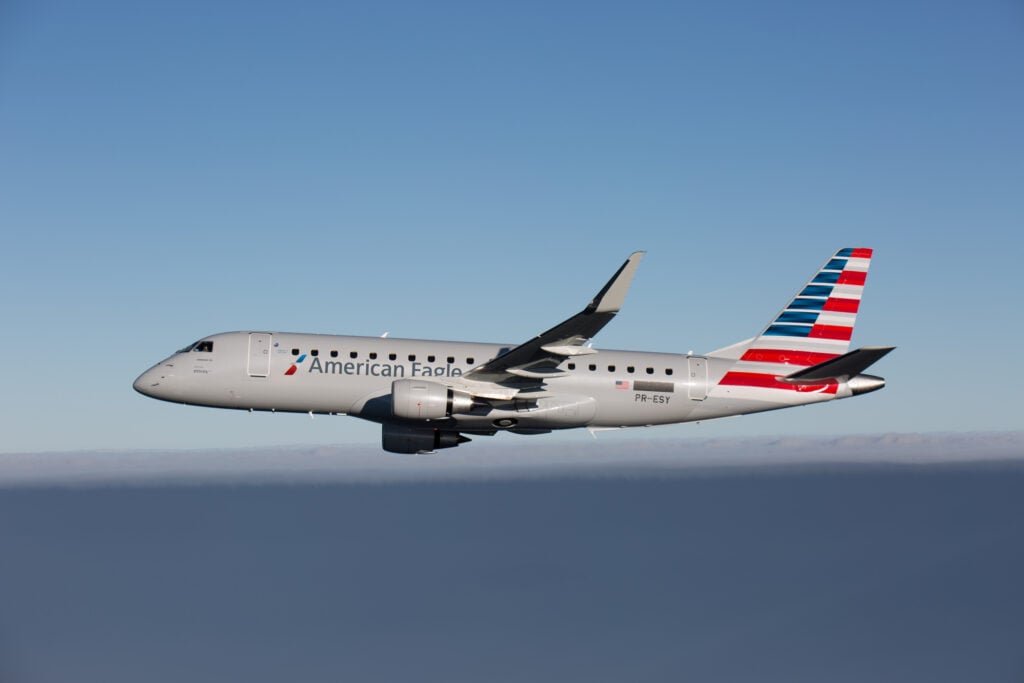
- United Airlines CEO Scott Kirby pitched a massive merger with American Airlines during a high-level White House meeting.
- The proposal aims to create a U.S. national champion airline to better compete against subsidized international carriers.
- Federal regulators would require significant asset divestitures before approving a deal that creates a dominant market leader.
(UNITED STATES) — United Airlines CEO Scott Kirby pitched a merger with American Airlines to the White House, opening a discussion that, as of April 15, 2026, had not developed into a formal merger process.
Kirby raised the idea during a White House meeting on February 25, 2026, a session originally scheduled to discuss the future of Washington Dulles International Airport, or IAD. The proposal quickly drew scrutiny from federal regulators and industry analysts because a combination of the two carriers would reshape the U.S. airline market.
Free toolDS-160 Form Filling Online Helper Tool
Sean Duffy, the U.S. transportation secretary, signaled conditional openness to airline consolidation on April 7, 2026. “Is there room for some mergers in the aviation industry? Yeah, I think there is. If there was a merger between some of the larger airlines, they would have to peel off some of their assets. I am not going to pre-commit to anything. But I’ll certainly look at whatever comes across my desk, and I know the president will look at that as well.”
That leaves the proposal in an early and highly political stage. The Department of Justice would handle antitrust review, while the Department of Transportation would weigh public interest issues and infrastructure allocation tied to any deal.
DHS and USCIS had issued no statements on the merger by April 15, 2026. Their roles sit elsewhere in aviation and travel administration, while merger jurisdiction rests chiefly with DOJ and DOT.
Kirby’s case for a tie-up centered on international competition. He argued that a combined airline could close the “trade deficit” in international travel, saying that while 60% of international passengers are U.S. citizens, two-thirds of long-haul seats are operated by foreign carriers.
Those claims landed in a difficult economic moment for the industry. The U.S.-Israel-Iran conflict pushed jet fuel prices up by over 60%, adding pressure on weaker carriers such as American Airlines.
A merged United-American airline would control about 30% to 40% of the U.S. domestic market. That would cut the “Big Four” of American, Delta, United and Southwest to a “Big Three,” a level of concentration that analysts and regulators would be unlikely to treat lightly.
Antitrust specialists described the hurdles as “tectonic.” The route networks of United Airlines and American overlap in ways that could create dominant fortress hubs in Chicago, Los Angeles and New York/Newark, with ORD, LAX and the New York area facing the sharpest concentration questions.
Any review would unfold across multiple federal lanes. The Department of Transportation would examine the public-interest side, while the Department of Justice Antitrust Division would assess competition concerns, and White House statements would appear through the White House Newsroom.
Supporters of consolidation have framed the idea as a way to build a U.S. “national champion” airline that could compete more aggressively with subsidized state carriers from the Middle East and Asia. That argument also fits with administration themes around global economic competitiveness and trade protectionism.
Travelers face a different set of concerns. Consumer advocates warn that fewer large carriers can mean higher fares, more fees and reduced flight frequencies, especially on routes where a merged airline would hold unusual power.
Labor groups have also started to weigh the possible fallout. The Allied Pilots Association, which represents 16,000 American Airlines pilots, called the idea “intriguing” while also raising concerns about management performance and job security.
Corporate travel buyers have their own worries. A combined carrier with broader network strength and fewer large rivals could weaken their negotiating leverage and lead to less attractive business travel contracts.
No formal filing has started the merger process, and no agency has opened a public approval track. Still, Kirby’s appeal to President Trump placed one of the airline industry’s largest possible combinations inside the White House orbit, where market power, fuel costs, trade policy and route control now sit in the same conversation.
Government data and statements that would shape any next step are spread across several agencies, including the Bureau of Transportation Statistics, which tracks market data that would almost certainly feature in any competition review. Until a formal proposal emerges, the merger remains a pitch, but it is one with consequences large enough to draw federal attention long before any paperwork arrives.