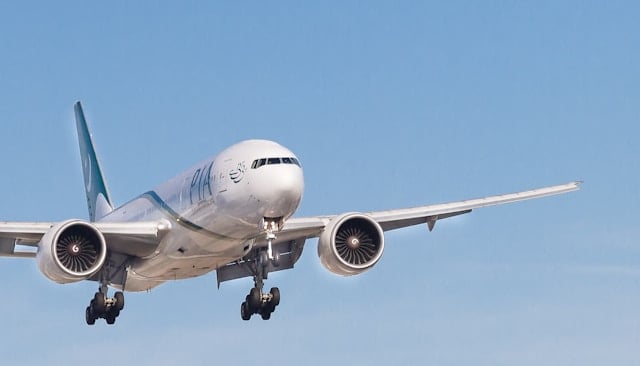
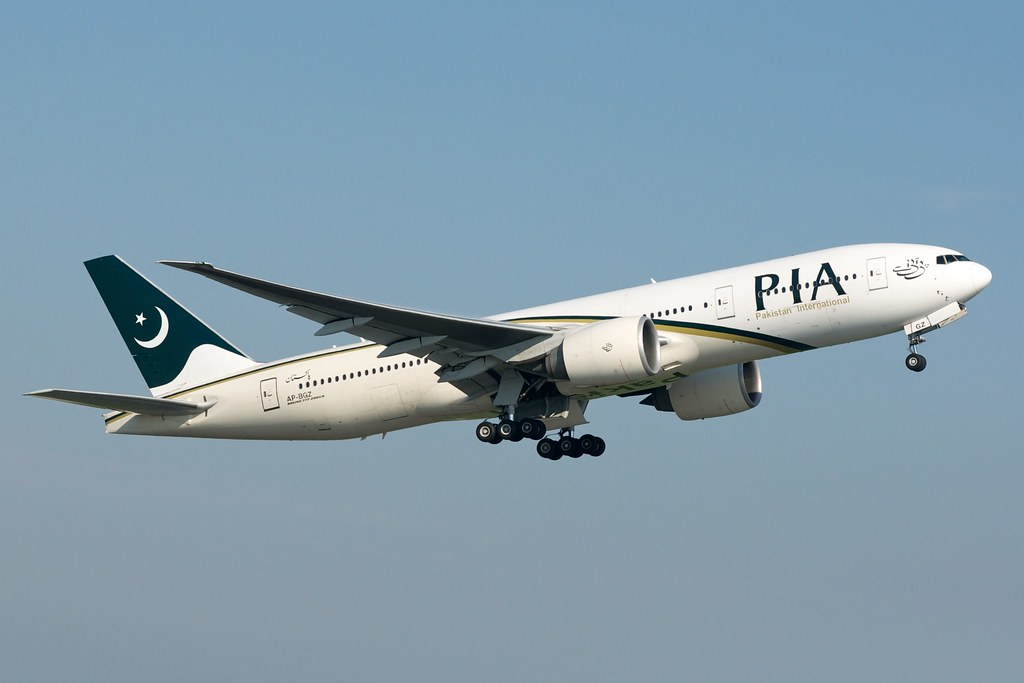
- Pakistan will transfer full operational control of PIA to the Arif Habib Group by April 2026.
- The deal involves a Rs 135 billion bid and includes partners like Fatima Fertilizer.
- The consortium plans to expand the active fleet from 18 to 38 aircraft shortly.
(ISLAMABAD, PAKISTAN) — Pakistan’s government plans to hand over full operational control of Pakistan International Airlines to the Arif Habib Group-led consortium by the end of April 2026, completing a transfer tied to commitments made to the International Monetary Fund on privatizing state-owned enterprises.
The consortium includes Fatima Fertilizer and Lake City Holdings. It secured the bid at Rs 135 billion, while the bidding process concluded at Rs 180 billion overall.
Prime Minister Shehbaz Sharif oversaw the signing of transaction documents in Islamabad. The ceremony was attended by Chief of Army Staff Field Marshal Syed Asim Munir, Deputy Prime Minister Ishaq Dar, and federal ministers, including Privatisation Adviser Muhammad Ali.
The federal cabinet approved the transition after a public, live-streamed bidding process. Operational management transfer is scheduled for April 2026, and the handover is intended to mark a full shift to the consortium.
Sharif linked the sale to a broader effort to revive the airline’s standards. “PIA will reach new heights under the leadership of the Arif Habib Consortium,” he said, while pointing to performance, punctuality, in-flight service and safety, and recalling the carrier’s peak in the 1960s.
Financial commitments sit at the center of the deal. The plan includes a capital injection of more than Rs 125 billion, alongside a fleet expansion from 18 active aircraft to 38 within years.
Those targets come with operational promises. The incoming owners aim to reduce cancellations, improve on-time departures, launch new routes, including direct UK and EU flights, and upgrade cabins.
Pakistan’s privatization push has placed Pakistan International Airlines at the front of a larger policy commitment to the IMF. The transfer of management control by the end of this month is one of the clearest steps yet in shifting a state-run business into private hands.
The structure of the transaction also leaves room for a further reduction in the state’s role. The government may sell its remaining 25% stake in PIA during the handover.
That possibility would take the transfer beyond day-to-day management and closer to a complete ownership shift. Even before any sale of the residual stake, the operational change set for April 2026 gives the consortium direct responsibility for the airline’s performance.
Arif Habib Group enters the process at the head of a consortium assembled around industrial and investment partners. With Fatima Fertilizer and Lake City Holdings included in the winning group, the bid brought together businesses from outside aviation for a transaction that the government has framed as both a commercial sale and a policy obligation.
The price figures show two distinct parts of the process. The consortium secured the bid at Rs 135 billion, while bidding concluded at Rs 180 billion overall, giving the transaction a scale that places it among the more closely watched privatization efforts in Pakistan.
Officials have cast the airline’s turnaround in practical terms rather than as a symbolic exercise. Sharif’s public emphasis on punctuality, in-flight service and safety sets the standard by which the handover is likely to be judged once the consortium assumes control.
The fleet plan offers the clearest test of whether those goals can be met. Expanding from 18 active aircraft to 38 would reshape scheduling capacity, route planning and the airline’s ability to cut cancellations and keep departures on time.
Direct UK and EU flights are part of that expansion strategy. So are cabin upgrades, which place passenger service alongside operational reliability in the list of stated priorities for the airline after the transfer.
The public, live-streamed bidding process gave the transaction a visibility that few state asset sales receive. Cabinet approval after that process, followed by the signing ceremony led by Sharif, gave the government formal and political ownership of the plan at the highest level.
The list of attendees underlined that point. Field Marshal Syed Asim Munir, Ishaq Dar and Muhammad Ali joined the event in Islamabad as the government moved from bidding to documentation and, now, toward the final operational handover.
Sharif’s reference to Pakistan International Airlines in its 1960s peak years sets an ambitious benchmark, but the terms laid out by the government remain rooted in measurable outcomes: more capital, more aircraft, fewer cancellations, tighter departure times, new long-haul routes, better cabins and improved safety.
By the end of April 2026, if the schedule holds, those promises will no longer sit on transaction papers alone. They will move with control of Pakistan International Airlines to the Arif Habib Group-led consortium, with the government still weighing whether to part with its last 25% stake.