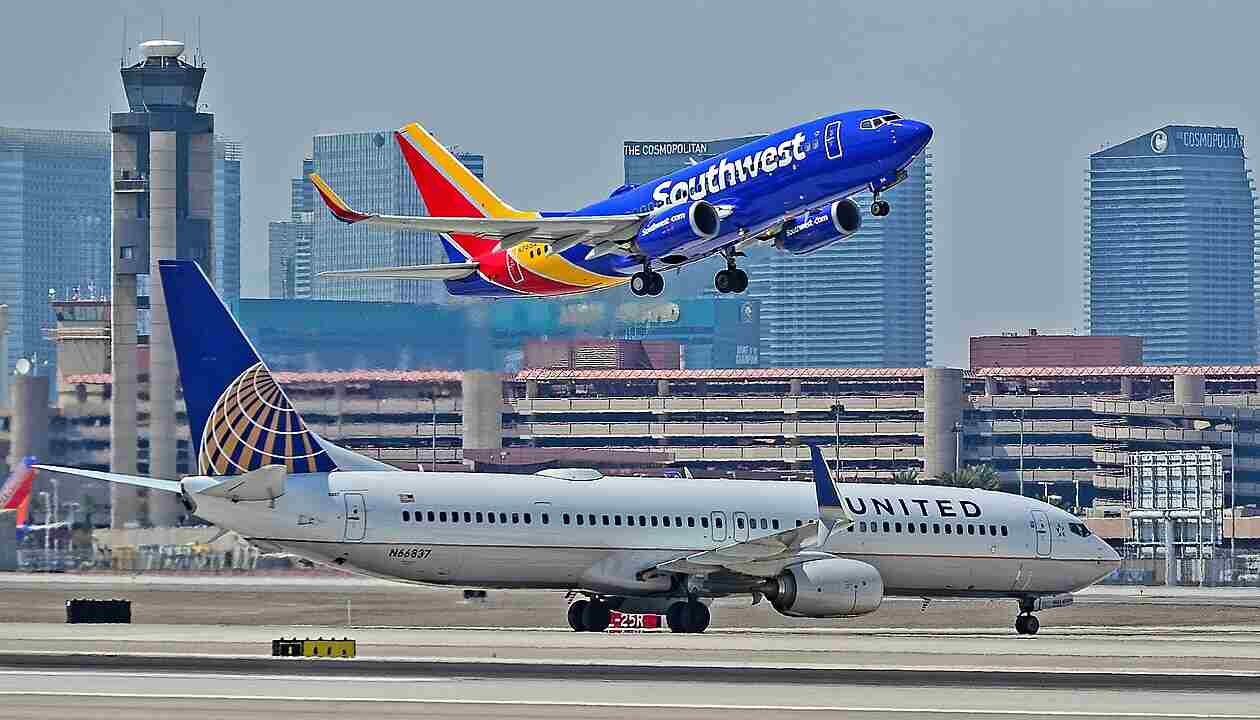
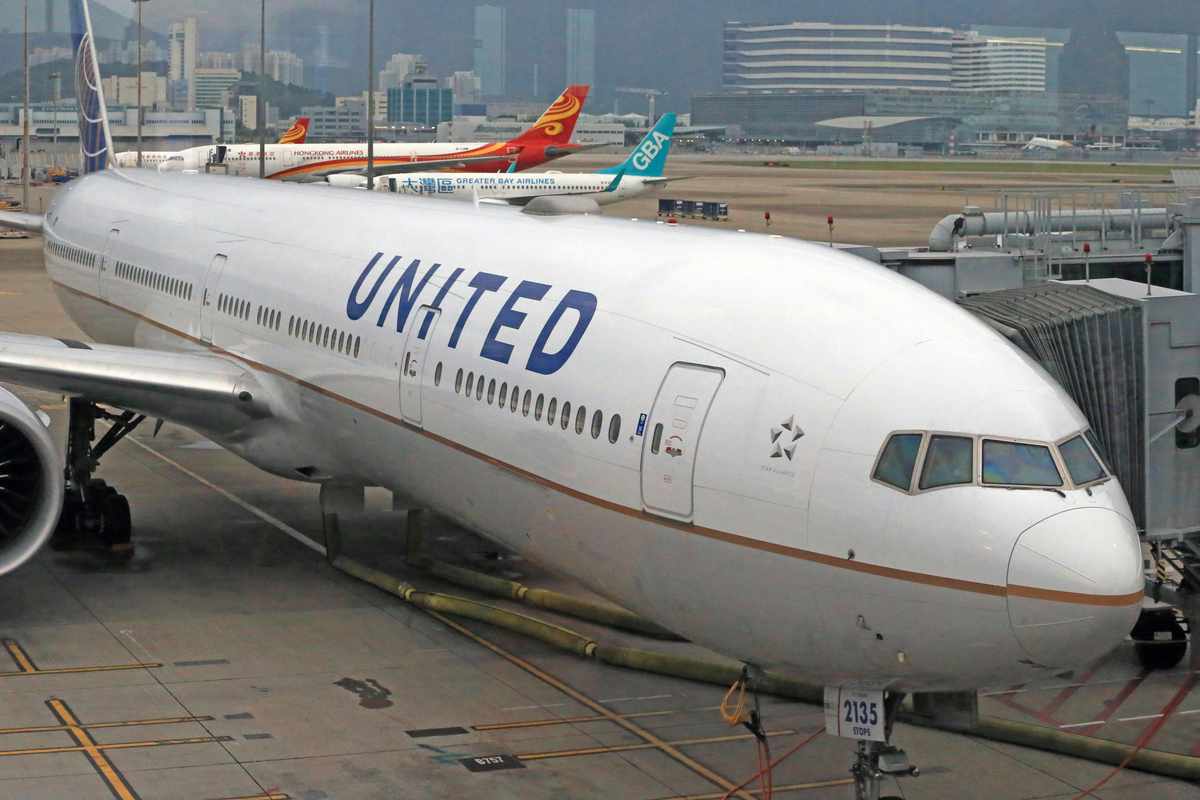
- United Airlines increased baggage fees to $45-$50 and introduced unbundled Basic fares in premium cabins.
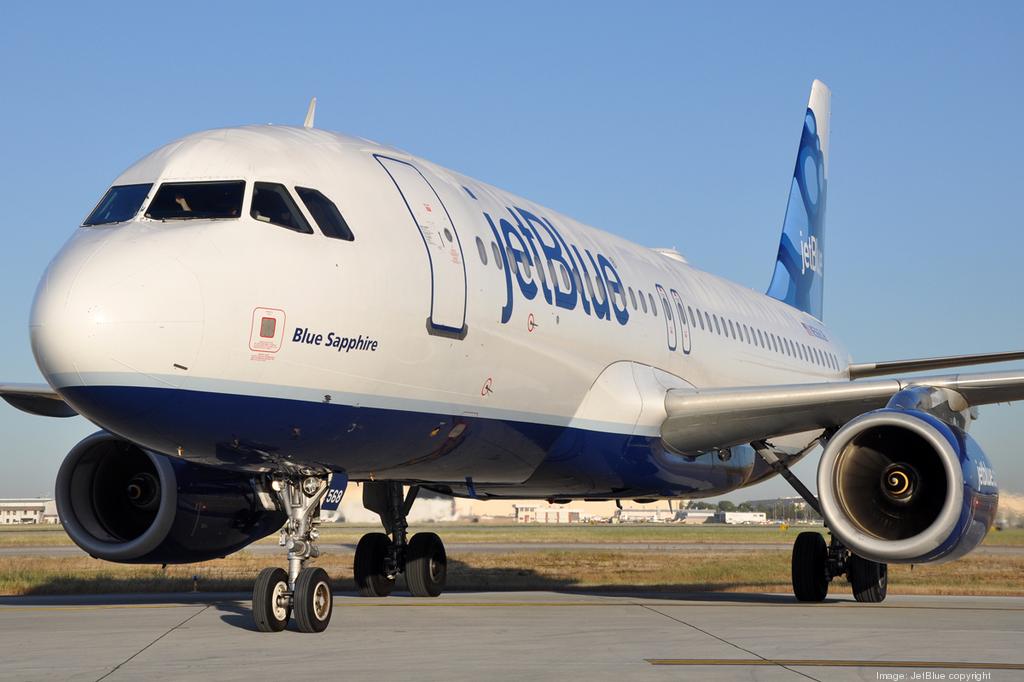
- JetBlue and Delta raised pricing tiers as carriers face mounting financial strain and rising fuel costs.
- California, Florida, and Georgia prepare for 2026 tourism surges driven by the FIFA World Cup.
(UNITED STATES) — United Airlines raised fares and baggage fees in the first quarter of 2026, adding new Basic fares in premium cabins as carriers across the United States rewrote pricing and travel officials in California, Florida and Georgia prepared for a year of pressure on tourism systems.
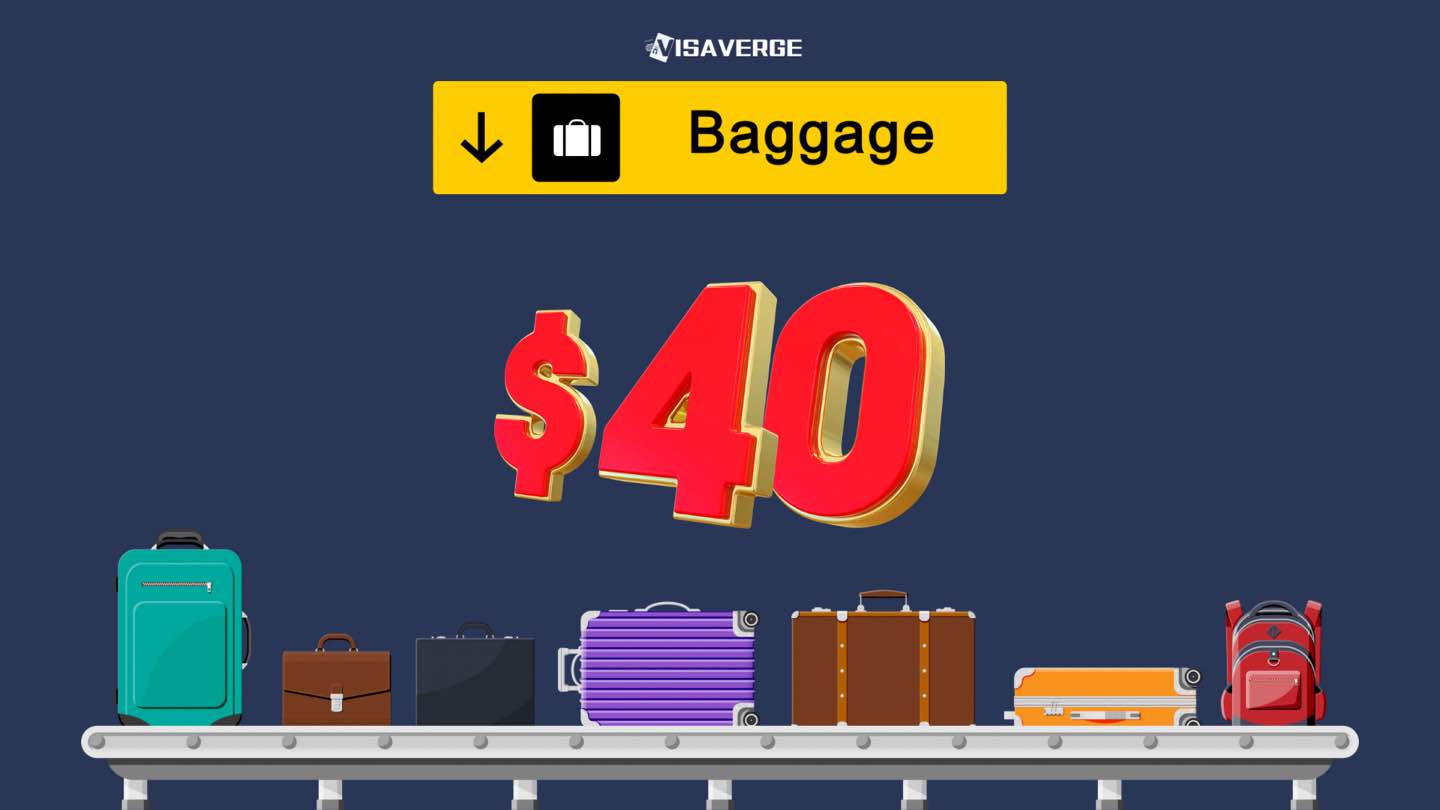
The carrier lifted its lowest pre-paid checked bag fee from $35 to $45. Passengers who pay within 24 hours of travel now pay $50 for a first checked bag, while second checked bags rose by $10 and third checked bags and beyond climbed from $150 to $200.
Free toolB1/B2 Tourist Visa Stay Calculator online
United also introduced Basic fares in premium cabins. Those tickets include United Club lounge access rather than Polaris lounge access, a change that split lower-priced premium travel from the carrier’s traditional top-end offering.
JetBlue also raised its base-level bag fees, increasing the lowest rate from $35 to $39. Delta has begun offering “basic” versions of its extra-legroom “Comfort” tickets, widening a pricing model that once sat mostly in the economy cabin and now reaches further into higher-fare categories.
Industry observers described the direction of travel in blunt terms, saying bag fees continue “to spiral higher and higher with seemingly no end.” Investment analysts are sharply downgrading their 2026 revenue forecasts for U.S. airlines ahead of the earnings season, a sign that the pricing changes are landing as carriers face broader financial strain.
Rising fuel costs drove United’s first-quarter changes. The increases also arrived as airlines looked for more ways to charge separately for parts of the trip that many travelers once treated as included, especially checked luggage, airport timing and premium access.
That pricing shift is unfolding alongside a wider reset in the travel economy. California entered 2026 after a difficult 2025, when travel spending from Canada fell by about 18-19% amid trade tensions and tariff disputes, cutting into one of the state’s most reliable international visitor markets.
Even with that decline, California remained one of the country’s largest tourism engines. Travel spending in the state reached $157.3 billion in 2024 and supported about 1.2 million jobs, figures that kept California near the center of U.S. tourism planning even as officials confronted weaker cross-border demand.
Los Angeles is projected to generate $800 million to $900 million in economic impact during the FIFA World Cup 2026. California expects to receive 15-18 million international visitors annually, placing added weight on airports, roads, hotels and visitor services at a moment when airline pricing has become less predictable for travelers.
Florida and Georgia, by contrast, are positioned for growth during the World Cup period. Florida receives 8-10 million international visitors annually, and tourism spending is expected to rise by 20% or more during the event, while Miami International Airport handles more than 50 million passengers a year.
Miami also faces a building surge. The city is projected to open about 1,954 hotel rooms in 2026, with vertical mixed-use development adding density along visitor routes and tighter curb access rules reshaping how travelers move through airport and hotel corridors.
Georgia is preparing for a similar influx through Atlanta’s role as an air hub. Hartsfield-Jackson International Airport handles more than 100 million passengers annually, and the state is projected to capture between $500 million and $1 billion in economic impact during the World Cup, drawing on Atlanta’s convention base and hospitality network.
Federal and state governments are coordinating tourism strategies across several fronts, including international marketing through federal trade platforms, visitor facilitation through streamlined visa processing and modernized airport experiences, and infrastructure upgrades for highways, ports and airports. The effort suggests travel officials are trying to shape the visitor journey well beyond ticket sales and airline schedules.
Florida has overhauled its tourism framework to redirect local tourist development tax revenue into statewide marketing. That created a more centralized system aligned with federal travel branding priorities, linking local spending more directly to national campaigns as states compete for international travelers.
Hotel development is also straining some destinations. Orlando is projected to open about 1,988 hotel rooms in 2026, adding to a heavily developed corridor near International Drive and theme park access routes, where new inventory has expanded even as transportation and curbside space remain finite.
New York City, Phoenix, Dallas and Orlando are among the destinations described as feeling “physically maxed out,” with room growth and taller projects raising built intensity in visitor cores. That phrase captures a practical limit facing parts of the U.S. tourism business: more rooms, more passengers and more event traffic do not automatically produce easier movement through airports, streets and hotel districts.
Airlines are responding to that crowded environment with finer-grained pricing. United Airlines, JetBlue and Delta are not simply charging more; they are breaking products into smaller pieces, from Basic fares in premium cabins to higher baggage fees and reduced lounge access, so a lower headline fare can sit beside a longer list of added charges.
The result is a travel market in which ticket classes, lounge entry and checked bags now shift more sharply by timing and product tier. A first bag bought early on United costs $45; the same bag bought within 24 hours of departure costs $50.
Those differences matter as states count on large visitor flows tied to global events and international marketing. California is trying to recover from weaker Canadian spending, while Florida and Georgia are building around projections tied to the World Cup, airport traffic and hotel supply.
Across that mix, the airline seat has become one more variable in a tourism system already dealing with trade tensions, construction pressure and crowded visitor corridors. Carriers are charging more to fly and to bring a bag; states are spending more to attract travelers and move them through the system once they arrive.